
Asbestos and Lead Paint in Older Homes
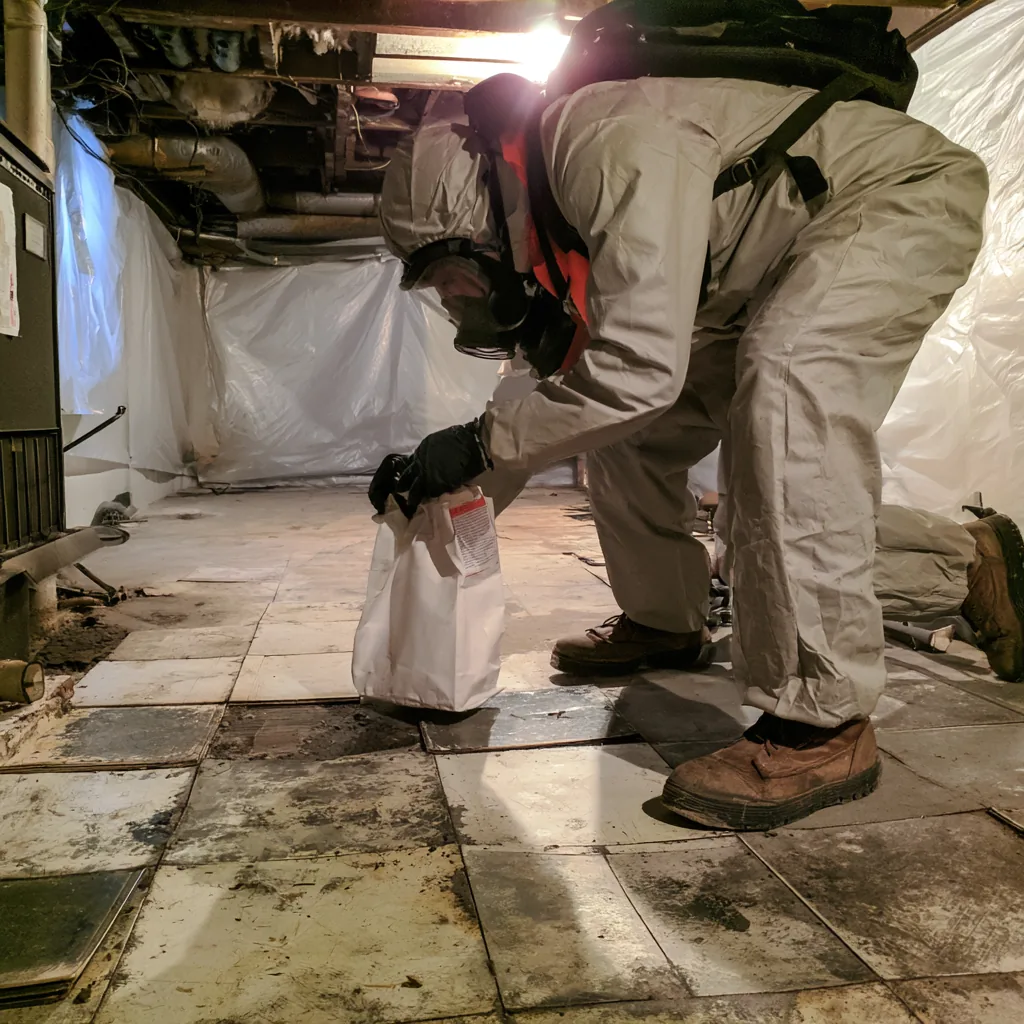
If your house was built before the 1980s, there is a real chance some of its materials contain asbestos or lead paint. That is not a reason to panic, and it is usually not a reason to cancel a remodel. It is a reason to test before demolition, because the rules, the costs, and the schedule all change once those materials are confirmed.
This article covers where these materials tend to hide, what the regulations require, and how to plan around them so they do not stall a project halfway through.
Where asbestos shows up
Asbestos was used in building materials for decades because it was cheap, durable, and fire resistant. In homes, the usual suspects include:
Old resilient floor tile, especially 9-inch square tiles, and the black mastic glue under them. Textured "popcorn" ceilings and some wall textures. Joint compound and some plasters. Insulation wrap on old heating pipes and ducts. Vermiculite attic insulation, the loose gray-brown granular kind. Some cement siding, roofing, and window glazing compounds.
Asbestos is mostly a hazard when it is disturbed. A floor tile sitting intact under carpet is not doing much. The same tile being broken up with a scraper during a kitchen remodel is a different story. That is why testing matters before work starts, not after.
Vermiculite deserves a specific mention. If your attic has it and you are planning to add insulation, the testing and removal question comes first. We cover insulation planning in more detail in insulation upgrades during a remodel.
What Colorado requires for asbestos
Colorado regulates asbestos through the state health department, and the rules apply to single-family homes, not just commercial buildings. Before a renovation or demolition that will disturb more than certain trigger amounts of material, an inspection by a state-certified asbestos building inspector is required. The trigger levels are 50 linear feet of material on pipes, 32 square feet on other surfaces, or the volume of a 55-gallon drum.
Those thresholds are smaller than most people expect. Taking out a kitchen floor, a section of ceiling, or a wall of plaster can easily exceed 32 square feet.
If testing confirms asbestos above the trigger levels, removal has to be done by properly certified abatement workers, a state permit and fee are required, and there is a notification period of 10 working days before abatement can begin. All asbestos-containing waste has to go to an approved disposal site, regardless of quantity.
Local building departments also tie into this. Many will not issue a demolition or remodel permit without documentation that the asbestos question has been addressed. Our overview of remodel permits covers how this fits into the permit process.
What the rules say about lead paint
Lead paint is common in homes built before 1978, when it was banned for residential use. Federal rules require contractors who disturb painted surfaces in pre-1978 homes to be certified for lead-safe work and to follow specific practices: containment, dust control, specialized cleanup, and verification. The rule applies when work disturbs more than about 6 square feet of painted surface per room inside or 20 square feet outside, and it applies to window replacement regardless of size.
In practice, lead-safe work adds time and cost to demolition and prep, but it is manageable. The bigger risk is a contractor who skips it. Lead dust from sanding or demolition settles in a house and is a serious hazard, especially for young children and pregnant family members.
What testing and abatement cost
An asbestos inspection for a typical remodel scope usually costs a few hundred dollars and can run higher for large homes or many samples. Lab results generally come back in days, faster if you pay for a rush.
Abatement costs vary widely with the material and quantity. Removing a small area of flooring or pipe wrap might cost a couple thousand dollars. Removing popcorn ceilings throughout a house or vermiculite from an attic costs considerably more, because of containment, air monitoring, and disposal requirements.
Lead-safe practices usually show up as added labor in the demolition and prep phases rather than a separate line item. Full lead abatement is a different, more intensive process and is usually only required in specific circumstances.
How to plan around it
Test before you finalize the budget. If testing happens after demolition starts, abatement becomes an emergency, the project stops for at least two weeks with the notification period, and the cost arrives as a change order. We explain why hidden conditions are the most common source of change orders in how change orders actually work.
Sequence abatement first. Abatement should happen before other trades start, with the area cleared and tested before demolition continues.
Plan for the other old-house findings. Houses old enough to have asbestos and lead often have original wiring and plumbing that needs attention too. Our article on knob and tube wiring covers the electrical side, and our guide to historic home renovation looks at how these issues stack up in older houses.
What a testing visit looks like
An asbestos inspection for a remodel focuses on the materials that the planned work will disturb. The inspector walks the areas in the project scope, identifies suspect materials, and takes small samples of each: a square of floor tile and mastic, a bit of ceiling texture, a piece of pipe wrap, a sample of drywall and joint compound. Each sample goes to an accredited lab.
The visit is usually quick, often an hour or two for a typical kitchen, bathroom, or basement scope. The result is a report that lists each material, whether it contains asbestos, and how much of it is in the work area. That report is what the building department, the abatement contractor, and your general contractor use to plan next steps.
For lead, many contractors test painted surfaces in the work area with approved test kits or work on the assumption that paint in a pre-1978 home contains lead and follow lead-safe practices regardless. A more detailed lead inspection by a certified inspector is also available and is worth considering in homes with young children.
If the scope of the remodel grows after testing, the new areas may need to be tested too. It is worth scoping the inspection to the full project, not just the first phase.
Common mistakes
The most common mistake is assuming a material is fine because it looks newer. Many houses have been remodeled in layers, and a 1990s floor can sit on top of 1960s tile and mastic.
The second is homeowners doing their own demolition to save money before the contractor arrives. Scraping a popcorn ceiling or pulling up old tile without testing can spread contamination through the house and create a much larger cleanup.
The third is choosing a contractor who does not mention testing or lead-safe practices at all on a pre-1980 house. That is a signal about how the rest of the job will be run.
What this means for your project
If your house predates the 1980s and your remodel involves demolition, budget for testing up front and assume some abatement is possible. Test early, build the notification period into the schedule if abatement is needed, and hire contractors who handle lead-safe work as a standard part of older-home projects.
Denver Dream Builders works on many pre-war and mid-century homes and builds testing and abatement into the project plan from the start. If you are planning a remodel in an older house, our general contracting team can help you sequence it so these issues do not stop the job halfway through.