
Convert Underused Areas Into Functional Living Space
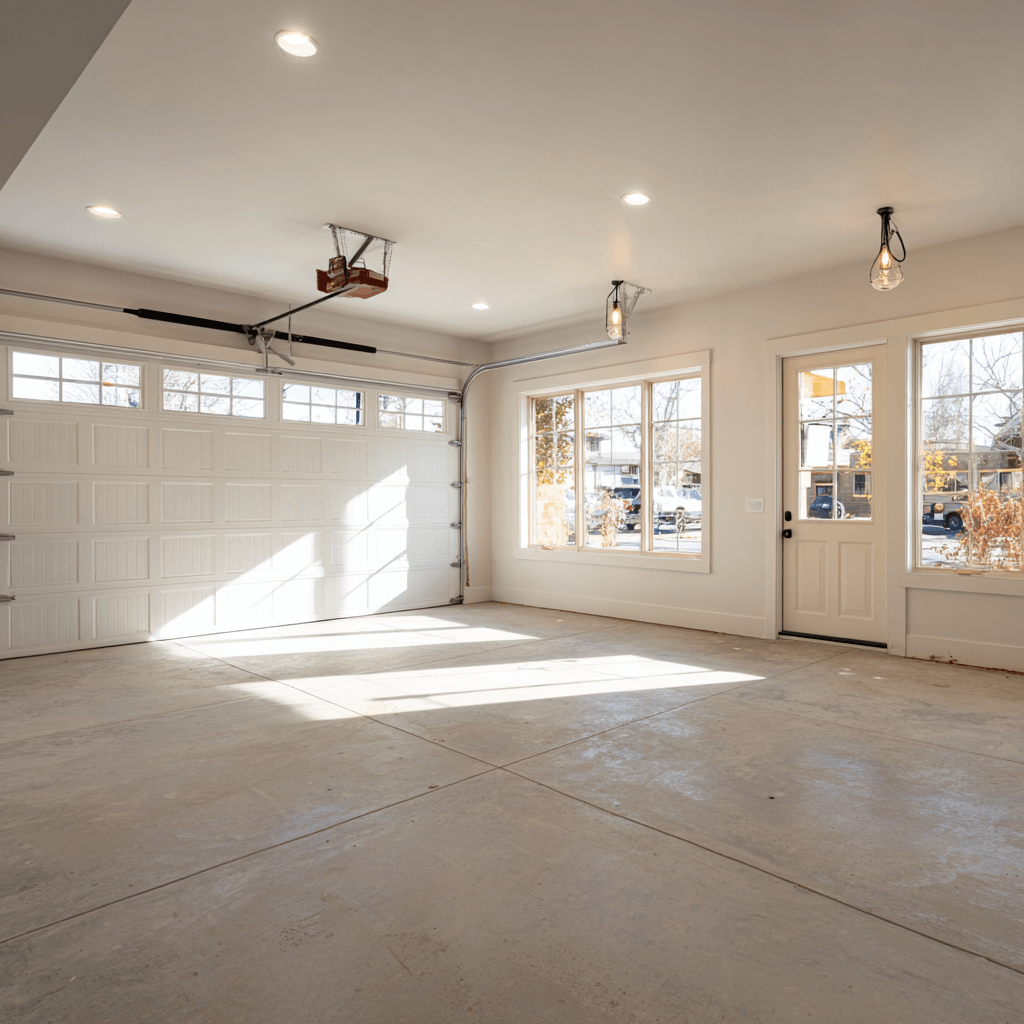
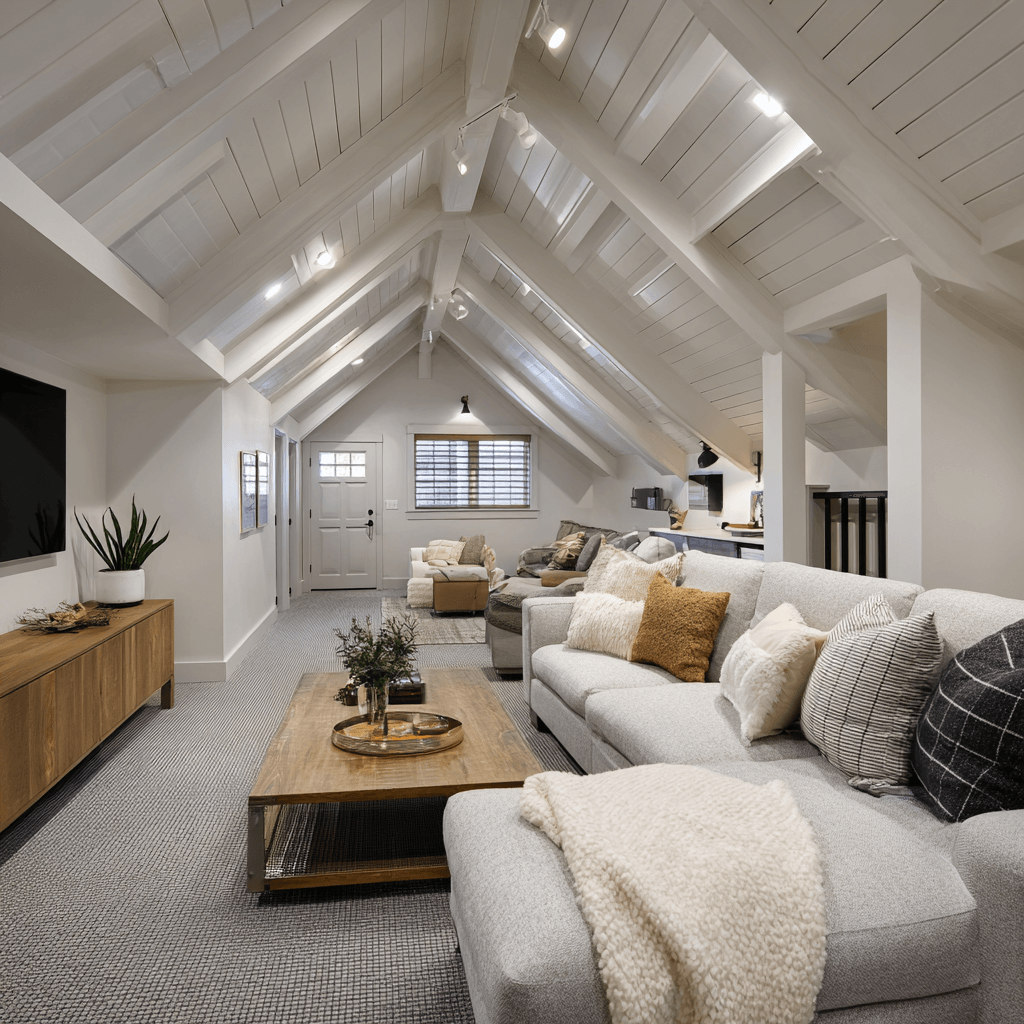
Denver Dream Builders helps homeowners convert these underused areas into functional, code-compliant living space. That can mean finished rooms, better flow, added utility, or reworking structure so the home works better as a whole.
Thoughtful Planning Before a Conversion Begins
Conversions work best when the details are understood early. We start by evaluating the existing space—structure, access, ceiling height, utilities, and code requirements—before any decisions are locked in.
This upfront planning helps set realistic expectations, avoid surprises during construction, and make sure the finished space actually works for how you plan to use it.
Code and permit requirements specific to the space
Layout options that improve function and flow
Clear scope, budget range, and timeline expectations
Built for the Realities of Existing Homes
Conversions often involve more than finishes. Structural changes, insulation, moisture control, egress, and mechanical systems all need to be handled correctly.
Our team brings decades of experience working in Denver homes, coordinating every trade so converted spaces are safe, comfortable, and built to last.


Square Footage
Conversion FAQs
We've done our best to provide you answers to the most searched questions surrounding general contracting in Denver, and surrounding areas.
Conversion involves transforming underused space, like an attic, garage, or basement into a livable room. In Denver, these projects are a smart way to add square footage without expanding the home’s footprint. It's also a great way to increase the value of your home with usable living space added to the square-footage!
With rising housing costs and limited lot space, homeowners in Denver are turning inward, maximizing what they already have instead of building out. Conversions are often faster and more cost-effective than full additions.
Attics, basements, garages, sunrooms, and even large closets or utility rooms can be converted. Each has its own zoning and structural considerations. But honestly, that's not all. We've even been asked to convert train cars and more! So if you have an idea, let's check it out and spitball some ideas about what can be done with the space you have in mind.
Yes, well-executed conversions typically increase resale value and appeal, especially in Denver’s competitive market. But value also depends on layout, permitting, and finish quality.
Most conversions take 6–12 weeks once construction begins, depending on the space and scope. Planning and permitting can add a few weeks up front.
Often, yes. Since you’re working within the home’s existing structure, you can skip foundation work and exterior framing, two of the costliest parts of new construction.
Remodels update existing spaces (like kitchens or bathrooms), while conversions create new usable rooms out of non-living space, like turning an attic into a bedroom or a garage into a studio. We've got a pretty helpful article up about this topic. Check it out to learn more here.
Still have questions?
Just reach out or ask for a quick quote!
Prices vary widely, but expect $150–$350 per square foot depending on the space, materials, and required structural work. Garages and basements tend to be more affordable than attics.
Attics usually need floor reinforcement, insulation, HVAC expansion, and stair access; all of which increase labor and materials.
Good planning matters most. Keep the layout simple, minimize plumbing changes, and work with a contractor like Denver Dream Builders who can help prioritize function over finish trends.
In many cases, yes. A well-done conversion can transform a liability, like an unheated garage or cold basement, into a high-functioning, valuable asset.
Yes, many Denver homeowners use home equity loans, HELOCs, or renovation-specific mortgages. Lenders typically look at projected value increases.
If done correctly, yes, especially in hot Denver neighborhoods where every square foot counts. But the return depends on design quality, permits, and buyer expectations.
Common surprises include electrical upgrades, code-required insulation, and unexpected structural repairs. We always recommend a contingency buffer of 10–15%.
Still have questions?
Just reach out or ask for a quick quote!
Yes. The City and County of Denver requires building permits for all conversions that involve changes to structure, electrical, plumbing, or HVAC systems.
Pan for 2–6 weeks in most cases. The timeline depends on your project’s complexity and whether your home is in a historic district or overlay zone.
You’ll likely need to bring it up to code, especially around egress, insulation, and fire safety. DDB handles code review and compliance during the design phase.
Yes, especially for detached garages or accessory buildings. Each neighborhood has setback, size, and use requirements. We’ll help you check your lot’s zoning before starting.
Typically, framing, electrical, plumbing, HVAC, insulation, and final inspections. DDB schedules and coordinates all required inspections for a smooth process.
Possibly. Older homes may need upgraded electrical panels, sub-panels, or plumbing lines to support new usage. We evaluate this during our walkthrough
Yes, but there may be additional review steps. Historic or landmark homes require approval from the Denver Landmark Preservation Commission before work can begin.
Still have questions?
Just reach out or ask for a quick quote!
Home offices, guest suites, in-law apartments, rental studios, home gyms, and creative workspaces are all popular among Denver homeowners.
It starts with insulation, flooring, and light. We match trim, window style, and finishes to the rest of your home so it feels cohesive, not like an afterthought.
You can either tie into your home’s HVAC system or use ductless mini-splits for efficient, zoned climate control. It depends on the space and your energy goals.
Absolutely. With good lighting, egress windows, and thoughtful layout, we’ve made plenty of Denver basements feel just as welcoming as the rest of the home.
Yes, especially basement or garage conversions with private entrances and bathrooms. It provides proximity without sacrificing privacy. We say yes due to giving the a great living space. You'll need to take into account their ability to get up and down stairs though. Sometimes conversions on the ground level work better for aging family members. Just comes down to how well they're doing physically.
Vaulted ceilings (in attics), open layouts, and well-placed storage make a big difference. Mirrors and natural light also help smaller rooms feel more spacious.
You can, but short-term rentals require a primary residence designation and city licensing. Long-term rentals are simpler but still must meet housing codes.
Still have questions?
Just reach out or ask for a quick quote!