
When to Replace Cast Iron Drain Pipes
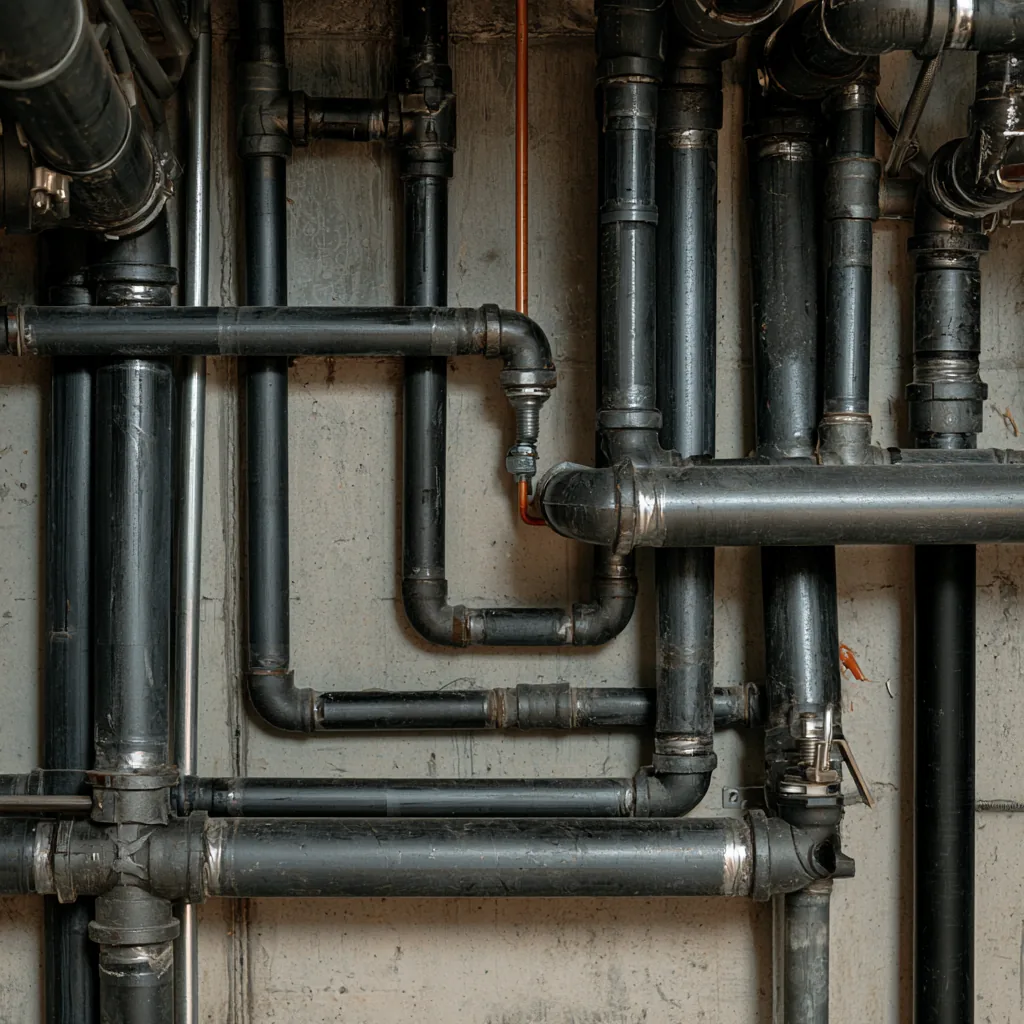
Most houses built before the 1970s were plumbed with cast iron drain lines. Cast iron is heavy, quiet, and durable, and plenty of it is still working decades later. But it does not last forever, and when it starts failing, it usually fails inside walls, under floors, and below concrete slabs, where nobody sees it until there is a leak or a backup.
This article covers how cast iron drains fail, the signs to watch for, the repair and replacement options, and how to plan the work around a remodel.
How cast iron fails
Cast iron drains corrode from the inside. Decades of wastewater, cleaning chemicals, and scale wear the interior surface, and the bottom of horizontal pipes takes the worst of it because water and debris run along it constantly. Over time the pipe can develop a long crack or an open channel along the bottom, sometimes called channel rot, while the top of the pipe still looks solid.
Other common failure points are the joints, where old lead-and-oakum or early rubber connections loosen, and the transitions where cast iron meets newer plastic pipe from earlier repairs.
How long cast iron lasts varies a lot with water chemistry, usage, and installation quality. Some original systems are fine after many decades. Others fail much sooner. Age alone does not tell you the condition. A camera inspection does.
Warning signs
Slow drains on multiple fixtures, especially on lower floors. Recurring clogs in the same line even after it has been cleared. Sewer smells in a basement or around a floor drain. Rust stains or damp spots on walls or ceilings below bathrooms. Visible flaking or weeping on exposed pipe in a basement or crawlspace. Wet spots or settling in a basement slab.
Any of these is a reason to have the drain lines scoped with a camera. A drain camera inspection is relatively inexpensive and shows the actual interior condition: scale, cracks, root intrusion, and channel rot.
Repair, replace, or line
Spot repair. If a camera shows one bad section in an accessible location, a plumber can cut it out and splice in new pipe with transition couplings. This is the least expensive fix, but it does not change the condition of the rest of the system.
Section or full replacement. Replacing the main stack, or all of the horizontal drains in a basement, with modern plastic drain pipe addresses the whole system at once. It requires opening walls, ceilings, or floors to reach the pipe, and the patching is often a meaningful share of the cost.
Pipe lining. For runs that are hard to reach, especially under slabs, some contractors can install a resin liner inside the existing pipe to form a new pipe within the old one. Lining avoids most demolition, but it depends on the existing pipe being intact enough to line, and not every line is a candidate.
What drives the cost
Access is the biggest factor. A short section of exposed pipe in an unfinished basement can cost a few hundred to a couple thousand dollars to replace. Replacing a main stack that runs through finished walls and ceilings in a two-story house is a much larger job, commonly reaching into five figures once wall and ceiling repair is included. Drains under a concrete slab require cutting and removing concrete, excavating, replacing the pipe, and pouring new concrete, and are often the most expensive part of the system to replace.
Other factors include the number of fixtures connected, whether old pipe insulation or other materials need testing before they are disturbed, and whether the work requires a permit and inspection, which drain replacement generally does. In older homes, materials around old pipes sometimes need asbestos testing before removal, which we cover in asbestos and lead paint in older homes.
Why a remodel is the right time
The most expensive way to replace cast iron is twice: once by cutting into a finished space, and again by repairing that finished space. The cheapest way is while the walls, ceilings, or floors are already open.
If you are finishing a basement, scope the drains first. The main building drain and the basement stack usually run right where the new walls and floors will go, and replacing them before finishes go in costs a fraction of replacing them after. Our breakdown of basement finishing costs shows how plumbing fits into that budget.
The same logic applies when adding a bathroom in the basement, which involves cutting the slab anyway, as covered in our article on adding a basement bathroom. And if the basement floor is being lowered, every under-slab drain is being replaced regardless, which is one reason dig-outs often solve several problems at once, as we explain in basement dig-outs.
What a camera inspection tells you
A drain camera inspection runs a small waterproof camera on a flexible cable through the drain lines from a cleanout or fixture. The plumber watches the feed in real time and can usually record it, which is worth asking for. A camera inspection commonly costs a few hundred dollars, often less if it is done alongside other plumbing work.
The footage shows scale buildup narrowing the pipe, cracks and holes, separated joints, sections where the bottom of the pipe has eroded, root intrusion at joints, and bellies where the line has settled and holds water. Many cameras include a locator that lets the plumber mark the exact spot on the floor or wall above a problem, which turns a vague repair into a specific one.
The inspection also shows what is not wrong. If a line is scaled but structurally sound, cleaning and descaling may restore flow without replacement. That is a much smaller bill, and it is information you only get by looking.
For remodel planning, ask the plumber to scope every line that runs through the area being remodeled, plus the main building drain, rather than only the line that is giving trouble today.
If the camera shows the system is in good shape, keep the recording. It is useful documentation for future buyers and a baseline to compare against if problems appear later.
Common mistakes
The most common mistake is finishing a basement over failing drains. Once flooring, framing, and drywall are in, a drain failure becomes a demolition project.
The second is repeated spot repairs on a system that is failing everywhere. If the camera shows widespread scale and cracking, patching one section at a time usually costs more over a few years than replacing the run.
The third is ignoring the connection to the sewer line. A house with original interior cast iron often has an original building sewer outside too. Scoping both at once gives a complete picture.
What this means for your project
If your house has original cast iron drains and you are planning a remodel that opens walls or floors, have the lines scoped before design is final. Replace what is failing while you have access, and decide on lining only for runs where replacement would mean major demolition.
Denver Dream Builders scopes the plumbing in older homes as part of planning basement finishes, bathroom remodels, and whole-home renovations. If you suspect your drains are on borrowed time, our basement remodeling team can help you sort out what needs replacing before the finishes go in.