
Master Bathroom Layouts for Denver Homes
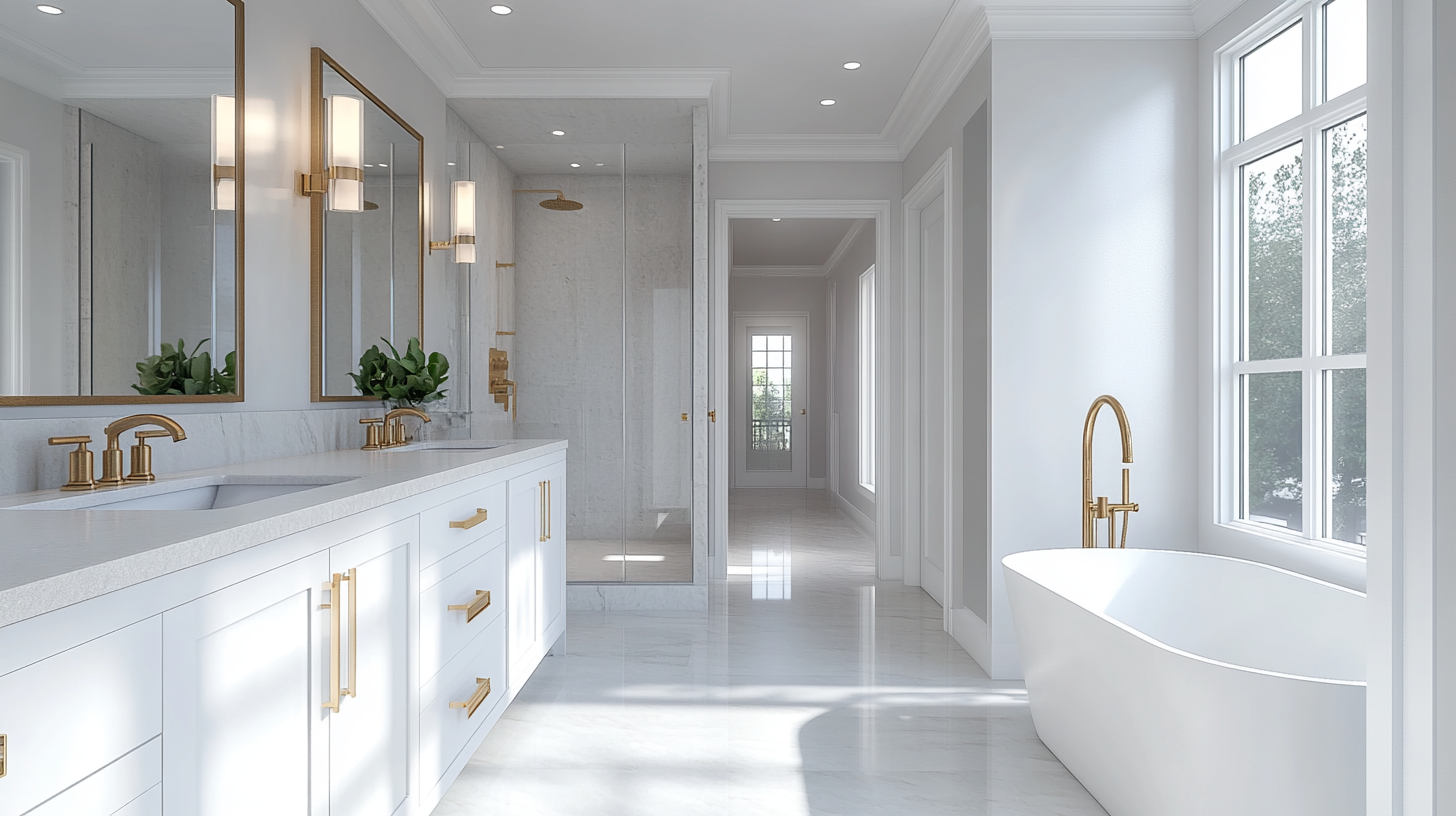
Master bathroom layout is one of the few decisions in a remodel that is genuinely hard to undo. The plumbing rough-in, the wall framing, and the wet zone locations get fixed early, and changing any of them later means demolition, new permits, and a meaningful jump in cost. The trick is getting the layout right at the design stage, which means thinking through how you actually use the space before the cabinet order goes in.
This article covers the three master bathroom layouts that work in most Denver homes, the trade-offs each one makes, the wet-zone and circulation rules that shape the options, and the secondary choices (vanity height, water closet placement, lighting) that affect how the layout actually feels day to day. By the end you should know which configuration fits your space and how to think about the details that come next.
The three master bathroom layouts that work
The single-wet-wall layout: Everything (tub, shower, toilet, sink) on one side of the room. Cheapest plumbing, easiest to build.
The split-vanity layout: Two vanities flanking the entry, wet zones (tub, shower, toilet) on the far wall.
The compartmentalized layout: Toilet in its own closet, separate tub and shower, double vanity in the main area.
The single-wet-wall layout
The single-wet-wall layout puts all plumbing on one wall. The tub or shower, the toilet, and the vanity sit along the same plane, sharing the same supply and drain runs. This is the cheapest configuration to build, because it minimizes the plumbing changes during the remodel, and it works well for bathrooms in the 8 by 10 to 9 by 12 foot range that are common in mid-century Denver ranches and 1990s-era homes.
The trade-off is visual interest and circulation. With everything on one wall, the room reads as a corridor: you walk in, you face the vanity, and the wet area is to your side. There is not much room for a freestanding tub or a double vanity, and the layout works only if the door is positioned correctly relative to the wet wall.
Where this layout makes sense: smaller master bathrooms (under 100 square feet), budget-conscious remodels, and bathrooms in homes where moving plumbing would require opening a finished ceiling below.
The split-vanity layout
The split-vanity layout puts two vanities on opposite walls flanking the bathroom entry, with the tub and shower (and often a toilet enclosure) on the far wall. This is the most common master bathroom layout in newer Denver homes (post-2000 construction) and the layout that most home design magazines feature.
The advantage is that two adults can use the bathroom simultaneously without competing for vanity space, the wet area can be more elaborate (separate tub and walk-in shower), and the room has visual symmetry from the door. The trade-off is that the layout requires more floor area (at least 10 by 12 feet, ideally 11 by 14), and the plumbing rough-in is more complex because the wet wall is across the room from the entry.
Where this layout makes sense: master bathrooms over 110 square feet, two-adult households, and homes where the budget supports the additional plumbing complexity.
The compartmentalized layout
The compartmentalized layout separates functions into discrete zones: the toilet in its own water closet with a door, the shower in its own enclosure, the tub freestanding in the open, and the vanity in the main area as a furniture piece. This is the layout in high-end remodels and most newer custom homes in Denver. It feels the most luxurious because it lets one person use one function while another uses a different one.
The trade-off is space and cost. A compartmentalized layout needs at least 120 to 150 square feet, often more for true comfort, and the additional walls, door, and plumbing complexity push costs up. The toilet closet in particular requires its own light, vent fan, and structural framing, which adds $2,000 to $4,000 to the project.
Where this layout makes sense: master bathroom remodels over 150 square feet, new construction or major additions, and households where the privacy of compartmentalization matters.
The wet zone rule
The most important spatial rule in any master bathroom layout is the wet zone: the area that gets directly wet during use needs to be tiled, sealed, and on a slope to a drain. Wet zones include the shower (obviously), the tub surround, and a small area around the toilet. The vanity sink area is wet but does not need the same waterproofing as a shower.
Keep the wet zones contiguous. A layout that puts the shower on one wall and the tub on the opposite wall doubles the waterproofing scope and the floor sloping work, which adds cost and complicates the tile installation. A layout that puts the tub and shower side-by-side on the same wall (or in a contiguous wet zone) is cheaper to build and less leak-prone over the life of the bathroom.
Vanity height and width
Standard vanity height is 32 inches, but most modern masters use 36-inch vanities (called comfort height) because they are easier on the back for adult use. The 36-inch height also matches kitchen counter height, which gives the home a consistent feel across rooms.
For a double vanity, the minimum total width that feels like real double-sink use is 60 inches. Below that, two sinks crowd each other and the storage between them is constrained. Sixty to 72 inches is common; 84 inches feels generous.
For storage, base cabinets give more usable storage than drawers, but drawers give better access to what is inside. The mix that works best is two drawer banks flanking a center base cabinet, which provides quick-access storage for daily items and base storage for taller items like cleaning supplies and extra towels.
Common mistakes homeowners make
The first mistake is locking in the layout based on the existing plumbing without exploring alternatives. Plumbing can almost always be moved during a master remodel; the question is whether the cost is worth the layout improvement. Many homeowners default to the existing positions and end up with a layout they outgrew before the remodel started.
The second mistake is undersizing the shower. A walk-in shower needs to be at least 36 by 48 inches to feel like an upgrade, and the master shower in particular usually wants to be closer to 48 by 60 or larger. A small shower in a large bathroom reads as a miss.
The third mistake is putting the toilet in the wrong place. The most common error is positioning the toilet in direct sight line from the bathroom entry, which is unflattering visually and functionally awkward. A small wall, a partial divider, or a water closet enclosure usually fixes the issue.
The fourth mistake is forgetting the lighting plan. A master bathroom needs three layers of lighting: ambient (overhead, often a fixture or recessed cans), task (vanity lighting, ideally on the wall above the vanity), and accent (toe-kick or under-cabinet lighting for night use). Skipping any layer makes the room feel either harsh or dim depending on the time of day.
What this means for your decision
Start with the bathroom's actual dimensions and the available door positions. From there, the wet-zone rule and the circulation rules narrow the layout options to two or three. Pick based on how you actually use the space (one adult or two simultaneously, frequent soaking or shower-only, privacy needs).
If you are scoping the broader remodel, the master bathroom layout sits inside the overall bathroom remodel budget. The texture and finish decisions that come after the layout is set are covered in how textures change the feel of a bathroom.
If you are weighing whether the master bath is the right place to start at all, the signs your bathroom is ready for a remodel covers the prioritization conversation.
Working with a Denver bathroom contractor
The layout conversation should happen before the contractor orders cabinets, tile, or plumbing fixtures. A good contractor will walk you through the three or four layouts that work in your specific space, draw them on paper or in a 3D rendering, and discuss the cost difference between staying with the existing plumbing positions and moving them. The goal is a layout decision you can sign off on before the demolition starts, so the construction phase is execution rather than rework. DDB's bathroom service overview describes how we structure the design phase of a master bathroom remodel.