
Tub vs Walk-In Shower in a Denver Bathroom Remodel
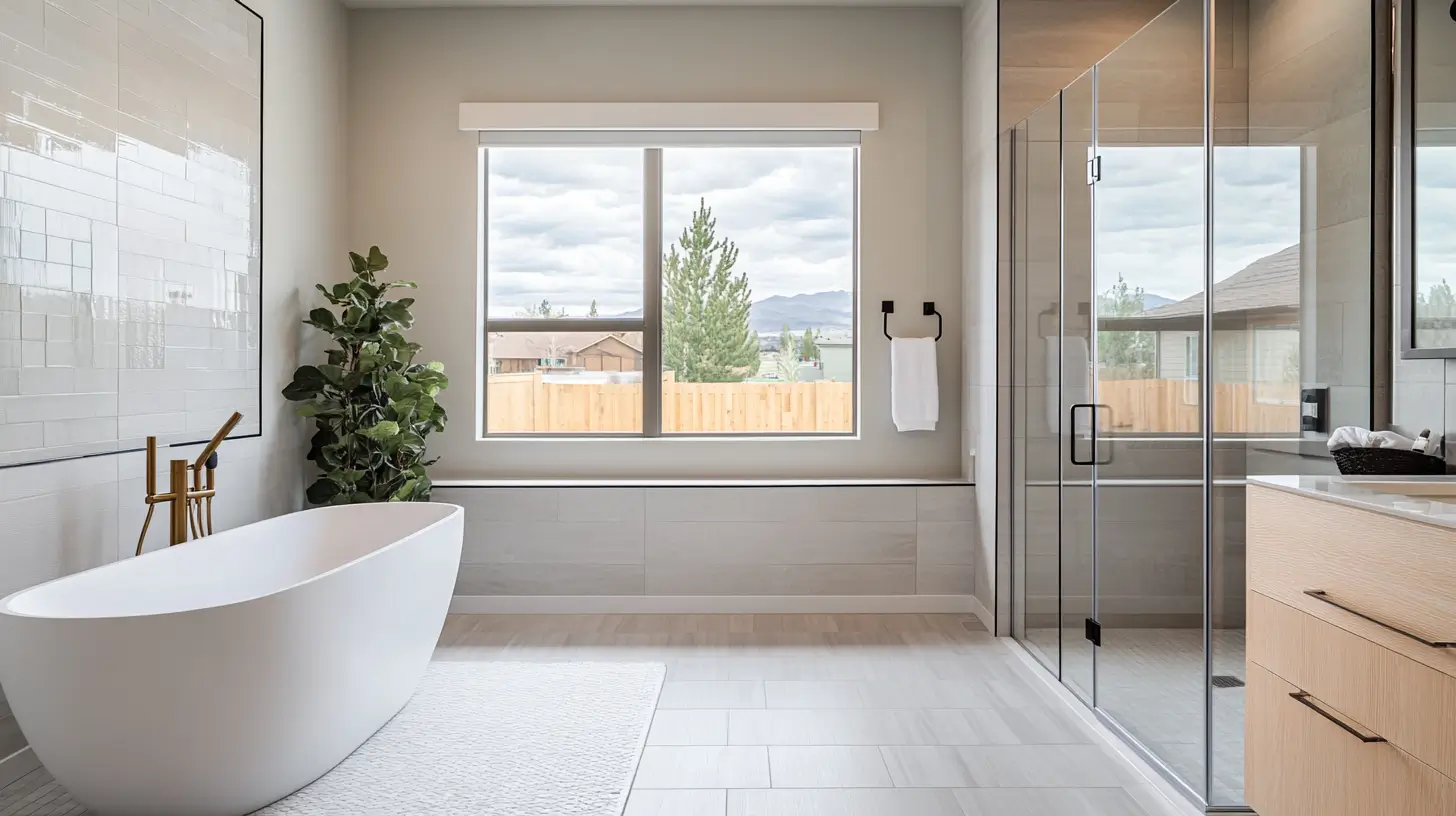
Most Denver homeowners remodeling a bathroom face the same question at some point: keep the tub or rip it out for a bigger walk-in shower. The decision feels straightforward in the moment (the shower gets used every day, the tub almost never), and yet it shows up in resale conversations a few years later as one of the few choices buyers actively notice. Like many remodel decisions, the answer depends on which bathroom it is, what the rest of the house has, and who is likely to live there next.
This article walks through the trade-offs between keeping a tub and converting to a walk-in shower in a Denver bathroom remodel: the practical use case for each, what each one costs, what changes structurally, the resale rule that matters, and how to think about your specific situation. By the end you should be able to make the call honestly based on how you actually live and what the home needs.
The decision at a glance
Tub-only setup: Best for kids' bathrooms, baby-bathing households, and as the only tub in a single-bath home.
Tub-shower combo: The compromise position. Less luxurious than either, but covers both functions.
Walk-in shower: More usable daily space, easier to clean, often higher perceived value, but kills the resale flexibility if it's the only tub in the house.
The resale rule: Every house needs at least one tub. Remove it from the master only if there is a tub somewhere else.
Cost spread: Tub-to-shower conversions usually cost more than a like-for-like tub replacement.
When the tub stays
Tubs are not obsolete; they are situational. The clear cases for keeping a tub: a family with young kids who bathe instead of shower, a household where someone genuinely uses the tub for soaking, and any home where the bathroom being remodeled is the only tub in the house. The last case is the resale rule, and it matters more than homeowners realize. Buyers with young kids or pets routinely walk away from homes without a single tub, and appraisers note the absence on comparable analyses.
In a Denver home with multiple bathrooms (most homes built since the 1990s, many older homes with finished basements), removing the tub from the master is safe if the kids' bathroom or hall bathroom still has one. In an older bungalow or condo with one bathroom total, removing the tub is a resale risk and usually a mistake.
When the walk-in shower wins
The walk-in shower case is strongest in the master bathroom of a home with a tub somewhere else. The master is where the day starts and ends, the shower gets used twice a day for most adults, and a bigger walk-in with two showerheads or a bench reads as a luxury upgrade in a way that a 60-inch tub-shower combo does not. Aging-in-place is a related consideration: a curbless walk-in is easier and safer than stepping over a tub edge as you get older, and many Denver homeowners remodeling in their 50s and 60s plan accordingly.
The visual case is also real. A walk-in shower with a frameless glass enclosure and a continuous-look tile floor and wall makes a small bathroom feel substantially larger than the same square footage with a tub. The eye reads the floor continuously across the room instead of stopping at the tub edge.
The tub-shower combo: the honest assessment
The standard 60-inch tub-shower combo is what most postwar Denver bathrooms have, and it is what gets installed in most non-master bathrooms during a remodel. It works as a compromise, and most kids' baths and guest baths should keep this configuration for practical and resale reasons.
The combo is rarely the right answer for the master bathroom of a multi-bath home, however. It does both jobs poorly: the showering experience is constrained by the tub footprint and curtain or door, and the tub itself is rarely deep enough for actual soaking. If you genuinely use a tub for soaking, a freestanding tub plus a separate walk-in shower is a more honest configuration than a combo.
What it actually costs in Denver
A like-for-like tub replacement (pulling out the existing tub, installing a new alcove tub, and retiling the surround) runs roughly $4,000 to $9,000 in Denver in 2026, depending on tile selection and tub quality. A tub-to-shower conversion (removing the tub, framing a curb or curbless pan, installing a custom tile shower with glass enclosure) runs roughly $9,000 to $20,000 depending on size and finishes.
A bathroom that has both (separate tub and separate walk-in shower) requires either a large existing footprint or a footprint expansion, and runs $20,000 to $50,000 for the wet area work alone, on top of the rest of the bathroom remodel scope. This configuration is the most common request in true master suite remodels.
The cost difference between tub and walk-in shower is rarely the deciding factor. A few thousand dollars one way or the other matters less than getting the functional decision right.
What changes structurally
Replacing a tub with a walk-in shower is not always a simple swap. The plumbing rough-in usually needs adjustment (drains move from the foot of the tub to the new shower center), the floor framing may need reinforcement if a curbless design is selected (the shower floor needs to slope to a drain, which often requires recessing the framing), and waterproofing needs to be detailed correctly to avoid leaks down the line.
A curbless walk-in (where you can roll a wheelchair or walker directly in) requires more structural work than a curbed walk-in, because the shower floor needs to be flush with the bathroom floor. On a slab-on-grade home, this is feasible; on a home over a crawl space or basement, it usually requires opening the floor framing. Pricing varies accordingly.
Removing a tub also affects the bathroom's overall floor plan. The space the tub occupied becomes available, but it may not be sized correctly for the new shower without moving the vanity or repositioning the toilet. Layout adjustments often follow the tub decision.
The resale rule that matters most
Every house needs at least one tub. This is the most important rule in the tub vs shower conversation, and it overrides personal preference if the home has only one bathroom or one tub-equipped bathroom. Real estate agents in Denver consistently flag tub-less homes as harder to sell, particularly to buyers with young children, who are a large share of the market in family neighborhoods.
If you have two or more bathrooms and one of them has a tub, you can convert the master to a walk-in shower freely. If you have one bathroom or two bathrooms both without tubs already, consider keeping the tub or installing a tub elsewhere as part of the remodel.
Common mistakes homeowners make
The first mistake is removing the only tub from the home for personal preference without thinking about resale. Five or ten years feels far away during a remodel; it is not. The decision compounds at sale time.
The second mistake is installing a walk-in shower that is too small. A walk-in shower needs to be at least 36 by 48 inches to feel like an upgrade over the tub-shower combo. Anything smaller reads as cramped and undoes the visual benefit. The aspirational walk-in is closer to 36 by 60 or 48 by 60 inches.
The third mistake is using cheap glass enclosures on a premium shower. The frameless glass door is one of the most-touched elements in a bathroom; cut corners here and the entire shower feels less expensive than it cost. Spend the extra few hundred dollars on heavy glass and quality hardware.
The fourth mistake is forgetting the niche. A wall niche for shampoo and soap is essentially free during framing and tiling, and significantly more expensive to add later. Plan it in even if you are not sure you want it.
What this means for your decision
Walk through three questions before deciding. Is this the only tub in the home? If yes, keep it. Is this the master bathroom of a multi-bath home? If yes and the master is where the day starts and ends, a walk-in shower is usually the better answer. Is anyone in the household likely to need an accessible shower in the next 15 to 20 years? If yes, a curbless walk-in earns its place.
If you are scoping the larger remodel, the tub-or-shower question sits inside the broader bathroom remodel budget. Shower design ideas covers the configuration and finish options once you have decided on the walk-in direction. If your bathroom is small, layout strategies for small bathrooms covers how to make the most of the existing footprint.
Working with a Denver bathroom contractor
A good bathroom contractor will help you think through both functional fit and resale impact, recommend a layout based on what actually works in the space, and price the structural work honestly (especially for curbless conversions). They will also handle the waterproofing detail correctly, which is the single most failure-prone aspect of any tile shower installation. DDB's bathroom service overview describes how we handle tub vs shower decisions during the design phase.