
Gutter Replacement in Denver
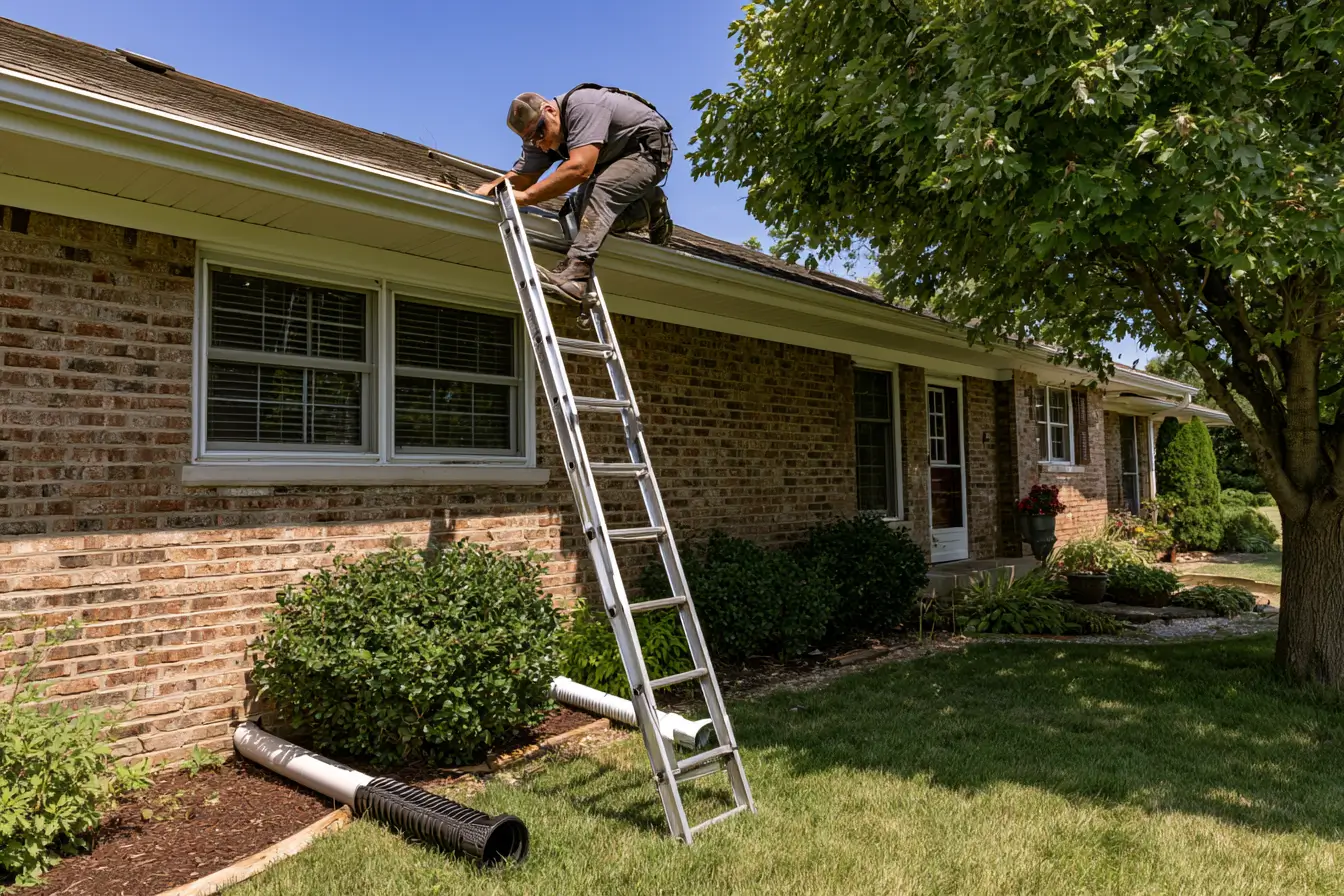
Gutters are the least glamorous system on a house and among the most consequential, because their failure mode isn't a gutter problem, it's a foundation problem, a siding problem, and in Denver specifically, a basement problem. Replacement is also one of the more reasonably priced exterior projects, which makes the widespread habit of ignoring gutters until they fail genuinely strange. This article covers what gutter replacement costs in Denver, what actually matters in the specification, and the local conditions, hail, snow load, and expansive soils, that make gutters more important here than most places.
What gutter replacement costs in Denver
For a typical Denver single-family home, full gutter and downspout replacement generally runs $1,500 to $4,500. The spread is driven by linear footage, material, and how many stories the crew is working on. As per-foot anchors: standard 5-inch seamless aluminum typically lands in the $8 to $15 installed range, 6-inch oversized runs a couple dollars more per foot, and steel or copper climb from there, copper into boutique territory.
Seamless aluminum, roll-formed on site to your exact runs, is the default for good reason: fewer joints means fewer leak points, and joints are where gutters fail. Sectional systems from the big-box store cost less in material and give it back in leaks within a few seasons.
Why gutters matter more in Denver
The Front Range sits on expansive clay soils, soil that swells when saturated and shrinks when dry, and that movement is the region's signature foundation problem. The single cheapest defense is keeping roof water away from the foundation, which is precisely a gutter-and-downspout job. A failed gutter dumping water at the foundation line loads the clay exactly where it does damage, and the repair bills it eventually generates, foundation work, basement water remediation, carry one to two more zeros than the gutters would have.
Denver's climate also works gutters harder than mild regions: hail dents and detaches them, freeze-thaw cycles pry at fasteners and joints, heavy spring snows load them, and ice damming at the eaves stresses both gutter and roof edge. Gutter specification here is weather engineering, not trim selection.
The specification that matters
Size: 6-inch gutters over standard 5-inch is the highest-value upgrade on most Denver homes, meaningfully more capacity during the short intense downpours the Front Range specializes in, for a modest per-foot premium. Steep or large roof planes concentrate a lot of water into a few runs, and undersized gutters simply overtop.
Downspout count and discharge: more downspouts, properly placed, beat bigger gutters, and every one of them should discharge well away from the foundation, extensions or buried drains, not a splash block at the foundation line. This is the part of the system that protects the house; the horizontal runs just feed it.
Hangers and pitch: hidden hangers screwed into fascia at close spacing, tighter than mild-climate spacing, because snow load is real here, and consistent pitch toward the downspouts. Sagging runs hold water, and held water becomes ice.
Guards: worth it where trees actually are. Quality micro-mesh guards run several dollars more per foot and pay off under cottonwoods and pines; on a treeless roof they're a solution seeking a problem. Cheap snap-in screens mostly relocate the clog.
Repair or replace
A localized leak, a detached hanger, one crushed downspout, repair. Widespread seam leaks on a sectional system, corrosion showing through paint, pulling fascia, or post-hail denting along whole runs, replace, and if hail did it, that's an insurance conversation, gutters ride along on hail claims routinely here. Age is the tiebreaker: aluminum systems have roughly a 20-year working life in this climate, and re-repairing a system at that age is paying twice.
Common mistakes homeowners make
Treating downspout discharge as an afterthought is the most consequential, the system's entire purpose is delivering water away from the foundation, and a splash block at the wall is not away. Skipping gutters on the garage or additions is second, that roof water goes to the same clay. Letting the roofing crew's "we'll reuse your gutters" decide the matter during a roof replacement is third, roof replacement is exactly the cheap moment to do gutters, the crew and access are already there. And buying guards to avoid all maintenance forever, guards reduce cleaning, nothing eliminates it.
What this means for your project
Spec 6-inch seamless aluminum with generously counted downspouts and real discharge extensions, add quality guards where trees justify them, and time the work with any roof replacement if one is near. Get the downspout discharge plan drawn on the bid, literally where each one sends water, because that drawing is the part of the project protecting your foundation.
Gutters are a rounding error against what Denver homeowners spend protecting basements and foundations after water gets there. Spent on the right specification at the right time, they're the rare project where a few thousand dollars is genuinely defending a few hundred thousand, quietly, from the least glamorous perch on the house.