
Filing a Hail Damage Insurance Claim in Denver
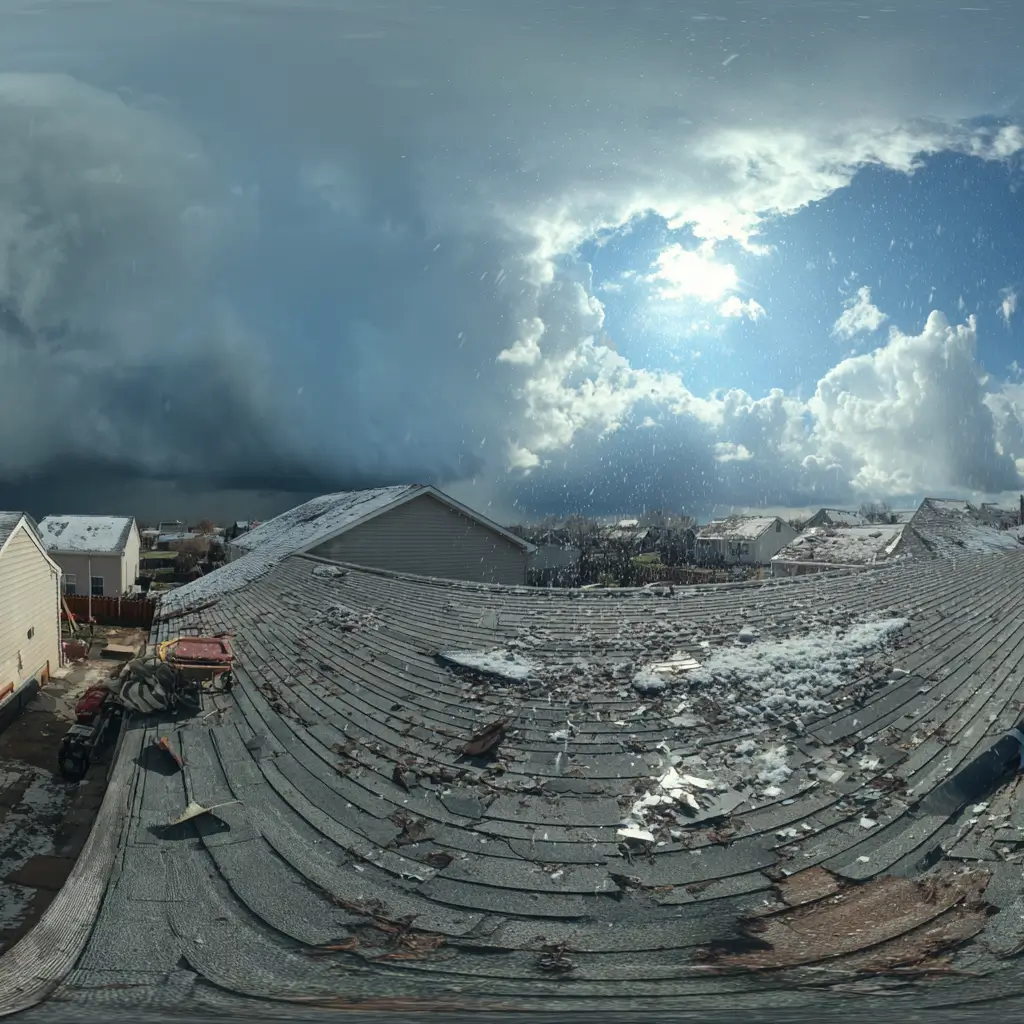
Hail season in Colorado runs roughly April through September, with the worst storms usually arriving between May and August. If your roof takes a hit, the difference between a clean settlement and a frustrating multi-month process usually comes down to the first 72 hours. Most homeowners only file a hail claim once or twice in their entire life, which means they are learning the process under pressure and often making decisions based on whatever advice arrives first, sometimes from a door-knocking contractor with their own agenda.
This article walks through how a Denver hail damage claim actually works, what to do in what order, what your insurance is likely to pay and what it is not, and the choices that have the biggest impact on your out-of-pocket cost. By the end you should know the basic structure of the claim, the documents and photos worth gathering early, and the questions worth asking your insurer before you sign anything.
What this article covers
The 72-hour window: What to document immediately after a storm.
Inspection first: Why getting a roofer up there before calling your insurer matters.
The claim mechanics: Adjuster visit, scope of loss, depreciation, deductible.
RCV vs ACV: The two settlement structures that change everything.
Common claim issues: Where Denver homeowners lose money or get stuck.
When to file a hail claim (and when not to)
Not every hailstorm warrants a claim. Small hail (under three-quarters of an inch) usually does not produce repairable damage on a healthy roof. Even moderate hail may only cause cosmetic dimpling on metal or minor granule loss on asphalt, neither of which justifies the deductible. Filing a claim that gets denied or closed without payment still counts as a claim on your record, which insurers track and which can affect future rates or coverage.
The clearer cases for filing: visible shingle damage (cracks, bruising, exposed mat), gutter dents and downspout impacts, dented roof vents and flashings, damaged siding, or any visible leak. If your neighbors are filing and your home took similar exposure, you should at least get an inspection. Storms tend to track in specific bands, so the difference between filing and not filing often comes down to which side of the street took the brunt of the hail.
The right sequence is inspection first, claim second. A reputable roofing contractor will inspect the roof and tell you honestly whether the damage rises to the level of a claim. If it does, you call your insurer with a real basis. If it does not, you have saved yourself a denied claim on your record.
The 72-hour window after a storm
The most important thing you can do in the first three days after a major hail event is document. Take wide and close-up photos of your roof from ground level, photos of any visible damage to siding, gutters, downspouts, window screens, and outdoor furniture. Photograph dents on car hoods (your own and visible from the street if it helps establish the storm severity). Keep weather reports and local news coverage that confirm the date and size of the hail in your specific area. NOAA and the National Weather Service both publish hail reports that are useful in claim discussions later.
Get a professional roof inspection within the first week. Many Denver roofers offer free post-storm inspections, but be selective about who you let on the roof. A contractor who pressures you to sign an Assignment of Benefits or a contingency contract before any inspection has occurred is one worth avoiding. Pick a contractor first, then have them assess.
If you spot a leak, document it (photos, date, time) and prevent further damage where you can (tarps, buckets, moving belongings). Insurance generally requires homeowners to take reasonable steps to mitigate further damage; failing to do so can reduce your settlement.
How a Denver hail claim actually works
The basic mechanics of a hail claim follow the same path with most carriers, with timing and terminology varying. After you file, the insurer assigns an adjuster who will schedule a site visit, usually within a week or two during peak season, sometimes longer if the storm produced a high claim volume. The adjuster inspects the roof and surrounding damage and writes a scope of loss, which is the line-item document estimating what will be repaired or replaced and at what price.
You receive a copy of the scope along with a settlement check or a Statement of Loss. The settlement amount is the cost to repair or replace the damaged items, minus your deductible, and (depending on your policy) minus depreciation that will be paid back once the work is complete. The check is often made out to you and your mortgage company jointly if you have a mortgage, which means the lender has to endorse it before you can deposit it.
From there, you select a contractor, sign a contract, complete the work, and (on a Replacement Cost Value policy) submit invoices to release the depreciation portion of the settlement. The whole cycle usually runs 6 to 16 weeks in Denver during peak claim season, faster if storm volume is light, slower if your roof is in a heavily affected zip code.
RCV vs ACV: the policy distinction that changes everything
The single biggest factor in what you actually receive from a hail claim is whether your policy pays Replacement Cost Value (RCV) or Actual Cash Value (ACV). RCV pays the full cost of replacement, minus your deductible, typically in two checks: the initial payment for the work plus a depreciation holdback released when the job is complete. ACV pays the depreciated value of the roof, with no second check. On a 12-year-old roof, ACV might mean the insurer pays 40 to 60 percent of replacement cost, with the rest coming out of your pocket.
Over the last several years, many Denver-area insurers have shifted older roofs to ACV coverage as hail losses have piled up. Some policies have a roof age cutoff (often 15 or 20 years) after which coverage automatically drops to ACV. Some carriers have added separate hail-specific deductibles, sometimes a flat amount, sometimes 1 to 5 percent of dwelling coverage, which on a $600,000 home can mean a $6,000 to $30,000 deductible. Check your declarations page for the wind/hail deductible, and ask your agent directly whether your roof is covered RCV or ACV.
If your roof is older and you have not reviewed your policy in a few years, the time to do that is before the next storm, not after.
The deductible decision
Your deductible is the amount you pay out of pocket before insurance kicks in. Standard homeowner deductibles in Colorado are commonly $1,000 to $2,500, but hail-specific deductibles can be much higher, sometimes 1 to 5 percent of the home's insured value. A 2 percent hail deductible on a $700,000 home is $14,000, which is enough to make filing a small claim a losing proposition.
Some homeowners are tempted by contractors who offer to "waive" or "cover" the deductible. Colorado law specifically prohibits this, and accepting a deductible waiver can constitute insurance fraud on both sides. If a roofer offers this, find a different roofer.
Common mistakes homeowners make
The most expensive mistake is signing with a storm-chasing contractor before getting an independent inspection. Storm chasers travel between hail-affected markets, knock doors, push for immediate signatures via Assignment of Benefits agreements, and often disappear after the work is done (or before, depending on the operation). The pressure tactics are the giveaway. A good roofer will give you time to think and check references.
The second mistake is waiting too long to file. Most policies have a window (often 12 months, sometimes shorter) for reporting hail damage, and storms older than that may not be covered. If you suspect damage, get an inspection sooner rather than later.
The third mistake is replacing only the visibly damaged sections instead of the full roof. Insurers will sometimes try to scope a partial replacement to save costs, but matching shingles across new and old sections rarely looks right after a few years of UV fading, and the warranty on the new section may not transfer. Push for a full slope replacement where the damage is significant, and document the cosmetic-match problem in writing.
The fourth mistake is forgetting the soft costs. Insurance often covers more than just the roof: damaged gutters, downspouts, fence sections, screens, paint scratches on garage doors, and dented HVAC condenser fins are all claimable items. The adjuster will not always list these unless you point them out. Walk the property with the adjuster and flag everything.
What this means for your next steps
If you suspect you have hail damage, the order is straightforward: take photos of what you can see, get a real roofing inspection within a week, and only then call your insurer. If the damage is real, your contractor can help you understand the scope before the adjuster arrives, which makes the adjuster meeting more productive.
If you are not sure whether what you see counts as damage, the visible signs of hail damage are worth reviewing first. Sometimes what looks bad from the ground is cosmetic; sometimes what looks fine has hidden bruising that only an inspection reveals.
If you are weighing whether to file at all, the next question is repair versus replacement. The repair-versus-replace decision guide covers the threshold where partial repair stops making sense. And if you do end up needing a full replacement, the material decision matters: comparing asphalt, metal, and tile changes how you think about the next 30 years of roof ownership.
Working with a roofing contractor on a hail claim
The contractor's role in a hail claim is to provide an accurate scope of the damage, communicate with the adjuster, complete the work to code and to the insurer's specifications, and document everything for the warranty and the claim file. A good contractor will meet the adjuster on site if you want them to, push back on missed line items, and explain anything in the scope that does not match what they see on the roof. They will not waive your deductible, sign you to an Assignment of Benefits without explanation, or pressure you to file before assessing the damage. DDB's roofing service overview describes how we handle the claim process for homeowners.