
Class 4 Shingles in Denver
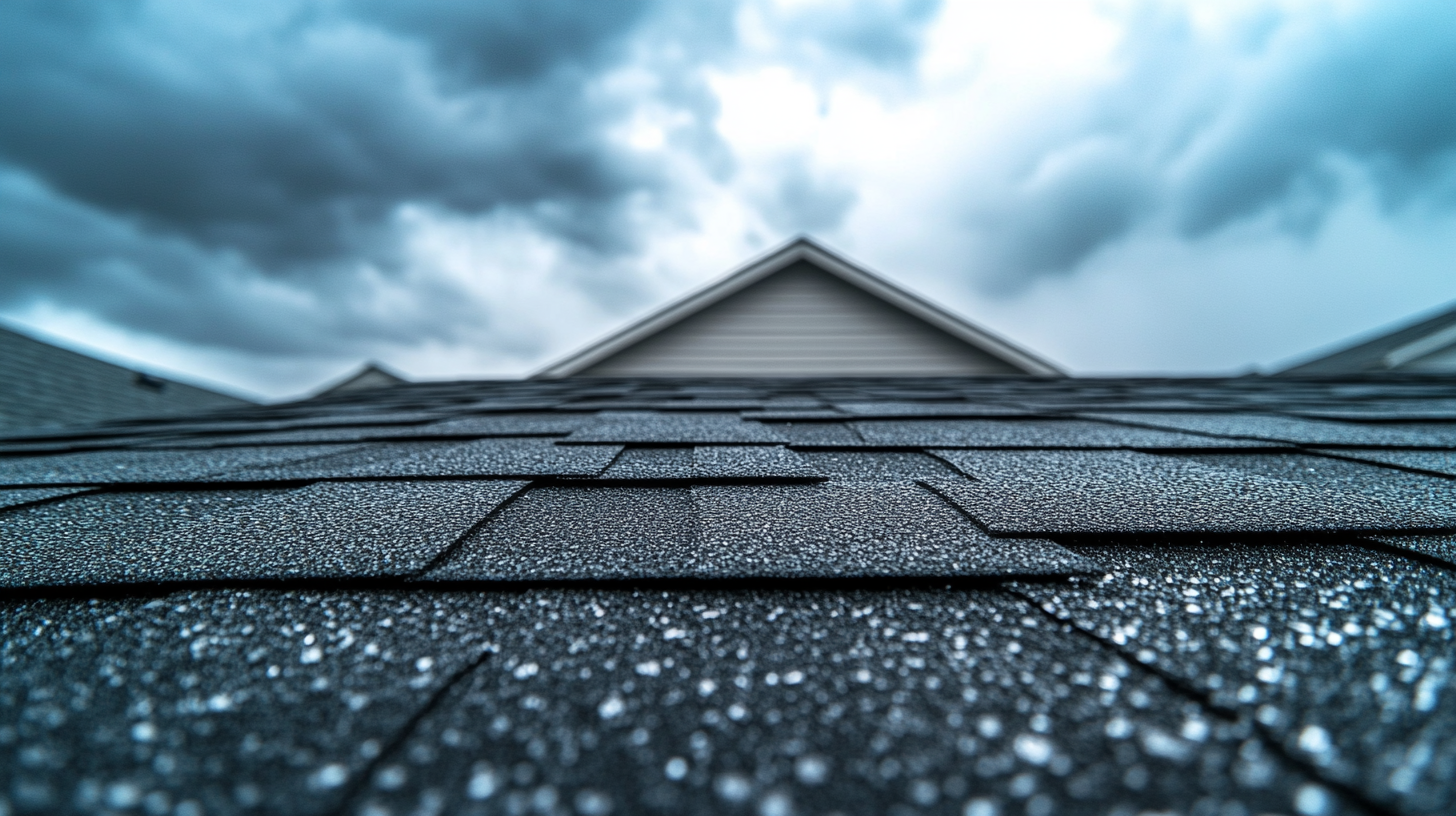
Every roof conversation in Denver eventually arrives at the same question: are class 4 shingles worth the upgrade? The Front Range is one of the most hail-prone corridors in the country, most roofs here are replaced because of storms rather than age, and insurers have responded by both offering discounts for impact-resistant roofs and quietly rewriting what those policies cover. This article explains what class 4 actually means, what the upgrade costs on a Denver roof, how the insurance math really works in 2026, and where homeowners get caught.
What class 4 actually means
Class 4 is the highest rating in the UL 2218 impact test, in which a 2-inch steel ball is dropped from 20 feet onto the shingle, twice in the same spot. If the shingle's mat does not crack, it earns the rating. That makes class 4 a measure of resistance to a specific, repeatable impact, not a promise of invincibility. It is the difference between a shingle that shrugs off the 1-inch to 1.75-inch hail that makes up most Front Range storms and one that needs replacement after them. In a softball-hail event, the kind Denver sees occasionally, every roof loses. The honest pitch for class 4 is fewer replacements over the life of the house, not zero.
Most major manufacturers make a class 4 line: Malarkey's polymer-modified shingles, GAF's ArmorShield, Owens Corning's Duration Storm, CertainTeed's IR series. They reach the rating differently, and the polymer-modified mats tend to hold up better over years of thermal cycling, which Denver's freeze-thaw swings supply in quantity. A good roofer will have an opinion about which line fits your roof, and it is worth asking why.
Does class 4 actually survive Denver hail?
The test data and the field data mostly agree. Insurance industry studies of Front Range storms show impact-resistant shingles taking dramatically less functional damage in the 1-inch to 1.75-inch range that accounts for the large majority of Colorado hail events. Where the marketing oversells is at the extremes: in a 2.5-inch-plus event, class 4 roofs lose granules, bruise, and sometimes crack like everything else. What the rating buys you is the storms in between, the four or five marginal events a Denver roof sees in a decade that total a standard shingle and leave a class 4 roof in service. Fewer claims also matters in a market where carriers increasingly price on claims history, and some have begun requiring impact-resistant products for new policies in hail corridors.
What the upgrade costs in Denver
On a typical Denver roof, upgrading from standard architectural shingles to class 4 adds roughly 10 to 25 percent to the shingle cost, which usually means $1,500 to $4,000 on a full replacement depending on roof size and the product line. Since a full replacement in Denver commonly runs in the five figures either way, the class 4 premium is a marginal cost decision, and our breakdown of what a roof replacement costs in Denver in 2026 is the right baseline to price against. If you are still weighing material categories entirely, start with our comparison of asphalt, metal, and tile roofing for Denver homes, because class 4 asphalt competes surprisingly well against metal once insurance enters the math.
The insurance math, and the fine print that changed
Most insurers writing Colorado policies offer a premium discount for a documented class 4 roof, commonly in the 5 to 30 percent range on the wind and hail portion of the premium. On a Front Range premium, that discount frequently pays back the upgrade cost within three to seven years, and the roof is warrantied for decades. That is the pitch, and it is mostly true. The fine print is where it gets interesting.
A growing number of Colorado policies pair the class 4 discount with a cosmetic damage exclusion, meaning the insurer will not pay to replace an impact-resistant roof that is dented but not functionally compromised. For some homeowners that trade is fine. For others, especially anyone thinking about resale, a cosmetically damaged roof that insurance will not replace is a real cost. Before you buy the upgrade, ask your insurer two questions in writing: what is the exact discount for a class 4 roof, and does accepting it add a cosmetic damage exclusion or endorsement to the policy. The answers vary more by carrier than any general article can tell you.
Documentation matters as much as the shingle. The discount requires proof, typically the manufacturer's class 4 certification and an invoice or permit showing the product installed. Keep both, because if you file a claim later, the paper trail is part of the process, and our guide to filing a hail damage insurance claim in Denver shows how that plays out when a storm does hit.
Where homeowners get caught
The common mistakes with class 4 are all administrative rather than structural. Assuming the discount is automatic instead of applying for it with documentation. Accepting a cosmetic exclusion without understanding it. Buying class 4 shingles but letting an inexperienced crew install them, because impact rating does not fix bad nailing, and workmanship failures are not covered by the shingle warranty. And replacing a roof after a storm without checking whether the insurer's settlement can carry the class 4 upgrade cost, which it often can when the upgrade is negotiated during the claim rather than after it. A roof warranty is its own subject with its own traps, and our piece on what roof warranties in Denver actually cover is worth ten minutes before signing anything.
What this means for your roof
If your roof is due for replacement anyway, class 4 is usually the right call in Denver: the marginal cost is modest, the discount often carries it, and the roof it buys stands up to the storms this region actually produces. If your roof is mid-life and healthy, the upgrade rarely justifies an early replacement on its own. Price the premium, get your insurer's numbers in writing, and make it a math decision instead of a fear decision. Our roofing team installs class 4 systems across the metro and can price the upgrade against your specific roof rather than a national average.