
Roof Warranties in Denver: What's Actually Covered
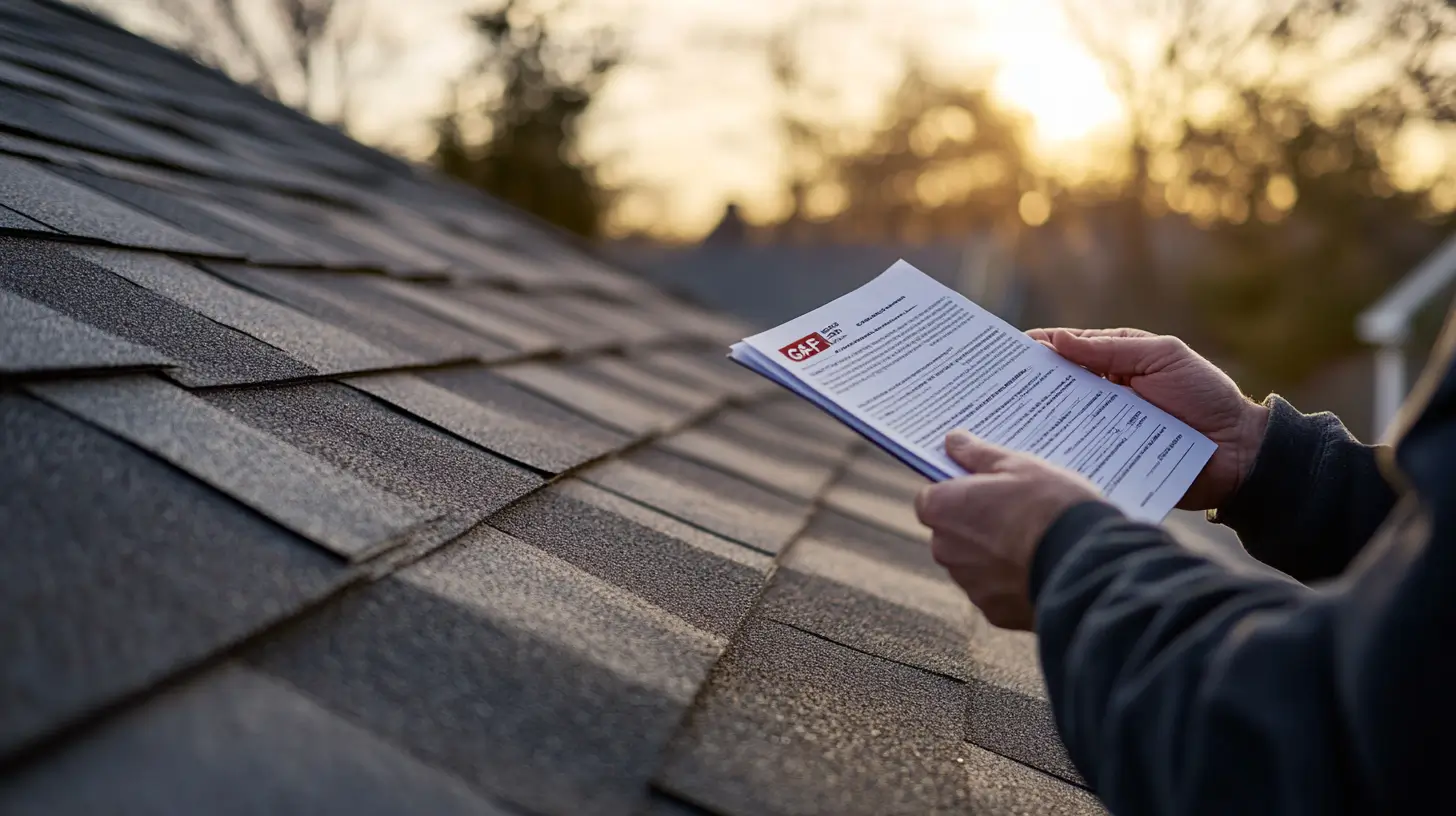
Most homeowners assume a 30-year shingle warranty means a 30-year roof. The reality is more complicated. Roof warranties are layered (material warranty, workmanship warranty, manufacturer extended warranty), each layer covers different things, and what gets paid out under a claim depends on a lot of fine print that most homeowners never read until something goes wrong. In Denver, where hail and UV regularly shorten the practical life of a roof, knowing what your warranty actually covers (and what it does not) is the difference between filing a useful claim and paying out of pocket for a problem you thought was covered.
This article explains the three warranty layers that come with a new roof in Denver, what each one actually does, the exclusions worth knowing about, and the choices that affect how protected you really are. By the end you should know which questions to ask before signing a roofing contract and how to file a warranty claim if something fails later.
The three warranty layers
Material warranty: From the shingle manufacturer. Covers manufacturing defects, usually for 25 to 50 years prorated.
Workmanship warranty: From the roofing contractor. Covers installation defects, typically 1 to 10 years.
Manufacturer extended warranty: Optional upgraded warranty available when a certified installer puts on the full system. Often the only warranty that pays meaningful money on a real claim.
The material warranty: what 30 years actually means
The number on the bag of shingles (25, 30, 50 years) is the material warranty period set by the manufacturer. It covers manufacturing defects, meaning the shingles themselves failing because of how they were made. It does not cover hail, wind beyond a stated speed, ice dams, improper installation, lack of ventilation, or normal wear and tear. The practical scope is narrow.
The other catch is prorated coverage. Most material warranties pay out at full replacement value only for the first few years (often 5 to 10), then ramp down to a fraction of the original cost over the warranty period. A 25-year roof that fails in year 18 might pay back only 20 to 30 percent of the original shingle cost, and the labor to install replacement shingles is not covered. Many homeowners discover this at claim time and feel misled, even though it is spelled out in the warranty document.
The material warranty is also tied to the original homeowner. Transferring it to a buyer when you sell the house usually requires paperwork and a small fee, and is typically allowed only once. If you bought the home from someone who had the roof replaced, confirm the warranty was transferred to you. If it was not, you may not have material coverage at all.
The workmanship warranty: where most real claims happen
The workmanship warranty comes from the contractor, not the manufacturer, and covers installation defects. This is the warranty that pays when a roof leaks because the flashing was installed wrong, the underlayment was missed in a valley, or the shingles were nailed too high. In practice, most roof problems in the first 5 to 10 years are installation problems, not material problems, which makes the workmanship warranty more useful than the material warranty for the typical homeowner.
The catch is that workmanship warranties are only as good as the contractor offering them. A 10-year workmanship warranty from a roofer who goes out of business in year 4 is worthless. Storm-chaser contractors who roll into Denver after a hailstorm, install a few hundred roofs, and disappear are particularly common in this market, and the workmanship warranty they sign rarely outlives their business. Look for contractors who have been operating in Denver for at least 10 years, who carry general liability and workers' comp insurance, and who can show you workmanship claims they have actually honored.
Workmanship warranties typically run 1 to 10 years, with 5 years being the most common standard. Some contractors offer lifetime workmanship warranties as a marketing differentiator, which can be meaningful if the contractor is established but should be evaluated alongside the contractor's track record, not as a standalone selling point.
The manufacturer extended warranty: the one that actually pays
The third layer is the upgraded warranty that some manufacturers offer when a certified installer puts down the full roof system (shingles, underlayment, ventilation, ice and water shield, flashings) using the manufacturer's components. These warranties (GAF Golden Pledge, Owens Corning Platinum Preferred, CertainTeed SureStart Plus, and similar) extend coverage to include workmanship for a longer period (often 25 to 50 years), upgrade the prorated structure on the material warranty, and stay in force even if the original contractor goes out of business because the manufacturer stands behind the warranty.
The cost varies but adds roughly 5 to 15 percent to the project price, sometimes less if the contractor is a high-volume certified installer. For homeowners staying in the home 15 or more years, the extended warranty is often the best protection for the price, particularly because it survives the contractor.
The catch with extended warranties is the certification requirement. Not every roofer is certified by the manufacturer to install systems eligible for the extended warranty. Ask whether your contractor is currently in good standing with the manufacturer (status can change year to year) and whether they will register the warranty in your name within 30 days of installation. A registered extended warranty is the only kind that pays out at claim time.
What roof warranties do not cover
Most homeowners are surprised by how much falls outside warranty coverage. Hail damage, wind damage above the manufacturer's stated threshold, freeze-thaw cycles, ice dams, animal damage, fire, and acts of vandalism are not covered by any standard roof warranty. These are insurance issues, not warranty issues. The line is sharper than most people think: if the damage came from outside the roof (weather, animals, people), it is an insurance claim. If the damage came from how the roof was made or installed, it is a warranty claim.
Improper ventilation is one of the most common warranty disqualifiers. Most shingle warranties require attic ventilation that meets a specific ratio (typically 1 square foot of net free vent area per 150 square feet of attic floor, balanced between intake and exhaust). If your attic is under-ventilated and the shingles fail prematurely from heat buildup, the manufacturer can deny the warranty claim. Confirm ventilation meets warranty requirements before installation, and document it.
Lack of maintenance is the other common disqualifier. Skipping basic roof maintenance like keeping gutters clean, removing debris, and addressing minor issues can void warranty coverage. Keep records of any maintenance work, photos before and after, and inspection reports. The warranty file matters when a claim is filed.
How to read a roof warranty before you sign
The warranty document is one of the most useful things to read before signing a roofing contract. The key sections to look for: the warranty period and whether it is prorated, what is covered and what is excluded, the maintenance requirements, the procedure for filing a claim, and the transfer rules if you sell the home. Each of these has loopholes that vary by manufacturer and contractor.
Ask three specific questions before signing: What does your workmanship warranty cover, and for how long? Are you currently certified to install the manufacturer's extended warranty system, and what does it add? And what is your process for handling a warranty claim, including how quickly you respond? A contractor who answers all three clearly is one worth working with.
Common mistakes homeowners make
The first mistake is assuming the warranty number is what protects them. A 50-year material warranty without a registered extended warranty is mostly marketing. The contractor's track record and the workmanship warranty are usually the more meaningful protection.
The second mistake is not registering the warranty. Many manufacturer warranties require registration within 30 to 60 days of installation. If the paperwork does not get filed, the warranty defaults to a base level that may be significantly shorter than what was advertised. Confirm registration happened and request a copy of the registration confirmation from your contractor.
The third mistake is using a cheap installer to put down expensive shingles. The shingle warranty is only as good as the installation, and a 50-year shingle installed badly will fail in 10 years with no warranty recourse. The labor and material decisions should be evaluated together, not separately.
The fourth mistake is not transferring the warranty when selling the home. Buyers value a transferable warranty, and the transfer fee is usually small. Skipping the transfer either leaves the buyer without coverage (problematic at inspection time) or gives the seller no leverage to ask for full asking price on the roof's remaining warranty value.
What this means for your decision
The warranty conversation is really a contractor conversation. A reputable roofer who has been in Denver for years, carries proper insurance, is certified by the manufacturer, and offers a meaningful workmanship warranty is your best protection. The specific warranty length matters less than the combination of who is standing behind it and what their track record looks like.
If you are evaluating a new roof, the warranty conversation belongs in the same discussion as material selection and budget. Different materials carry different warranty structures, and the extended warranty option is usually only available on specific manufacturer systems.
If you are looking at a contractor's proposal and not sure what to ask, the 10 roof installation FAQs Colorado homeowners ask covers the broader question set.
Working with a Denver roofing contractor
The contractor's role in warranty protection is significant. They issue the workmanship warranty, register the manufacturer extended warranty in your name, install the system in a way that keeps the material warranty valid (ventilation, underlayment, flashing details), and document the work so any future claim has the photos and paperwork to support it. A reputable roofer will walk you through all three warranty layers before signing, register the manufacturer warranty within 30 days, and provide you with a complete warranty file including registration confirmation, photos, and inspection reports. DDB's roofing service overview describes how we handle warranty registration and documentation.