
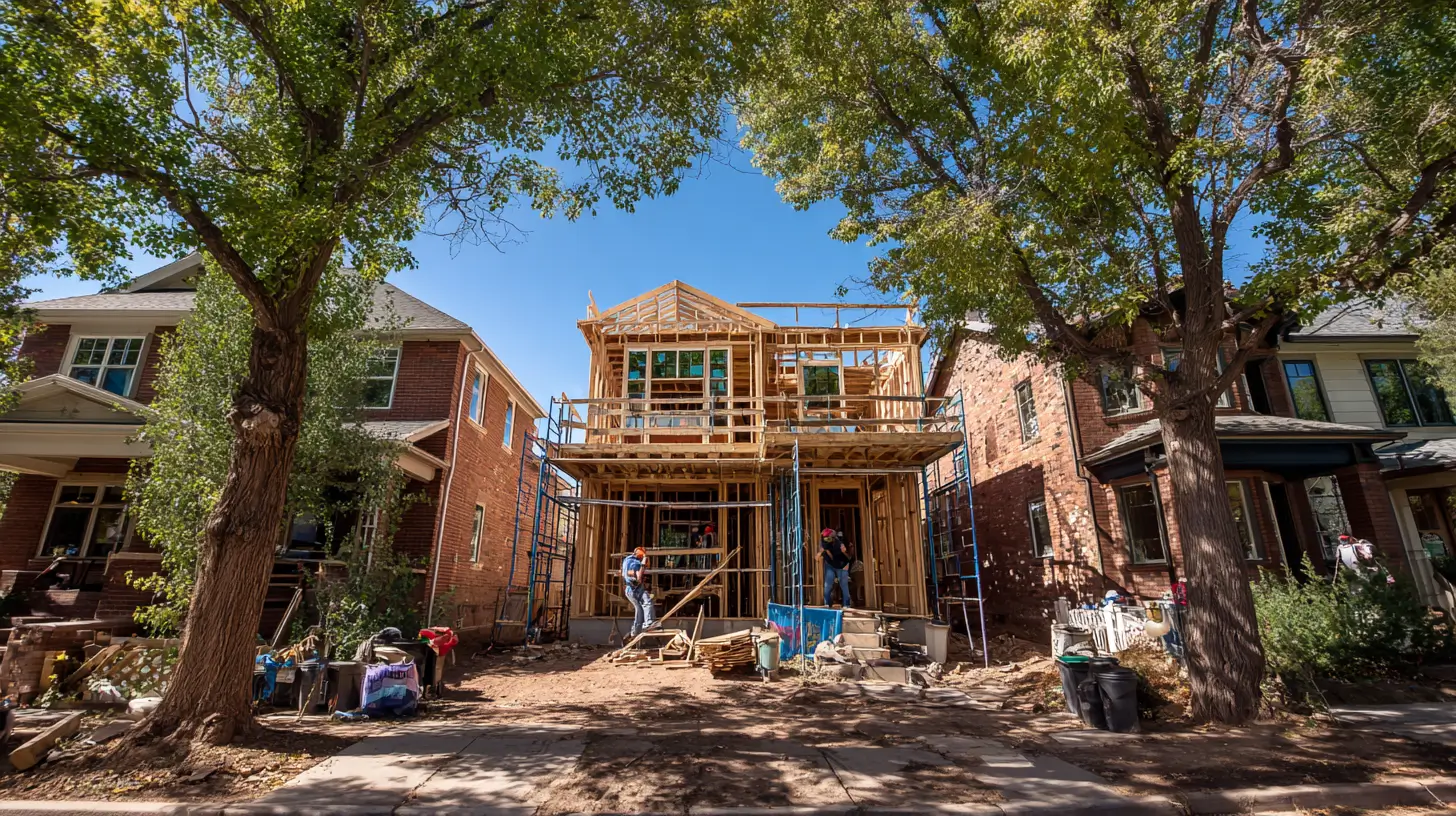
Denver's housing market has been pushing outward for decades, but a quieter trend has been reshaping established neighborhoods from the inside: infill development. As land becomes harder to find and more expensive on the edges of the metro, more homeowners and builders are turning to infill lots -- vacant or underutilized parcels inside existing neighborhoods -- to build custom homes close to the city.
If you've found an infill lot in Denver that looks like an opportunity, it might be exactly that. It might also come with complications that aren't obvious until you've done the homework. Here's what you need to know before you buy or build.
What Is an Infill Lot?
An infill lot is a parcel of land within an established, already-developed neighborhood. It might be a vacant lot that's been sitting between two houses for years, a property where an older home was demolished, or a larger lot that's been subdivided. In Denver, infill lots exist across a wide range of neighborhoods -- from Sunnyside and Globeville to Wash Park and Hilltop.
The appeal is straightforward: you get to build a custom home in an established neighborhood with existing infrastructure, walkability, mature trees, and proximity to the city -- without waiting for a new development to build out around you.
Related: New home construction in spring: why it's the ideal time to break ground in Denver
Zoning: The First Thing to Check
Before anything else, you need to understand what the lot is zoned for and what that zoning actually allows you to build. Denver's zoning code is detailed and neighborhood-specific. The same size lot in two different neighborhoods might allow very different structures -- different heights, setbacks, lot coverage limits, and accessory dwelling unit permissions.
Key questions to answer before purchasing an infill lot in Denver:
What is the zoning designation?
Denver's zoning map is publicly accessible and will tell you whether the lot is zoned for single-family, duplex, multi-unit, or mixed use. This determines the basic parameters of what you can build.
What are the setback requirements?
Setbacks define how close to the property line your structure can be built -- on the front, sides, and rear. On smaller infill lots, setbacks can significantly constrain the buildable footprint. A lot that looks adequately sized on paper can shrink considerably once setbacks are applied.
What is the maximum lot coverage?
Denver zoning limits how much of a lot can be covered by structures. This affects not just the home itself but also garages, sheds, and any accessory dwelling unit you might want to add.
Are there design standards or neighborhood context requirements?
Some Denver neighborhoods have additional design standards requiring new infill construction to be compatible with the character of surrounding homes -- limiting height, massing, or requiring certain exterior materials. These vary by neighborhood and can affect your design significantly.
Related: ADU permits and zoning in Denver: what homeowners need to know
Site Conditions Matter More Than You Expect
An infill lot inside an existing neighborhood isn't the same as a prepared lot in a new development. The site conditions on infill parcels can vary significantly and affect both the cost and feasibility of your build.
Soil and foundation conditions
Denver's soil composition varies considerably across the metro. Expansive clay soils, common in many Denver neighborhoods, can cause foundation movement if not properly addressed. A geotechnical (soils) report before you build is not optional -- it's the document that tells your structural engineer what kind of foundation the lot actually requires.
Utilities and connections
Infill lots in established neighborhoods typically have utilities nearby, but that doesn't mean they're already connected. You'll need to confirm whether water, sewer, gas, and electrical service are available at the property line and what the cost of connection looks like. In some cases, utility lines may need to be extended or upgraded.
Existing conditions on the lot
If an older structure was previously demolished, there may be remnants of the old foundation, buried materials, or contamination that need to be addressed before construction. A Phase I environmental assessment can identify potential issues before you close on the land.
Related: What to know about foundation and concrete work in Denver's early spring
Neighborhood Character and Design Review
One of the underappreciated challenges of infill development in Denver is the social dimension. You're building a new home in an established neighborhood where residents have strong feelings about what gets built next door. While you have legal rights as a property owner, understanding the neighborhood context -- and designing a home that fits it -- leads to fewer conflicts and a smoother process overall.
Some Denver neighborhoods have registered neighborhood organizations (RNOs) that review new construction and can influence the process through formal comment periods. Engaging early, being transparent about your plans, and listening to neighbor concerns isn't just good citizenship -- it's practical. Opposition from an organized neighborhood group can slow permitting and create headaches that are hard to predict in advance.
Working With a Builder Who Knows Denver Infill
Not all home builders are equally equipped to handle infill development. New home builders who primarily work in master-planned communities may not have experience navigating Denver's specific zoning requirements, neighborhood design standards, or the logistical challenges of building on a constrained urban lot -- limited staging space, tight access, neighboring structures to protect.
Look for a builder with demonstrated experience on infill projects in Denver specifically. Ask to see examples of infill work they've completed, ask how they handle the permitting process with the city, and ask what their approach is to managing site logistics in tight urban settings.
Related: Boutique builder vs. commercial builder: what's the best choice for your new home?
Is an Infill Lot Right for You?
Infill development is a compelling path to a custom home in an established Denver neighborhood, but it requires more due diligence upfront than buying in a new development. The lot itself needs to be vetted carefully -- zoning, soils, utilities, existing conditions -- before you can accurately estimate what it will cost to build on it.
If you've identified an infill lot in Denver and want to understand what it would take to build on it, Denver Dream Builders has been building custom homes across Denver for over 20 years. We can walk the lot with you, ask the right questions, and give you an honest assessment of the opportunity before you commit.
Reach out here to set up a free consultation.