
Are Heated Bathroom Floors Worth It in Denver?
Ask anyone who has lived through a Denver January with a tile bathroom floor and they will tell you the same thing: the floor is the coldest surface in the house at the exact moment you are barefoot on it. Heated floors solve that problem completely, and they are cheaper than most homeowners assume, but only if you add them at the right time. Heated bathroom floor cost in Denver typically runs $10 to $20 per square foot installed when the system goes in during a remodel, which puts most bathrooms at $600 to $1,500 added to the project. This article covers what drives that number, what it costs to run, why timing is everything, and where heated floors make the most sense in Denver houses specifically.
What heated bathroom floors actually cost
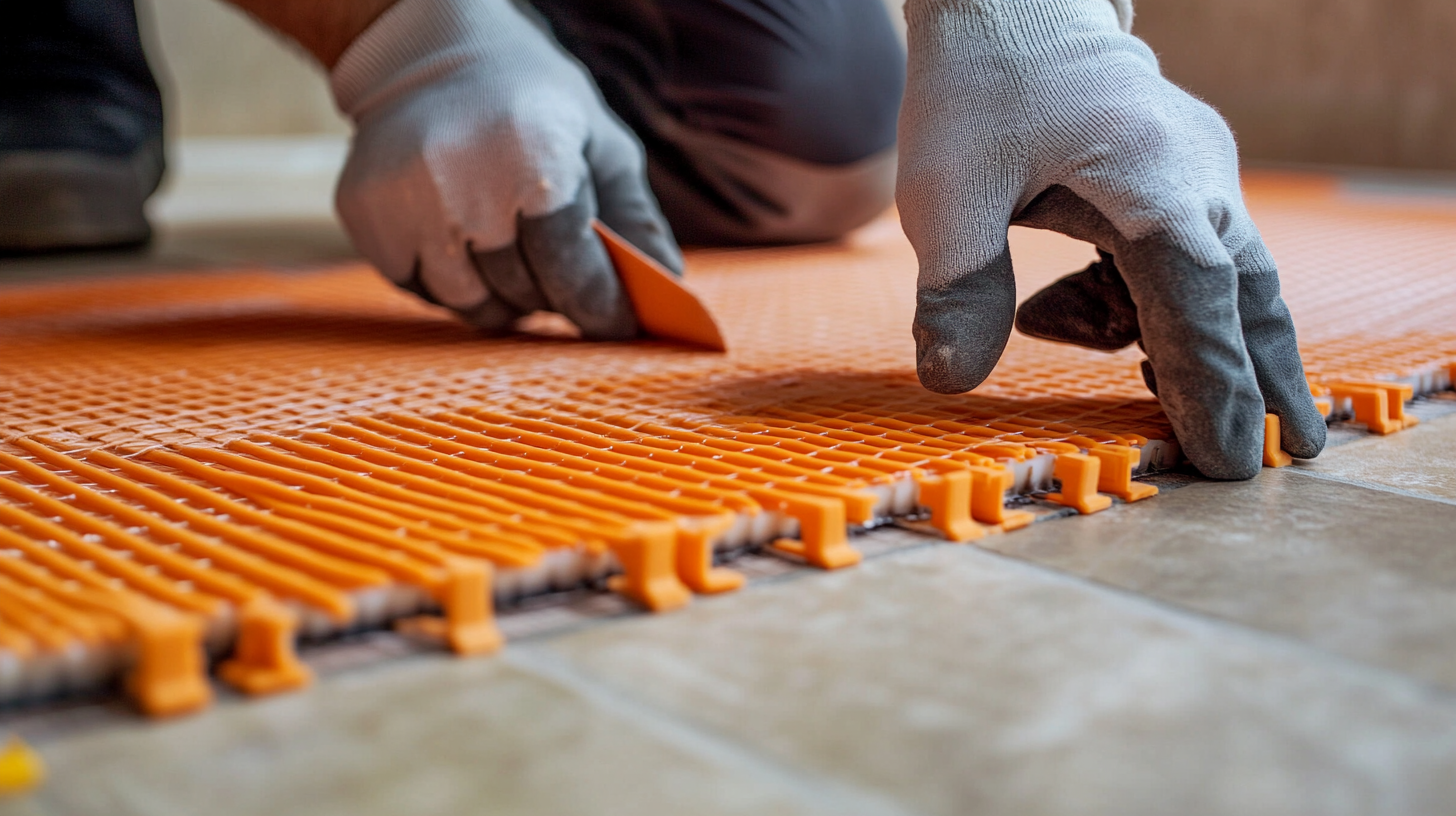
The systems that go into almost every residential bathroom are electric radiant mats. Thin heating cables are woven into a mat or membrane, the mat gets embedded in the mortar under your tile, and a wall thermostat controls the whole thing. Installed during a remodel, expect $10 to $20 per square foot, which covers the mat, the thermostat, the electrical connection, and the labor to set it correctly. A typical Denver bathroom has 40 to 80 square feet of heatable floor once you subtract the vanity, the toilet, and the shower, so the real-world number added to a remodel is usually $600 to $1,500. On a project that already costs $20,000 or more, that is a small line item for something you will feel every single morning. If you want to see where that line item sits inside a full budget, our guide to bathroom remodel costs in Denver breaks the whole project down.
The math changes completely if the floor is already finished. A standalone retrofit means demolishing tile that may be perfectly good, installing the mat, and retiling the entire room, and at that point you are paying for a flooring project with a heating system inside it. The heat itself is still $10 to $20 per square foot, but the demolition and new tile can push the total to several times what the same system would have cost during a remodel. This is the single most common regret we hear on this subject, and it is worth saying plainly: nobody adds heated floors as a standalone project at retrofit prices unless they are already replacing the floor for another reason.
Why Denver bathrooms run cold in the first place
Denver's climate is the obvious reason, but the construction details matter more than the weather. A large share of Denver homes are slab-on-grade or have bathrooms sitting over unconditioned space, and any bathroom in a finished basement has tile sitting directly on or near concrete that stays around 55 degrees most of the year. Forced-air heat does very little for that surface. The register warms the air at the ceiling while the slab keeps pulling heat out of the floor, which is why a basement bathroom can feel cold even when the thermostat says 70. If you are planning to add a bathroom to your Denver basement, radiant floor heat should be part of the design conversation from day one, because that is the room where it earns its keep more than anywhere else in the house.
The other factor is tile itself. Tile dominates Denver bathroom floors, and for good reason: it handles water, it lasts decades, and it works with our dry climate. But tile is also an excellent conductor, which is why it feels cold underfoot even in a warm room. That same conductivity is what makes it the ideal partner for radiant heat. The mat warms the tile, the tile holds and radiates the heat evenly, and the whole floor becomes the warmest surface in the room instead of the coldest. Radiant systems under vinyl or engineered wood exist, but tile is where the technology performs best, and in Denver that alignment is almost automatic.
Electric mats versus hydronic systems
Homeowners sometimes come to us asking about hydronic radiant heat, the kind that circulates hot water through tubing in the floor, because they have seen it in high-end mountain homes. Hydronic is a genuinely better system for heating large areas, but it requires a boiler or a dedicated water heater, a manifold, pumps, and tubing runs, and that infrastructure only makes financial sense when you are heating a whole floor or a whole house. For a single bathroom, hydronic is the wrong tool. The equipment cost swamps the benefit. Electric mats need nothing but a circuit and a thermostat, they install in a day as part of the tile work, and they heat one room without touching the rest of your mechanical system. Unless your bathroom is part of a whole-house radiant project, electric is the answer, and any contractor pushing hydronic for one bathroom should be asked to explain the math.
What it costs to run
The operating cost question comes up in every consultation, and the honest answer is that it is smaller than people fear. An electric radiant floor in a typical bathroom, run on a programmable thermostat that heats the floor for the morning and evening windows when the room is actually used, costs roughly $5 to $15 per month in Denver. The thermostat is the key word in that sentence. A floor left at full temperature around the clock will cost noticeably more, and a floor programmed to warm up thirty minutes before your alarm costs very little. Most systems now include floor sensors and seven-day scheduling as standard, so the efficient setup is the default, not an upgrade. Compared to what homeowners spend on a heavier towel warmer habit or a space heater dragged out every winter, the radiant floor is the cheaper and safer version of the same comfort.
Decide during design, not during tile day
Here is the mistake that costs people the most, and it is a scheduling mistake, not a money mistake. Radiant mats go in under the tile, which means the decision has to be made before the tile setter shows up. Once tile is set, adding heat means tearing out finished work, and no one does that a month after a remodel. We have watched homeowners waffle on the $900 line item during design, cut it to save budget, and then ask about adding it back after walking barefoot through their new bathroom in December. At that point the answer is a full floor redo. The electrical rough-in also has to happen while walls are open, since the system needs its own circuit and a thermostat location. So treat heated floors as a design-phase decision with a deadline, the same way you treat the shower valve or the niche placement. If you are already weighing bigger floor-level decisions, like the curb and pan details in a walk-in shower and what it costs, the radiant question belongs in that same conversation, because all of it lives under the tile.
Where this fits in your project
Heated floors are one of the rare upgrades where the daily benefit is completely out of proportion to the cost, as long as the timing is right. Put the decision on the table during design, size the budget at $600 to $1,500 for a typical bathroom, and make the call once, deliberately, before the mortar goes down. If you are planning a bathroom project and want a straight answer on whether radiant heat makes sense for your specific floor, our bathroom remodeling team works across the Denver metro and prices the system as a clear line item, not a mystery add-on. The floor is going to be tiled either way. The only question is whether it is warm.