
Denver Basement Finishing 101: How to Turn Unused Space Into Your Home's Best Room
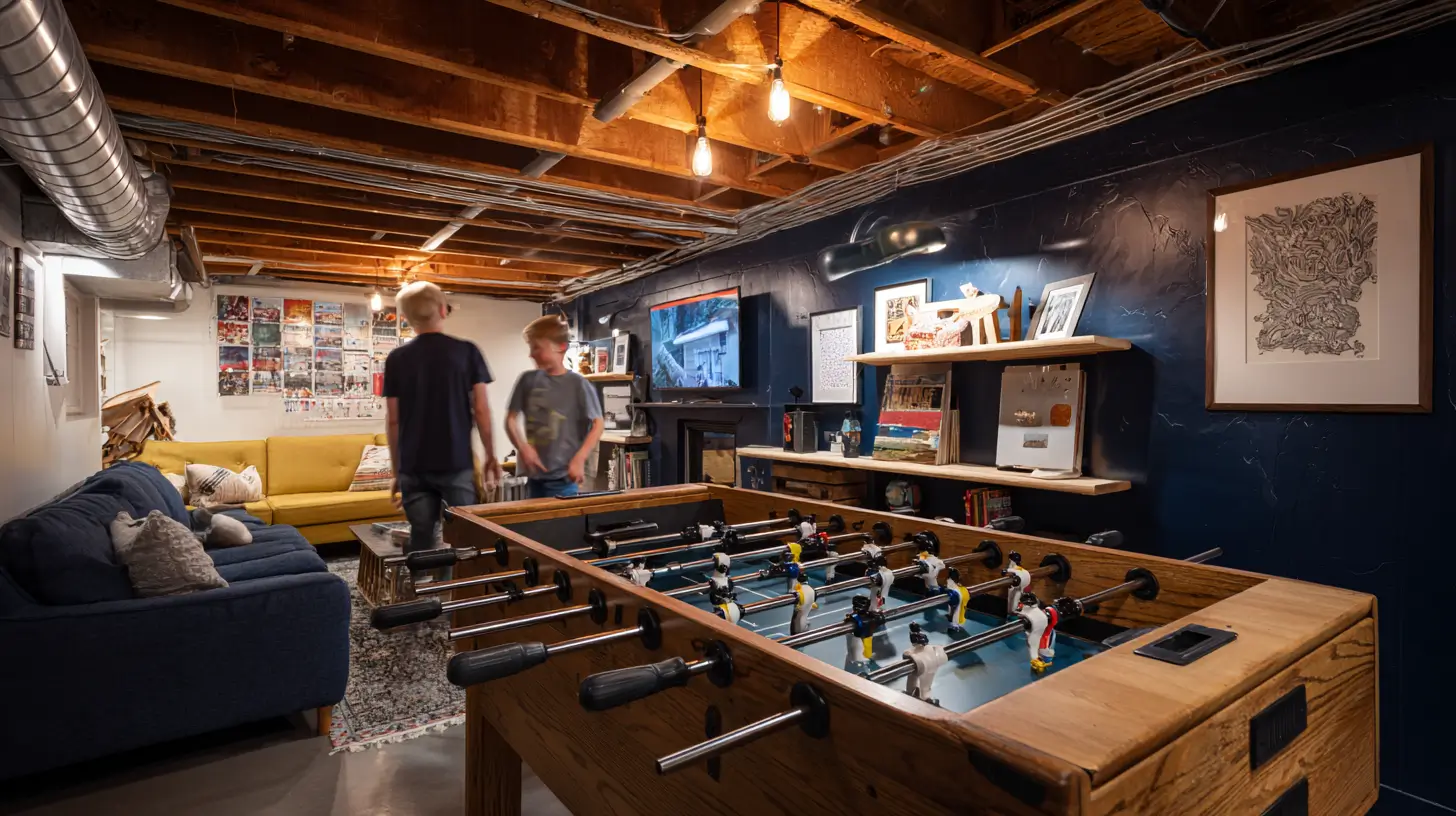
For a lot of Denver homeowners, the basement is the most underused square footage in the house. It stores holiday decorations, old furniture, and gym equipment that never gets used -- and that's about it. But an unfinished basement is also one of the biggest opportunities to add livable space, real functionality, and meaningful value to your home without moving, adding an addition, or dramatically disrupting your daily life.
Basement finishing in Denver has become one of the most popular renovation projects we see, and for good reason. Done right, it transforms dead square footage into your home's most versatile room. Done wrong, it creates moisture problems, code headaches, and a space nobody wants to spend time in.
Here's what you need to know before you start.
Why Denver Basements Are Worth Finishing
Denver's climate makes basements more livable than in many other parts of the country. You're not fighting the extreme humidity of the South or the aggressive moisture intrusion common in coastal climates. Colorado's dry air works in your favor -- as long as you address the basics correctly upfront, a finished Denver basement can be a comfortable, functional space year-round.
From a value standpoint, finished basements consistently rank among the highest-ROI home improvement projects. In a market like Denver where square footage is expensive, adding 600 to 1,500 square feet of finished living space for a fraction of the cost of an addition or new construction makes serious financial sense -- whether you're planning to stay or sell. If you're looking for inspiration on how to use the space, check out five creative ways to turn your basement into a functional space.
What Can You Do With a Finished Basement?
The short answer is almost anything. The most common uses we see in Denver homes include:
A family room or entertainment space is the most popular choice -- a dedicated area for movie nights, game days, or just a place for the kids to spread out without taking over the main floor. Add a wet bar and you've got a space that earns its keep every weekend.
A home office or studio has become increasingly practical as more Denverites work remotely. A basement office gives you separation from the rest of the house, better temperature control in summer, and a quiet environment that's hard to achieve on the main floors.
A guest suite or in-law space is another top use, especially for multigenerational households. A basement bedroom with an egress window and a full bathroom gives guests or family members genuine privacy. If you're weighing a basement conversion against a larger addition, it's worth reading our breakdown of ADU vs. home addition to understand which makes more sense for your property.
A home gym is a natural fit -- the concrete subfloor handles heavy equipment well, the lower level stays cooler in summer, and the separation from living areas means you're not listening to weights drop from the kitchen.
A rental unit or ADU is possible in some cases depending on your zoning, lot configuration, and local regulations. This is a more involved conversion but one that can generate ongoing income. Learn more about Denver's new ADU rules before you start planning.
The Basics You Can't Skip
Before you start picking out flooring and paint colors, there are a few foundational elements that have to be right. Skipping or cutting corners on any of these is how you end up with a beautiful finished basement that develops moisture problems two years later.
Moisture assessment comes first. Even in Colorado's dry climate, basements can have moisture issues -- particularly in older Denver homes or properties with grading that directs water toward the foundation. Before framing goes up, your contractor should assess the current moisture situation and address any issues at the source. This might mean improving exterior drainage, applying a vapor barrier, or in some cases waterproofing the walls.
Egress windows are required by code for any basement bedroom. An egress window is large enough for a person to escape through in an emergency, and it also brings in natural light that makes the space feel less like a basement. If you're planning a sleeping space down there, budget for egress window installation from the start.
Ceiling height matters more than people expect. Denver building code requires a minimum ceiling height for finished habitable space, and many older basements fall right at or just below that threshold. Your contractor needs to measure and confirm clearance before you finalize the design. If you're tight on height, there are design approaches that help -- exposed mechanical, recessed lighting, and strategic material choices can all make a lower ceiling feel more intentional. While you're planning the space, it's also worth thinking about built-in storage ideas that actually improve your home.
Permits and inspections are non-negotiable. Any legitimate basement finish in Denver requires permits. The inspections that follow -- framing, rough mechanical, insulation, final -- are what ensure the space is safe, code-compliant, and insurable. A basement finished without permits creates real problems at resale and may require expensive remediation before you can close on a sale. It helps to understand how plumbing and electrical affect the price of your remodel before you finalize your budget.
What Does a Basement Finish Cost in Denver?
Costs vary significantly depending on the size of the space, what you're building, and the quality of the finishes. A basic basement finish -- drywall, flooring, lighting, one bathroom -- in Denver typically runs between $30,000 and $60,000 for a mid-size space. A fully custom build with high-end finishes, a wet bar, a home theater setup, and a full bath will push higher.
The variables that most affect cost are plumbing (adding a bathroom or wet bar requires running new lines, which adds significant cost), ceiling height remediation if needed, egress window installation, and finish quality. An honest contractor will walk you through each of these line items and help you understand where to invest and where it's fine to save. For comparison on what other major projects run in Denver, see our guide on how much a Denver kitchen remodel costs in 2026.
How Long Does a Basement Finish Take?
For a typical Denver basement finish, expect the project to take eight to fourteen weeks from permit approval to final walkthrough. That timeline includes framing, rough mechanical (plumbing, electrical, HVAC), insulation, drywall, finish work, and final inspections.
Permit approval timelines in Denver can add two to six weeks before physical work begins, so plan accordingly. If you want the space done by a specific date, work backward from there and start conversations with contractors earlier than you think you need to.
Choosing the Right Contractor for Your Basement Finish
A basement finish involves more trades than most homeowners expect -- framing, electrical, plumbing, HVAC, insulation, drywall, flooring, and tile all typically come into play. That's why working with an experienced general contractor who manages subcontractors on your behalf is almost always the right call. Trying to coordinate individual trades yourself on a project this complex adds stress and creates gaps in accountability.
Ask any contractor you're considering whether they pull permits, how they handle inspections, and whether they've finished basements in Denver specifically. Local experience matters here -- Denver's building department has its own processes, and a contractor who knows the system moves faster and hits fewer snags. Not sure what to look for? Read our guide on what to look for when hiring a general contractor in Denver.
Ready to Stop Storing Holiday Decorations Down There?
If your basement has been sitting unfinished for years, you're not alone -- but you are leaving real money and real livability on the table. Denver Dream Builders has been finishing basements across Denver for over 20 years, and we'd love to take a look at your space and tell you honestly what's possible.