
How Much Does a Denver Kitchen Remodel Cost in 2026?
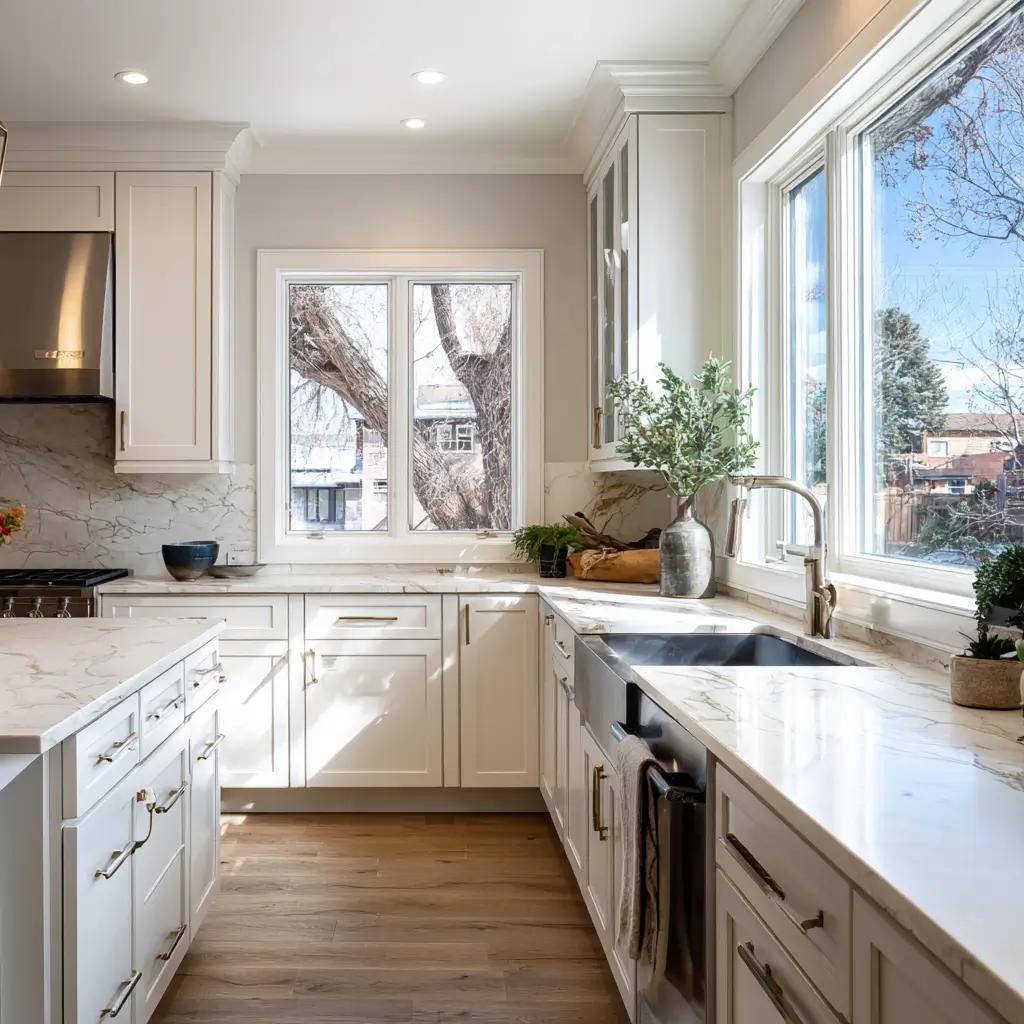
Kitchen remodel costs in Denver vary widely—and for good reason. A kitchen isn’t a single decision; it’s a collection of choices that affect layout, durability, function, and long-term value.
In this guide, we’ll break down realistic Denver kitchen remodel costs, what actually drives pricing, where homeowners overspend (and where they shouldn’t), and how to plan a kitchen remodel that fits both your home and your budget in 2026.
No fluff. Just clear numbers (general on average estimates), real tradeoffs, and practical guidance.
Average Kitchen Remodel Costs in Denver
Most Denver kitchen remodels fall into one of three general tiers:
Minor Kitchen Remodel
$20,000 – $35,000
Typically includes:
- Cabinet refacing or limited cabinet replacement
- New countertops
- Updated sink, faucet, and lighting
- Appliance upgrades without layout changes
- Minimal electrical or plumbing work
Best for homes where the layout works and cabinets are structurally sound.
Mid-Range Kitchen Remodel
$35,000 – $65,000
This is the most common range for Denver homeowners.
Often includes:
- Full cabinet replacement
- New countertops and backsplash
- Updated flooring
- New appliances
- Improved lighting plan
- Minor layout adjustments
This tier balances function, durability, and resale value.
High-End or Full Kitchen Remodel
$65,000 – $100,000+
Includes:
- Custom or semi-custom cabinetry
- Structural or layout changes
- Upgraded electrical and plumbing
- Premium appliances
- High-end materials and finishes
- Detailed design and project management
Often paired with open-concept conversions or whole-main-floor updates.
What Actually Drives Kitchen Remodel Costs in Denver
Kitchen remodel pricing isn’t arbitrary. A few factors consistently have the biggest impact.
1. Cabinetry (Your Largest Cost Driver)
Cabinets typically account for 25–40% of a kitchen remodel budget.
- Stock cabinets: lowest cost, limited flexibility
- Semi-custom: best balance of quality and price
- Custom: highest cost, full design control
Cabinet layout changes increase costs quickly because they often trigger plumbing, electrical, and drywall work.
2. Layout Changes vs. Existing Footprint
Keeping plumbing and major appliances in place saves money.
Costs rise when you:
- Move sinks or gas lines
- Remove or add walls
- Change window or door placements
Layout changes aren’t bad—but they should be intentional and justified by function, not trend-chasing.
3. Appliances and Mechanical Work
Appliance costs vary widely, but installation matters just as much.
- Electrical panel upgrades may be required
- Venting for ranges or hoods adds labor
- Gas line modifications increase complexity
Older Denver homes often require code updates that aren’t visible until planning begins.
4. Countertops, Flooring, and Finishes
Material choices affect both cost and longevity.
- Quartz and stone remain popular for durability
- Tile and hardwood pricing varies by installation complexity
- Backsplash design can add labor even with modest materials
The goal isn’t luxury for its own sake—it’s materials that wear well over time.
Permits and Code Requirements in Denver
Most kitchen remodels in Denver require permits, especially if they involve:
- Electrical changes
- Plumbing modifications
- Structural adjustments
Permit costs are relatively small compared to the overall budget, but skipping them can cause problems later—especially during resale.
Working with a contractor familiar with Denver permitting helps avoid delays and rework.
How Long Does a Denver Kitchen Remodel Take?
Timelines vary by scope, but typical ranges include:
- Minor remodel: 4–6 weeks
- Mid-range remodel: 6–10 weeks
- Full remodel or layout change: 10–14+ weeks
Planning and material lead times often matter more than construction speed. Cabinets, appliances, and specialty materials should be selected early to avoid downtime.
Kitchen Remodel ROI in the Denver Market
Kitchens consistently rank among the highest-return home improvements.
While ROI varies by neighborhood and price point, kitchens that:
- Improve layout and storage
- Use durable, neutral materials
- Upgrade lighting and functionality
tend to hold value well in Denver’s housing market.
Overbuilding—using ultra-luxury finishes in mid-range homes—rarely pays off. Balance matters.
Where Homeowners Commonly Overspend (and Underspend)
Common Overspending Areas
- Trend-driven finishes that date quickly
- Over-customized cabinetry
- Appliances that exceed the home’s value tier
Smart Investment Areas
- Cabinet quality and storage design
- Lighting layout (not just fixtures)
- Durable countertops and flooring
- Professional project management
A well-planned kitchen feels better to use every day—and avoids expensive corrections later.
Should You Remodel Before Selling?
In many Denver neighborhoods, a dated kitchen can limit buyer interest.
A mid-range remodel often provides the best balance between cost and resale impact. However, every home is different. Sometimes small, targeted updates deliver better results than a full renovation.
A contractor familiar with Denver’s resale market can help guide that decision.
Why Work With DDB for Kitchen Remodels
Kitchen remodels involve more coordination than most homeowners expect. Design, permits, trades, materials, and scheduling all intersect in a tight space.
We approach kitchen remodels with:
- Clear planning before construction
- Transparent pricing and scope
- Practical design guidance
- Consistent communication throughout the build
Our goal is a kitchen that works better—not just one that looks good on day one.
Final Thoughts
There’s no single “right” price for a Denver kitchen remodel in 2026. Costs depend on layout, materials, home condition, and priorities.
The best kitchens aren’t defined by trends or price tags. They’re defined by smart decisions, durable construction, and thoughtful planning.
If you’re considering a kitchen remodel and want realistic numbers—not sales talk—Denver Dream Builders is here to help you plan it the right way.