
Your Guide to Home Conversions
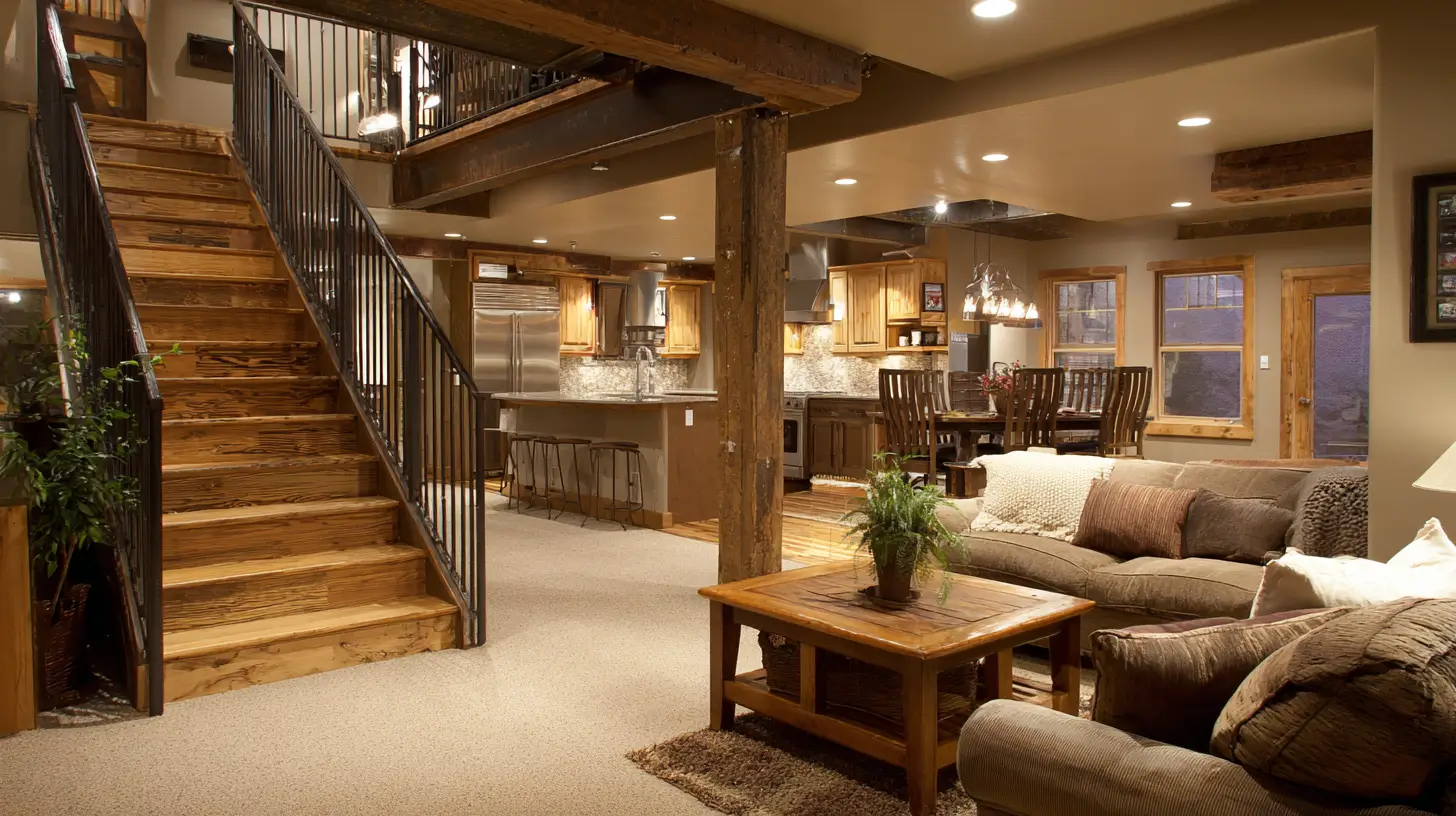
Most homes have space that isn’t pulling its weight.
It might be a garage that holds more boxes than cars, a basement that never quite feels finished, or an attic that exists only as storage because it’s awkward to reach. In other cases, it’s not a single room at all, but a layout that no longer works for how the home is actually lived in.
That’s where home conversions come in.
A conversion isn’t about decorating or upgrading finishes. It’s about changing how a space functions—often taking something that was never designed for daily living and turning it into space that feels intentional, comfortable, and fully integrated into the home.
This guide walks through what conversions really are, what can be converted, what’s involved behind the walls, and why some conversions succeed while others become expensive lessons.
What a Home Conversion Really Is
A home conversion sits somewhere between a remodel and an addition.
Unlike a remodel, you’re not improving an existing living space—you’re creating livable space where there wasn’t any before. And unlike an addition, you’re not expanding the footprint of the home; you’re working within what already exists.
That distinction matters, because conversions almost always involve more than surface-level changes. They tend to trigger structural, mechanical, and code requirements that homeowners don’t encounter in typical remodels.
A successful conversion addresses:
- whether the structure can support living use
- how the space will be heated, cooled, and ventilated
- how moisture, insulation, and sound will be managed
- how people enter, exit, and move through the space safely
When conversions go wrong, it’s usually because one of those fundamentals was ignored early on.
Garage Conversions: The Most Popular—and Most Misunderstood
Garage conversions are often the first thing homeowners consider, especially in cities where lot size limits additions.
On paper, garages seem ideal. They’re already enclosed, they sit at grade, and they often have generous square footage. In reality, they’re designed very differently from living space.
Most garages lack proper insulation, have uninsulated slabs, minimal electrical capacity, and specific fire-separation requirements that don’t apply elsewhere in the home. Ceiling height and door openings also affect what the space can realistically become.
When done well, garage conversions can become offices, guest rooms, studios, or family spaces that feel like they were always part of the house. When rushed, they feel cold, echoey, or disconnected.
The difference is rarely the finishes—it’s the planning.
Basement Conversions: Turning Square Footage Into Real Living Space
Basements are common conversion candidates because the square footage already exists, but they come with their own constraints.
Ceiling height, egress requirements, moisture management, and ventilation all play an outsized role in whether a basement conversion feels livable or cave-like. Older homes often require window modifications or stair adjustments to meet code, especially if bedrooms are involved.
When those issues are handled correctly, basements become some of the most flexible spaces in a home—capable of housing offices, guest rooms, media spaces, or secondary living areas without disrupting the main floor.
Basement conversions reward careful execution and punish shortcuts more than almost any other type.
Attic and Loft Conversions: The Most Character, the Most Constraints
Attics tend to intimidate homeowners because of sloped ceilings, limited access, and structural uncertainty. But when an attic can be converted, it often becomes the most distinctive space in the home.
The key challenges are access, headroom, insulation, and structural reinforcement. Stairs alone can determine whether an attic conversion is feasible. Roof framing and load paths often need to be evaluated before design decisions are made.
The payoff is a space that feels separate, quiet, and purpose-built—ideal for offices, guest rooms, or creative spaces.
Attic conversions aren’t common because they’re easy. They’re valuable because they’re intentional.
The Conversions People Don’t Always Think About
Not all conversions are obvious.
Bonus rooms above garages, oversized laundry rooms, enclosed porches, and sunrooms are frequently underutilized simply because they were never designed with year-round use in mind. With insulation, structural reinforcement, and proper mechanical systems, these spaces can become some of the most functional rooms in a home.
Even circulation spaces—hallways, stairwells, and awkward transitions—can be converted in a sense. Reworking stairs, removing load-bearing walls, or adjusting ceiling volumes can dramatically change how square footage is experienced without adding a single room.
These conversions don’t show up on floor plans as “new space,” but they often have the biggest day-to-day impact.
Structural Conversions: Changing How the House Works
Some conversions don’t involve adding rooms at all. They involve changing how the house behaves.
Removing or modifying load-bearing walls, reworking staircases, or adjusting ceiling heights are all forms of conversion. They take space that technically exists but doesn’t function well and make it usable.
These projects require structural planning and coordination across trades. They’re also where experienced general contracting matters most, because mistakes here affect the entire home—not just one room.
Outdoor and Detached Structure Conversions
In some cases, conversion opportunities exist outside the main structure.
Detached garages, sheds, barns, and other outbuildings can sometimes be converted into studios, offices, or guest spaces. These projects are heavily influenced by zoning, access to utilities, and structural condition, but when feasible, they allow homeowners to create separation without expanding the primary residence.
These conversions are rarely simple, but they can be highly effective when approached realistically.
The Oddball Conversions (Yes, They Happen)
Not all conversions start with traditional buildings.
People have attempted to convert shipping containers, rail cars, buses, and trailers into livable space. While these projects are often driven by creativity, they’re usually constrained by permitting, insulation challenges, condensation, and structural retrofitting.
Some succeed as novelty spaces or studios. Very few succeed as primary living areas.
The lesson isn’t that they’re impossible—it’s that conversion feasibility matters more than originality.-- We don't say that to stress you out, or rain on your parade, we just say talk to someone, (or us) before getting too far down the rabbit hole. We've even been asked about converting train cars!
What Every Conversion Has in Common
No matter what’s being converted—garage, basement, attic, porch, or something stranger—successful projects address the same fundamentals.
The space must be structurally sound. It must meet code for its intended use. It must be insulated and protected from moisture. It must connect logically to the rest of the home. And it must be comfortable to occupy for extended periods of time.
When any one of those is skipped, problems don’t always show up immediately—but they do show up.
Cost Reality: Why Conversions Don’t Have Simple Price Tags
Homeowners often ask for average conversion costs, but conversions resist averages.
Two garages on the same street can differ dramatically in slab insulation, ceiling height, electrical capacity, and structural requirements. Basements vary by moisture conditions and access. Attics vary by framing and roof geometry.
That’s why responsible conversion planning starts with evaluation, not estimates.
Why Experience Matters in Conversion Work
Conversions live in the gray area between design, engineering, and construction. They require judgment as much as skill.
That’s why teams like Denver Dream Builders approach conversions cautiously and methodically—helping homeowners understand what’s realistic before committing to solutions that don’t work long-term.
A good conversion doesn’t just add space. It adds usefulness, comfort, and longevity to the home.
Final Thoughts
If a space exists, there’s a good chance it can be converted—but not every conversion is worth doing, and not every space should be pushed beyond what it can reasonably become.
The best conversions aren’t defined by creativity alone. They’re defined by restraint, planning, and execution.
When done well, a conversion doesn’t feel like a project at all. It feels like the home finally started making sense.
If you're curious to find out if a conversion or ADU would be better for your space, check out this article here.