
What to Expect When Building a Custom Home in Denver: A Timeline Breakdown
Building a custom home is one of the most exciting and overwhelming things you can do. There are a lot of moving parts, and if you've never been through the process before, it can be hard to know what to expect, when to expect it, and how long everything actually takes.
The honest answer is that timelines vary. A lot depends on the complexity of the design, the size of the lot, the permitting timeline in your specific jurisdiction, and how quickly decisions get made along the way. That said, most custom home builds in the Denver area follow a fairly predictable sequence, and knowing that sequence can help you plan your life around the project — rather than feeling like the project is constantly catching you off guard.
Here's a realistic breakdown of what the custom home building process looks like from start to finish.
Phase 1: Design and Pre-Planning (1 to 3 Months)
Everything starts before a single piece of ground is broken. The design and pre-planning phase is where the foundation of your project gets laid — not literally, but in terms of vision, scope, and feasibility.
During this phase, you'll work with your builder and design team to develop a floor plan, establish a budget, choose your lot if you haven't already, and start making the big decisions: how many bedrooms, what kind of kitchen, whether you want a finished basement, how the home will sit on the land. This is also when your builder will do a site assessment to understand the soil conditions, slope, drainage, and any other factors that will affect the build.
It's worth taking your time here. Decisions made in the design phase are far less expensive to change than decisions made once framing has started. The more clarity you can bring to the table early on, the smoother everything that follows will be.
One thing Denver homeowners should know: building on a sloped or complex lot -- which is common in many Denver neighborhoods and in the foothills -- adds time and cost to this phase. A thorough site assessment upfront can prevent surprises later.
Phase 2: Permitting (1 to 3 Months)
Permitting is the phase that surprises most first-time custom home builders. Many people assume you design the home, then you build it. In reality, there's a significant pause in between while your plans are reviewed and approved by the local municipality.
In Denver and the surrounding areas, the permitting process typically takes anywhere from four weeks to three months, depending on the complexity of the project and the current volume at the permit office. More complex builds -- those with unusual structural elements, steep lot conditions, or homes in certain historic districts -- can take longer.
A good builder will submit your permit application as soon as your plans are finalized and will follow up proactively with the city to keep things moving. At Denver Dream Builders, we handle permitting on every full-scope project we take on, which means you don't have to navigate that process yourself.
One important note: do not let anyone talk you into starting construction before permits are issued. Building without permits creates serious problems at resale and can result in costly stop-work orders. There are no shortcuts worth taking here.
Phase 3: Site Preparation and Foundation (3 to 6 Weeks)
Once permits are in hand, the physical work begins. Site preparation involves clearing the land, grading, and excavating for the foundation. If the lot has significant trees, existing structures, or challenging terrain, this phase takes longer.
The foundation is the most critical structural element of your home, and it deserves the time it takes. In Colorado, most custom homes use either a poured concrete foundation or a crawl space depending on the soil conditions and design. After the concrete is poured, it needs time to cure properly before framing can begin -- rushing this step creates structural problems down the line.
Depending on the season, weather can also play a role here. Denver's winters can slow concrete work, which is one reason spring is a popular time to break ground on new builds.
Phase 4: Framing (4 to 8 Weeks)
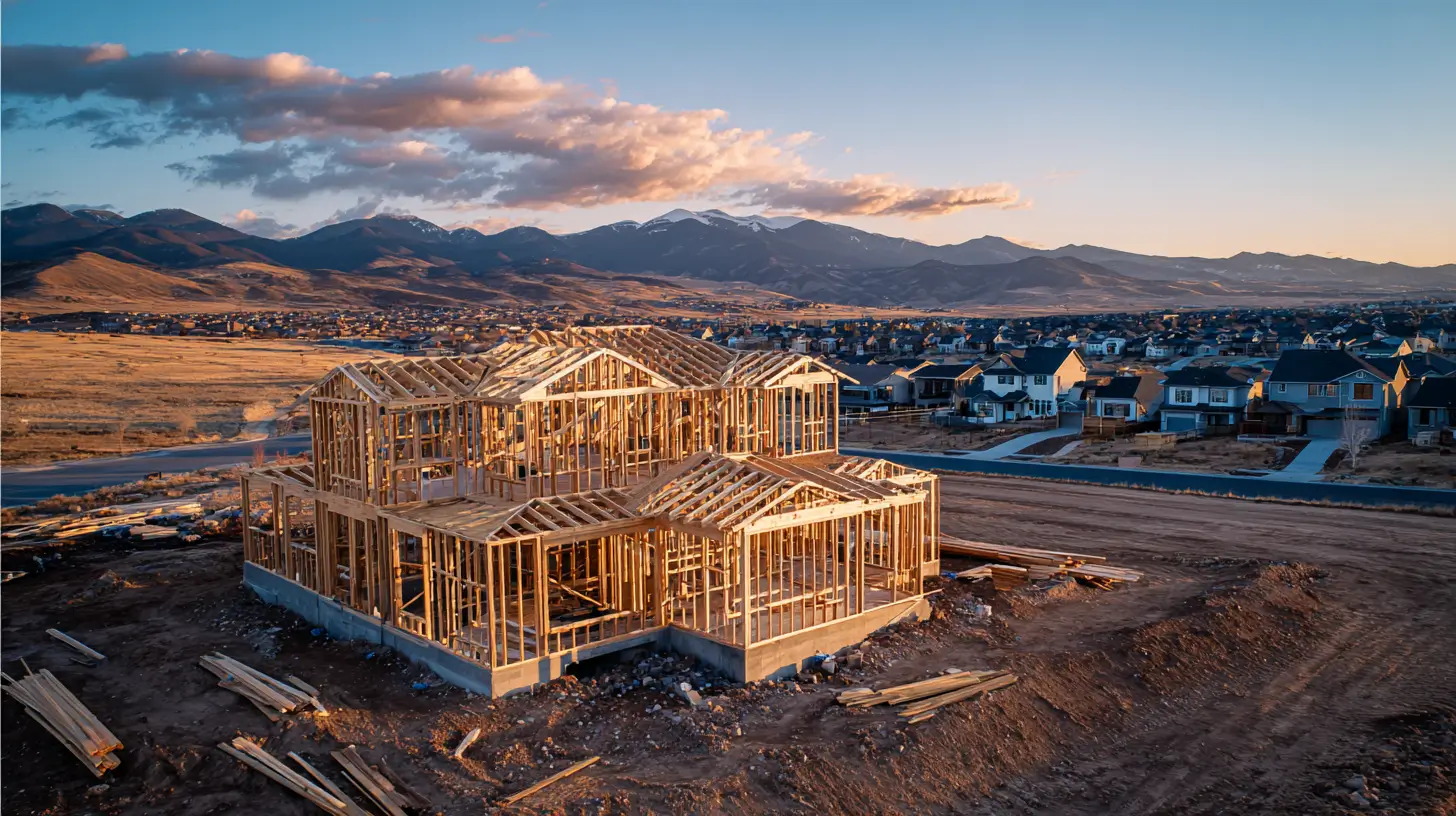
Framing is when your home starts to look like a home. This is the phase where the skeleton of the structure goes up -- the walls, floors, and roof system that define the shape and layout of your house.
It's also one of the most exciting phases for homeowners to visit the site. Walking through the framed structure for the first time, seeing the rooms take shape and the views from where the windows will be, is one of those moments that makes the whole process feel real.
The timeline for framing depends on the size and complexity of the home. A straightforward single-story build can be framed in four to six weeks. A larger two-story with complex rooflines or unique architectural features will take longer.
Phase 5: Mechanical Rough-In -- Plumbing, Electrical, and HVAC (4 to 6 Weeks)
After framing, the mechanical systems go in before the walls are closed up. This includes rough plumbing (the pipes that will supply water and carry waste), rough electrical (wiring, panel installation, junction boxes), and HVAC ductwork.
This phase involves multiple trades working in sequence or sometimes simultaneously, and it requires coordination. The plumbers need to finish certain work before the HVAC team can proceed, and the electrician needs the framing to be complete before running wire. A builder with strong subcontractor relationships keeps this moving efficiently.
Each of these systems will be inspected before the walls are closed, which is another point where your local municipality plays a role in the timeline.
Phase 6: Insulation and Drywall (3 to 5 Weeks)
Once mechanical rough-in is inspected and approved, insulation goes in and the walls get closed. In Colorado, insulation choices matter -- the climate demands a well-insulated building envelope, and this is not the place to cut corners.
Drywall installation and finishing involves hanging, taping, mudding, and sanding -- a multi-step process that takes longer than most people expect. Each coat of mud needs to dry before the next is applied, and the finishing process can take several weeks when done properly.
Phase 7: Interior Finishes (6 to 12 Weeks)
This is the longest phase and the one with the most decisions. Interior finishes include flooring, cabinetry, countertops, tile work, interior doors and trim, paint, lighting fixtures, plumbing fixtures, and hardware. Everything that makes your house feel like your home gets installed during this phase.
The timeline here is directly affected by how quickly decisions are made and how readily materials are available. If you've selected custom cabinetry or specialty tile with a long lead time, those items need to be ordered well in advance. A good builder will help you identify long-lead items during the design phase so they're ready when you need them.
Phase 8: Final Inspections, Punch List, and Certificate of Occupancy (2 to 4 Weeks)
The final stretch involves a series of inspections by the local building department to confirm everything has been built to code. Once those are passed, you'll do a walkthrough with your builder to identify any punch list items -- small things that need to be corrected or completed before you move in.
After the punch list is resolved, you'll receive your Certificate of Occupancy, and the home is officially yours.
Total Timeline: What to Realistically Expect
For most custom home builds in the Denver area, the full process from initial design consultation to move-in day takes between 12 and 18 months. Simpler builds on straightforward lots can come in closer to 12 months. Larger, more complex homes or projects with challenging site conditions may run longer.
The most important thing you can do to protect your timeline is to make decisions quickly, communicate openly with your builder, and work with a team that is proactive about managing the process on your behalf.
Working With Denver Dream Builders
At Denver Dream Builders, we've been guiding homeowners through custom builds and major renovations in the Denver area for over 20 years. We're transparent about timelines from day one, we handle permitting so you don't have to, and we back our commitments with a $200 per day guarantee if we ever cause a delay.
If you're thinking about building a custom home in Denver and want to understand what the process would look like for your specific situation, reach out to us at here. The conversation is free, and there's no obligation. We'd love to help you figure out if now is the right time to build.