
Textures That Change How Your Kitchen Feels (Not Just How It Looks)
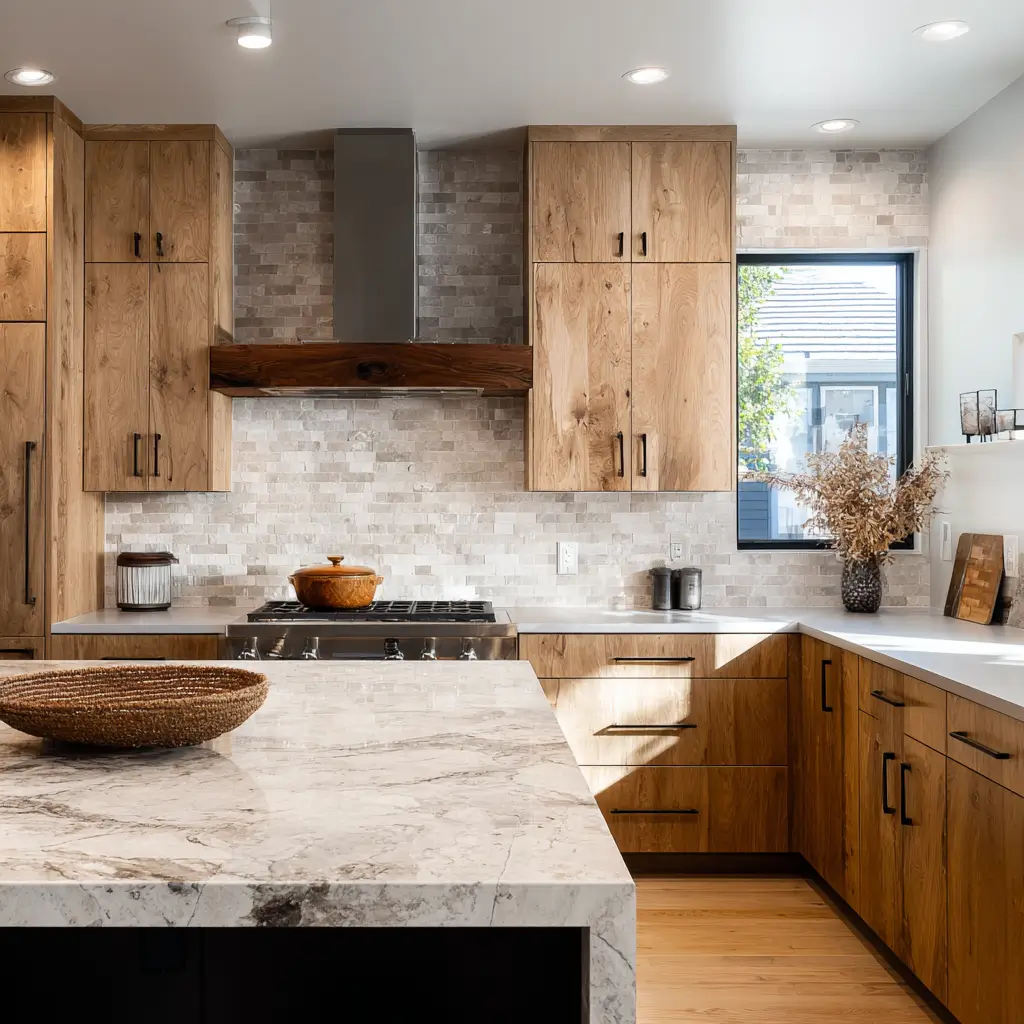
When homeowners talk about a kitchen remodel, the conversation usually starts with layouts, colors, and appliances. What gets missed—almost every time—is texture.
Texture doesn’t show up on a floor plan. It doesn’t jump out in a materials list. But it’s the difference between a kitchen that feels calm and one that feels cold, between a space that settles in over time and one that feels harsh no matter how well it’s staged.
In Denver homes especially—where kitchens often serve as the center of open-concept living—texture plays a bigger role than most people realize. It affects how sound travels, how light behaves, how materials age, and how comfortable the room feels when it’s actually being used.
This guide breaks down the kitchen textures that truly change the feeling of a space, why they matter during a remodel, and how to use them intentionally rather than accidentally.
Why Texture Matters in a Kitchen Remodel
Kitchens are, by default, hard rooms.
They’re filled with stone, tile, cabinetry, appliances, and large flat surfaces. When everything is smooth and reflective, the room amplifies sound, glare, and visual noise. That’s why some kitchens look beautiful in photos but feel uncomfortable in daily life.
Texture solves that problem quietly.
By introducing subtle variation—through wood grain, matte finishes, stone treatments, or surface depth—you soften the space without cluttering it. The kitchen feels warmer, quieter, and more balanced, even if the color palette stays neutral.
From an SEO and planning perspective, this is where many kitchen remodels in Denver miss the mark: materials are chosen individually, not as a system. Texture forces you to think holistically.
Wood Grain: Adding Warmth Without Making It Rustic
Wood is one of the most powerful textural tools in a kitchen remodel, but it’s also one of the easiest to misuse.
When done well, wood grain introduces warmth and variation that offsets stone and metal finishes. It helps a kitchen feel grounded and lived-in—especially in modern or transitional homes.
Rather than using wood everywhere, the most effective approach is targeted use:
- A wood island base
- Floating shelves
- Ceiling beams
- Accent panels or trim details
These elements break up large flat surfaces without overpowering the room.
What matters most is how the wood is milled and finished. Rift-sawn and quarter-sawn woods provide consistent grain patterns that feel refined rather than busy. Natural finishes that allow grain variation to show tend to age better than heavily stained or overly distressed options.
In Denver kitchen remodels, this balance is key. Homes often blend modern layouts with traditional architecture, and wood grain bridges that gap naturally.
Stone Texture: Honed, Leathered, and the Way Light Behaves
Stone is often treated as a purely visual decision, but its texture changes how the entire kitchen functions.
Polished stone reflects light aggressively. In bright kitchens with lots of windows, this can create glare, highlight fingerprints, and make surfaces feel colder than intended.
Honed or leathered stone, on the other hand, absorbs light. The surface feels softer both visually and physically. Reflections are muted, imperfections are less obvious, and the kitchen feels calmer overall.
This choice becomes especially important in open kitchens where countertops are visible from living and dining areas. Matte stone finishes don’t compete for attention—they support the space.
From a long-term perspective, textured stone also hides wear better, which matters in kitchens designed for daily use rather than show.
Cabinet Finishes: Texture Without Visual Noise
Cabinetry occupies more visual real estate than almost any other element in a kitchen. That makes its texture critical.
High-gloss cabinets often look clean at installation but reveal every fingerprint, scratch, and lighting reflection. Over time, they tend to feel dated faster.
Matte and satin finishes introduce subtle texture that:
- Reduces glare from overhead lighting
- Softens large cabinet runs
- Feels more architectural and intentional
Texture here doesn’t mean heavy detail. Flat-panel doors with a soft finish often feel more refined than ornate profiles with glossy paint.
In kitchen remodeling, this is where restraint pays off. Texture should support the layout, not dominate it.
Backsplashes: Controlled Texture in a High-Impact Area
The backsplash is one of the few places where texture can be introduced more boldly—but it still needs discipline.
Handmade tiles, subtle surface variation, or stacked layouts add depth without visual chaos. These textures catch light gently and keep walls from feeling flat, especially in kitchens with long runs of cabinetry.
The mistake many homeowners make is treating the backsplash as a feature wall. Busy patterns, high-contrast grout, or overly glossy tiles can quickly overwhelm the space and compete with countertops.
A well-textured backsplash supports the kitchen rather than stealing focus. It should feel intentional up close and quiet from a distance.
Ceiling Texture: The Surface Most Kitchens Ignore
Ceilings are often left flat and white by default, but in a kitchen remodel, that’s a missed opportunity.
Even subtle ceiling texture—such as wood beams, tongue-and-groove paneling, or architectural detailing—adds vertical depth and makes the space feel finished.
In open-concept Denver homes, ceiling texture helps define the kitchen without walls. It creates a sense of place while keeping sightlines open.
The key is restraint. Ceiling texture should be felt more than noticed.
Flooring Texture: The Most Physical Experience in the Room
Kitchen flooring texture affects how the room feels underfoot and how it performs day to day.
Highly polished floors may look clean initially, but they show wear quickly and can feel slick or unforgiving. Slight texture in flooring materials:
- Improves traction
- Reduces glare
- Hides scratches and daily wear
- Feels more comfortable over time
Textured flooring supports the idea that kitchens are working spaces, not display rooms.
Texture and Sound: The Benefit No One Talks About
One of the biggest advantages of texture is how it changes acoustics.
Hard, flat surfaces reflect sound. Texture absorbs and diffuses it. Wood, matte finishes, and surface variation help reduce echo and noise—especially in kitchens that open into living areas.
A kitchen that sounds quieter feels calmer, even when it’s busy. This matters more than most homeowners expect, and it’s something you can’t fix after the remodel is finished.
Why Textured Kitchens Age Better
Trends fade. Texture holds.
Kitchens designed with layered, honest materials tend to:
- Look better as they age
- Hide wear naturally
- Feel complete without constant styling updates
Smooth, high-gloss kitchens rely on perfection. Textured kitchens rely on balance.
From a long-term remodeling perspective, texture is one of the safest investments you can make.
Final Thought: Texture Is a Planning Decision, Not a Style Trend
Texture isn’t about making a kitchen rustic, modern, or trendy. It’s about how the space behaves when the remodel is over and real life moves back in.
When planning a kitchen remodel—especially in Denver’s climate and housing mix—texture should be discussed early, alongside layout and materials.
A well-textured kitchen doesn’t announce itself.
It simply feels right, every day.
Keep this in mind when you're thinking about your next kichen remodel.