
Kitchen Remodel Decisions That Affect Your Home Long After the Project Is Done
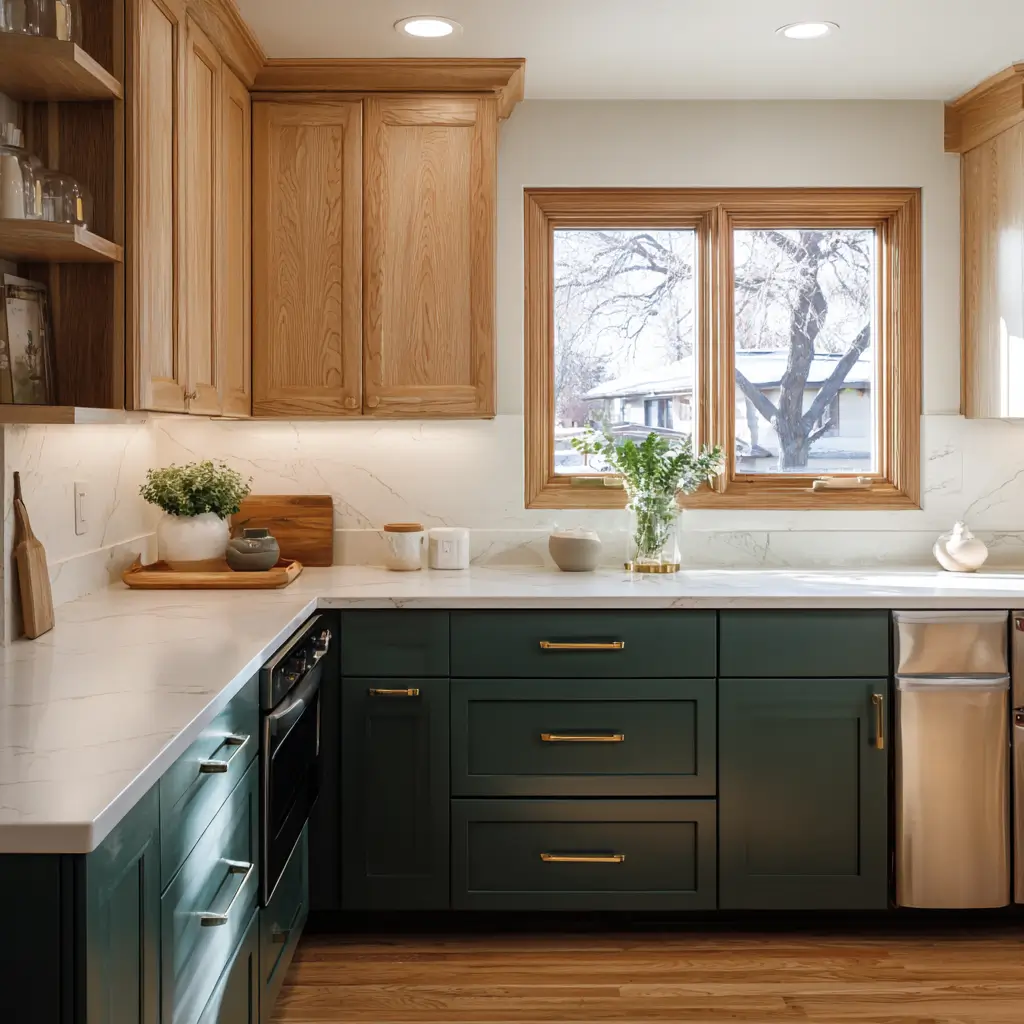
Kitchen remodels are often discussed in terms of finishes — cabinet colors, countertop materials, hardware styles. While those details matter, they are rarely what determine whether a kitchen works well five or ten years later.
The decisions that shape long-term performance are structural, spatial, and functional. They affect how the kitchen connects to the rest of the home, how storage evolves over time, and how flexible the space remains as needs change.
If you’re planning a kitchen remodel in Colorado, these are the decisions that deserve more attention than trends.
Layout Changes Are Harder to Reverse Than Finish Choices
Moving a sink, range, or refrigerator may not seem significant during planning. In reality, those moves often involve plumbing rerouting, electrical adjustments, ventilation changes, and structural coordination.
Once those systems are relocated, reversing course later becomes expensive and invasive.
Before committing to a layout shift, it’s worth evaluating:
- How the kitchen connects to adjacent spaces
- Traffic flow during daily routines
- Sightlines from living or dining areas
- Long-term flexibility if the home layout changes
Layout decisions shape the kitchen’s usability more than any finish ever will.
Storage Strategy Outlasts Cabinet Style
Cabinet color may change over time. Storage configuration is far more permanent.
The number and type of drawers, pantry placement, appliance garages, and deep storage areas determine whether a kitchen feels efficient or cluttered years later. Many homeowners focus on maximizing cabinet count rather than optimizing how storage is organized.
Well-planned storage considers:
- Daily-use items versus seasonal items
- Future appliance additions
- Clear counter space needs
- Aging-in-place accessibility
Storage that adapts to real use patterns often matters more than square footage alone.
Lighting Is One of the Hardest Things to Fix Later
Lighting is frequently underestimated during kitchen remodels.
Layered lighting — ambient, task, and accent — determines whether the kitchen feels functional at night or overly harsh. Recessed lighting placement, under-cabinet lighting, and fixture selection affect both usability and atmosphere.
Retrofitting lighting later can require drywall work, electrical updates, and patching that homeowners often want to avoid.
Planning lighting thoroughly during the remodel stage is far simpler than correcting it afterward.
Structural Changes Influence Adjacent Rooms
Opening walls to create an open-concept kitchen has become common, but structural modifications affect more than just the kitchen itself.
Removing load-bearing walls may require engineered beams. Ceiling heights may shift. HVAC and duct routing can be impacted. Even small structural changes can influence flooring transitions and trim continuity throughout the home.
Understanding these ripple effects before construction begins helps avoid unexpected scope expansion mid-project.
Appliance Placement Impacts Long-Term Flexibility
Appliances are replaced more frequently than cabinets or flooring.
Designing cabinetry and electrical layouts to accommodate future appliance upgrades reduces limitations down the road. For example, upgrading from a standard range to a larger model may require additional clearance, ventilation adjustments, or cabinet modifications.
Planning for flexibility during the remodel stage can extend the life of the kitchen design significantly.
Materials Matter — But Performance Matters More
Countertops, flooring, and cabinetry materials must perform well under daily use. In Colorado, humidity variation and temperature swings can affect certain materials differently.
Durability, maintenance requirements, and repairability should carry as much weight as aesthetic appeal. A material that looks strong in a showroom may behave differently under real kitchen conditions.
Balancing appearance with long-term performance helps avoid early replacement cycles.
Kitchen Remodels Influence Resale Value — But Thoughtfully
Kitchens are often cited as a major factor in resale value. However, over-customizing for short-term trends can limit broad appeal.
Neutral layouts with thoughtful storage, durable materials, and strong lighting tend to age better than heavily trend-driven designs. Buyers often respond more to functional improvements than bold finish choices.
Designing for flexibility protects both daily use and future marketability.
Final Thoughts
Kitchen remodels involve more than aesthetic updates. The most important decisions are the ones that shape how the space functions years after the project is complete.
By focusing on layout, storage, lighting, structural coordination, and material performance early, homeowners can create kitchens that remain practical and adaptable long after trends shift.
A successful kitchen remodel isn’t just about how it looks when finished — it’s about how it performs over time.