
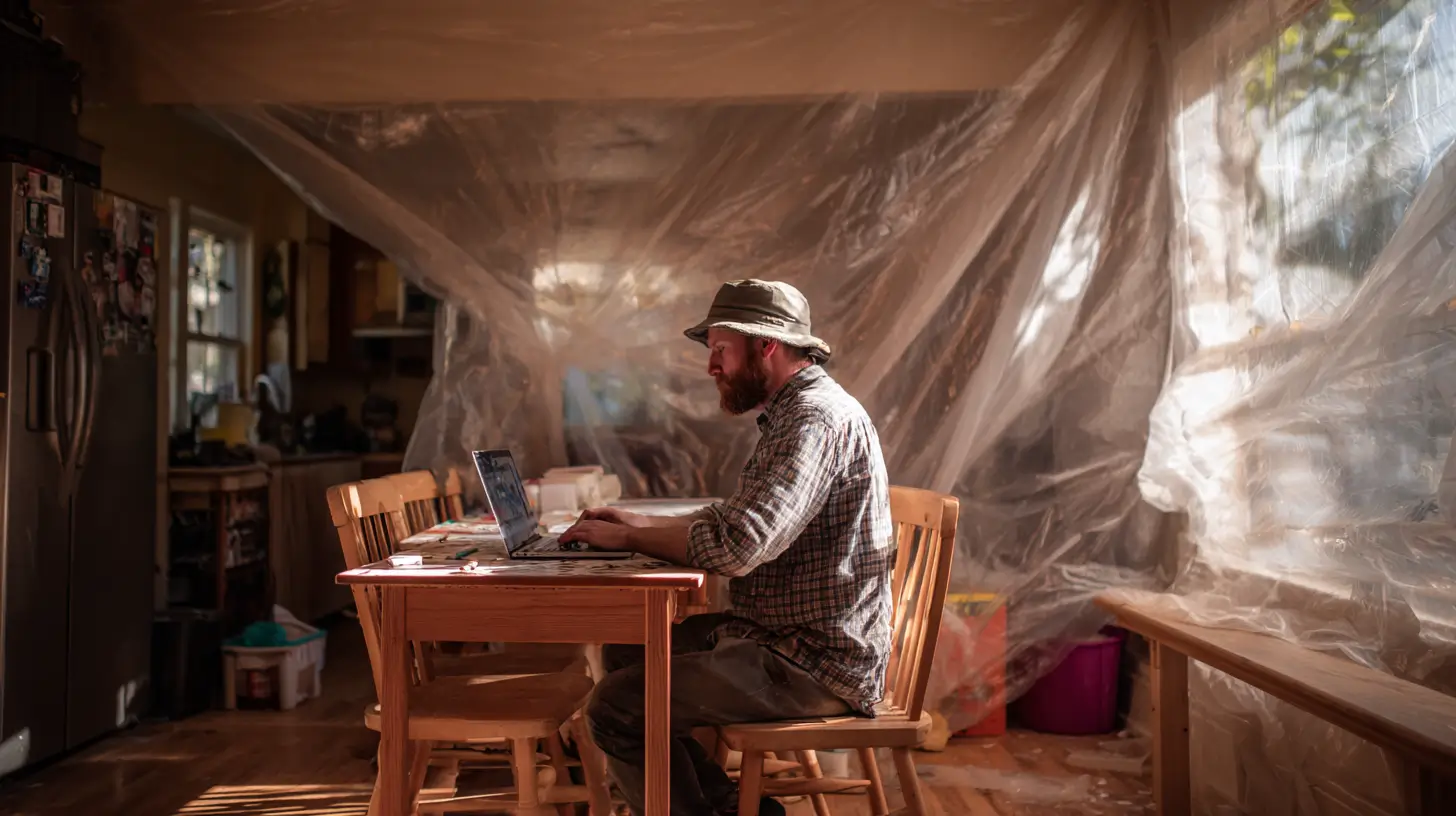
Living through a home remodel is one of those experiences that homeowners either handle well or remember as the most stressful thing they've ever done. The difference almost always comes down to preparation -- not the quality of your contractor or the complexity of the project, but how well you anticipated what daily life would look like with construction happening around you.
At Denver Dream Builders, we've guided hundreds of Denver homeowners through remodels of all sizes while they stayed in their homes. Here's what actually works.
Decide Early Whether Staying Makes Sense
Not every remodel is livable. A full gut kitchen renovation that takes eight weeks means two months without a functioning cooking space. A primary bathroom remodel means sharing a secondary bathroom with everyone in the household. A whole-home renovation may make staying genuinely impractical.
Before construction begins, have an honest conversation with your contractor about which phases of the project are most disruptive and what "livable" actually looks like week by week. For some projects, staying home is fine. For others, a short-term rental for the most disruptive two or three weeks -- even if you're home for the rest -- is the better call financially and emotionally.
Related: A homeowner's guide to living through kitchen and bathroom remodels
Set Up a Temporary Kitchen Before Demo Starts
If your kitchen is being remodeled, the single most important thing you can do before day one of construction is set up a temporary kitchen somewhere else in the home. This doesn't need to be elaborate -- a folding table, a microwave, a toaster oven, a coffee maker, and a mini fridge will cover 80% of what you actually need day to day.
Set it up in the dining room, a spare bedroom, the basement, or the garage. Stock it before demo begins so you're not scrambling on day two. Denver has excellent takeout and delivery options, but two months of nightly takeout adds up fast -- having even basic cooking capability keeps both your budget and your sanity intact.
Related: 20 projects to tackle during the contractor slow season
Protect the Rooms You're Living In
Dust is the most underestimated element of living through a remodel. Construction dust -- especially from drywall sanding -- travels farther and settles more pervasively than most people expect. It gets into HVAC systems, coats furniture, and takes weeks to fully clear after the work is done.
Before construction begins, work with your contractor to establish clear containment zones. Temporary plastic sheeting barriers between the work area and your living space, sealed HVAC vents in active construction zones, and daily cleanup expectations for the crew all make a real difference. Ask your contractor specifically what their dust containment protocol looks like -- a good one will have a clear answer.
Also remove or cover furniture, artwork, and valuables from adjacent rooms. You don't need to move everything out, but anything you care about should be protected before the first wall comes down.
Establish a Communication Rhythm With Your Contractor
When you're living in the same house as an active construction project, the line between homeowner and project manager can blur in ways that aren't healthy for either party. You'll be tempted to check in constantly, ask questions on the fly, and make decisions in the moment based on what you're seeing.
A better approach is to establish a regular check-in cadence with your project manager or contractor -- a brief daily or every-other-day update on what happened, what's coming next, and any decisions that need to be made. Keep decisions in that channel rather than catching the crew lead on the way out the door. This protects your project timeline, reduces misunderstandings, and keeps you informed without creating chaos.
Related: What to look for when hiring a general contractor in Denver
Plan for the Noise -- and Get Out When You Need To
Construction noise is relentless. Saws, nail guns, grinders, and hammers start early and run all day. If you work from home, this is a serious consideration. Even if you have a dedicated home office on the opposite end of the house from the work zone, certain phases -- demo, framing, tile installation -- are loud enough to make focused work genuinely difficult.
Give yourself permission to work from a coffee shop, library, or coworking space during the loudest phases. Denver has no shortage of options. Build the cost of that flexibility into your mental budget for the project -- it's a real expense of living through a remodel, and pretending it won't affect your workday creates unnecessary stress.
Keep Kids and Pets Out of the Work Zone
This sounds obvious but bears saying clearly: an active construction site inside your home is genuinely hazardous. Exposed nails, sharp debris, open subfloors, live electrical work, and heavy materials being moved around create real risks for children and pets who don't understand the boundaries.
Establish a firm rule that the construction zone is off-limits during work hours, and communicate that directly to your crew so they're keeping the barrier in place from their side as well. For pets especially, consider whether a daily doggy daycare or a friend's house during construction hours is worth the peace of mind.
Know That It Will Take Longer Than You Expect
Every remodel hits unexpected moments -- a decision that needs to be made, a material that's backordered, an inspection that takes longer to schedule than anticipated. Living in the home during construction means you experience every one of those moments directly, which amplifies the emotional weight of delays that would be abstract if you'd moved out.
The best way to prepare for this is to build buffer time into your expectations from the start. If your contractor says ten weeks, plan for twelve. If you have a hard deadline -- a family event, a school start date, a lease expiring -- communicate that to your contractor early and explicitly, so the schedule is built around it from the beginning.
Related: The real cost of waiting: why delaying your home remodel almost always costs more
Working With a Contractor Who Respects Your Home
The most important factor in a livable remodel experience is the crew itself. A contractor who treats your home with respect -- protecting surfaces, cleaning up at the end of each day, communicating proactively, and keeping the work zone contained -- makes the difference between a remodel you survive and one you look back on positively.
Ask any contractor you're interviewing how they manage active-occupancy projects specifically. It's a different kind of job than working in a vacant home, and contractors who do it well have specific protocols for it. At Denver Dream Builders, we've been doing occupied remodels across Denver for over 20 years and we take the disruption to your daily life seriously.
If you're planning a remodel and want to talk through what living through it would actually look like, reach out here for a free consultation.