
How Homeowners Actually Use Converted Spaces
What Works Long-Term—and What Often Doesn’t
When homeowners talk about conversions, they usually talk in room labels: garage conversion, finished basement, attic space. But people don’t live in labels. They live in routines.
The success of a home or room conversion has less to do with what the space is called and more to do with how it fits into daily life. Some converted spaces become the most used areas in a home. Others quietly turn into expensive storage.
This guide looks at how converted spaces are actually used over time—what works well, what causes friction, and why certain conversions perform better than others long after construction is finished.
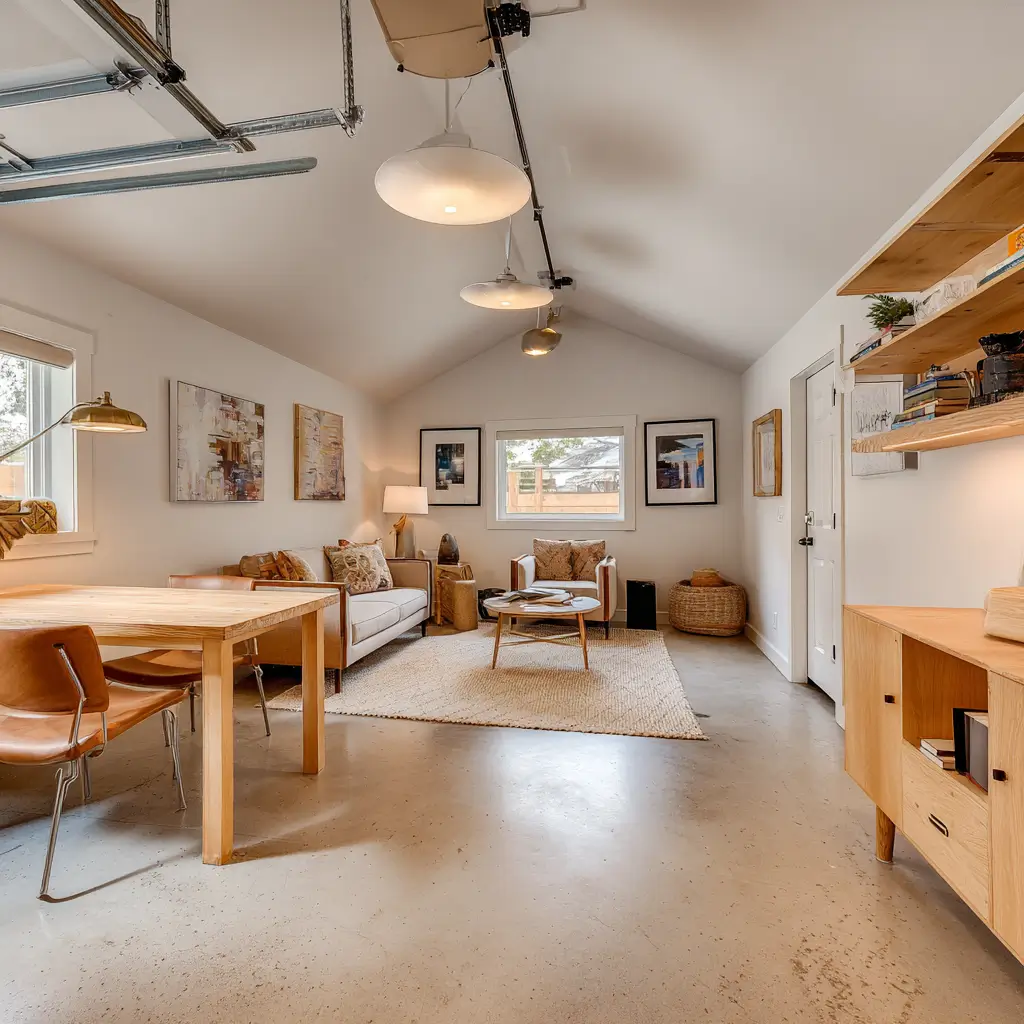
Garage Conversions: Office vs. “Flexible Space”
Converted garages often start with a clear intention—usually a home office. In practice, how the space is set up determines whether it stays focused or becomes diluted.
Dedicated office conversions tend to work best when the space is fully committed: proper insulation, sound control, good lighting, and minimal competing uses. These spaces get used daily and justify the investment quickly.
Problems arise when a garage is converted into a “flexible” room that still needs to store tools, bikes, or seasonal items. The space ends up doing multiple jobs poorly, and homeowners often drift back to working elsewhere in the house.
The most successful garage conversions are opinionated. They choose a primary function and design around it.
Basement Conversions: Family Space vs. Secondary Living
Basements are frequently converted into family rooms or media spaces, and these tend to perform well—especially in homes where the main level is already busy or open.
Basements succeed as everyday spaces when they feel connected to the rest of the house. Good lighting, comfortable ceiling height, and clear circulation matter more than high-end finishes.
Basements converted into guest suites or semi-independent living areas can work, but only when access and privacy are thoughtfully handled. If guests must pass through high-traffic areas or navigate awkward stairs, the space often gets used less than expected.
The basements homeowners love most feel intentional, not hidden.
Attic Conversions: Retreat Spaces That Stay Personal
Attic conversions tend to become quieter, more personal spaces. Offices, studios, and guest rooms work well because the separation feels intentional.
Attics struggle when they’re expected to function as high-traffic areas. Steep stairs or limited headroom discourage frequent use, especially for families with young children or older occupants.
Where attic conversions shine is in focused use: a workspace, a creative room, or a calm retreat that doesn’t need constant back-and-forth with the rest of the home.
Bonus Rooms and Over-Garage Spaces: The Forgotten Middle Ground
Bonus rooms are often converted last, even though they’re well-positioned for everyday use.
These spaces work best when they’re clearly defined. Offices, guest rooms, or hobby spaces perform well. Vague “extra rooms” tend to collect furniture without purpose.
Insulation and sound control are the most common oversights here. When those are handled properly, bonus rooms often become some of the most versatile spaces in the home.
Partial Conversions That Outperform Full Ones
Not every successful conversion involves taking over an entire space.
Partial basement conversions—where one section becomes a media room or office while the rest remains storage—often perform better than full builds. Homeowners keep flexibility without overcommitting.
Half-garage conversions can also work when storage needs are real and ongoing. The key is clear separation and honest expectations.
Sometimes restraint creates better outcomes than maximum square footage.
Converted Spaces That Often Underperform
Some conversions look good on paper but struggle in real life.
Highly specialized rooms—like niche gyms or single-purpose hobby spaces—often see heavy use early and minimal use later. Without adaptability, these rooms can feel outdated quickly. We're not saying you shouldn't build one, we're just saying don't do it on a whim! This is just stuff we've heard around the industry, and from clients we've helped.
Spaces that require frequent setup or teardown also lose momentum. If furniture has to move or equipment must be stored after every use, the space stops feeling convenient.
The common thread isn’t poor construction—it’s a mismatch between design and daily behavior.
Noise, Privacy, and Access: The Invisible Factors
How sound travels and how people move through the house have a bigger impact on conversion success than most homeowners expect.
Office conversions fail when noise from the main house bleeds in. Guest spaces feel awkward when privacy is incomplete. Basement family rooms thrive when they absorb sound rather than amplify it.
Access matters too. If a converted space feels like a detour instead of a destination, usage drops.
How Long-Term Use Changes Priorities
One of the most interesting patterns in conversion projects is how priorities shift over time.
Early on, homeowners care about finishes and layout. A year later, they care about comfort, acoustics, storage, and ease of use. The conversions that age well are the ones designed around daily friction points, not just first impressions.
Why Real-World Use Matters in Planning
Understanding how converted spaces are actually used helps homeowners make better decisions before committing to a plan.
This is where experienced general contractors add the most value—by sharing what they’ve seen work and what tends to disappoint over time.
Teams like Denver Dream Builders approach conversions with long-term use in mind, helping homeowners align design decisions with real behavior instead of idealized scenarios.
Final Thoughts
Successful conversions aren’t defined by square footage. They’re defined by usefulness.
The spaces homeowners love most are the ones that fit seamlessly into how they already live. The ones they regret are usually the ones that required them to change habits to justify the space.
When planning a conversion, the most important question isn’t what the room will be—it’s how it will be used, day after day.