
How DDB Manages Residential Elevator Projects for Stiltz in CO
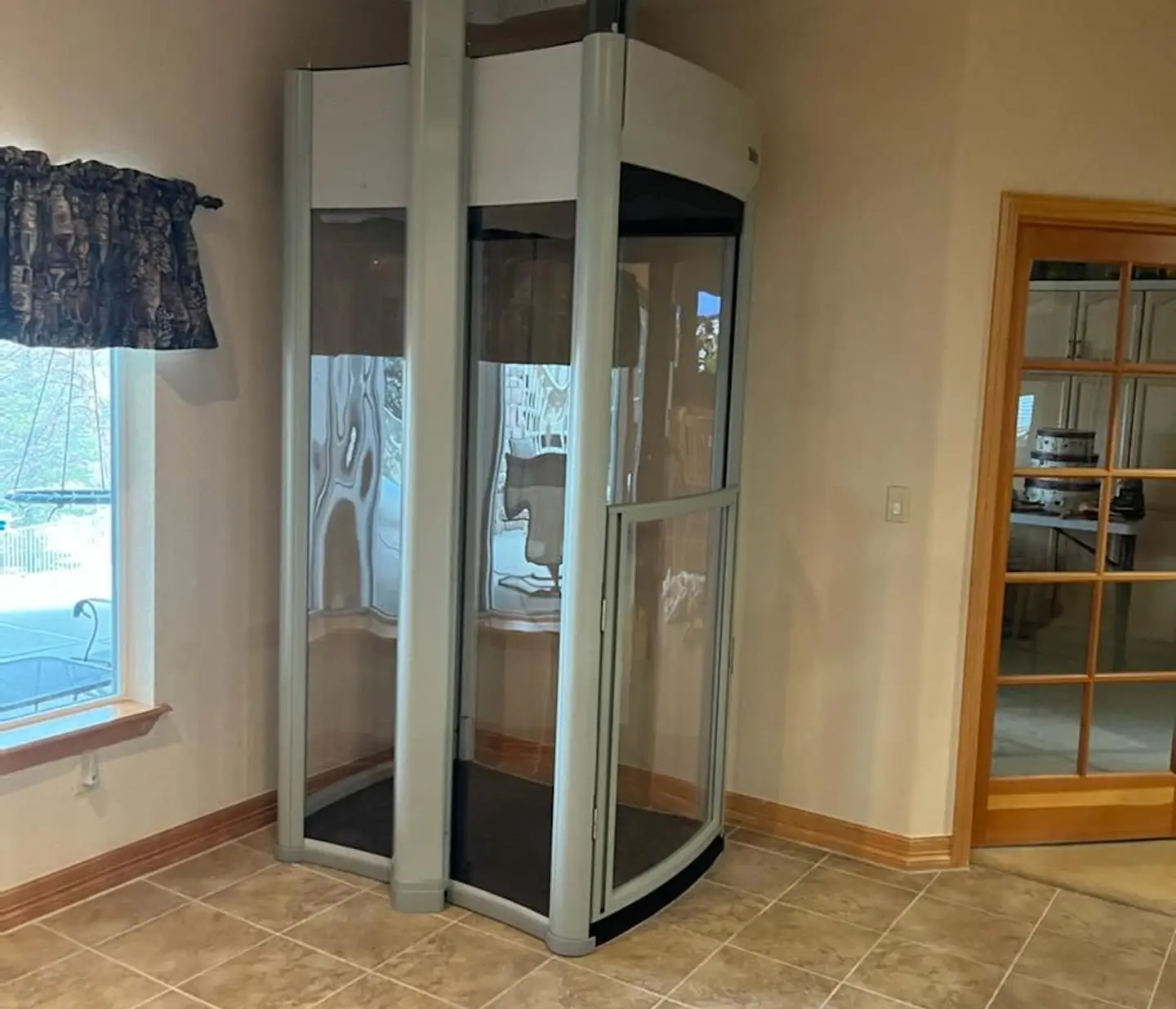
Installing a residential elevator is not a single trade task. It’s a coordinated construction effort that touches structural engineering, electrical planning, permitting, inspections, and finish work — all within an occupied home that still needs to function during construction.
For Stiltz residential elevator projects across Colorado, Denver Dream Builders acts as the general contractor responsible for managing that entire process. From early feasibility and paperwork through final installation and finish integration, DDB provides the oversight required to ensure each project is safe, compliant, and executed cleanly.
This article explains what that role actually involves — and why it matters.
Acting as the General Contractor, Not Just an Installer
Residential elevators require more than product installation. They require a licensed general contractor who can coordinate multiple scopes of work and take responsibility for the project as a whole.
Denver Dream Builders serves as the contractor of record for Stiltz elevator installations in Colorado. That means DDB is responsible for evaluating site conditions, managing permitting, coordinating trades, overseeing inspections, and ensuring the elevator is properly integrated into the home.
Instead of homeowners having to coordinate between manufacturers, installers, electricians, and inspectors, the project runs through one accountable team. This reduces miscommunication, prevents sequencing issues, and keeps the project moving forward without unnecessary delays.
Pre-Construction Planning and Feasibility
Every residential elevator project starts with understanding whether the home can properly support the installation.
Denver Dream Builders works with Stiltz early in the process to review the home’s layout, structure, and access points. This includes assessing floor framing, identifying suitable elevator locations, confirming required clearances, and understanding how the elevator will interact with existing rooms and circulation paths.
Many homes require modest but important modifications to accommodate an elevator. Identifying those needs early allows the project to be planned correctly, rather than discovering issues after work has already started.
Permitting, Paperwork, and Local Code Requirements
Permitting is one of the most overlooked parts of residential elevator projects — and one of the most critical.
Denver Dream Builders manages the permitting process with local building departments across Colorado, including submitting documentation, responding to plan review comments, and scheduling required inspections. Because elevator requirements can vary by municipality, this local experience helps avoid delays or failed inspections.
By handling paperwork and compliance directly, DDB ensures the project meets Colorado building codes and is approved properly at each stage.
Structural and Electrical Coordination
Even compact residential elevators require careful coordination between trades.
Before installation, Denver Dream Builders oversees any required structural modifications, such as framing adjustments or floor penetrations. Electrical preparation is also coordinated to ensure proper power routing, safety clearances, and code compliance.
Sequencing matters here. Structural work must be completed before electrical preparation, and both must be finalized before the elevator installation begins. Managing this sequence correctly prevents rework and keeps the installation on schedule.
Coordinating Elevator Installation
Once the site is prepared, Denver Dream Builders coordinates directly with Stiltz during the installation phase.
DDB provides on-site oversight to ensure the space is ready, addresses any field adjustments that arise, and maintains communication between trades and installers. Because DDB has been involved from the start, potential issues are typically anticipated rather than discovered at the last minute.
This coordination helps installations proceed efficiently and reduces disruption for homeowners.
Finish Work and Home Integration
After the elevator is installed, the project isn’t finished yet.
Denver Dream Builders completes the finish work needed to integrate the elevator cleanly into the home. This often includes drywall repair, trim work, flooring transitions, and surface touch-ups around the elevator opening.
The goal is not just functionality, but cohesion. When done correctly, the elevator feels like a planned part of the home rather than a retrofit.
Why This Matters for Homeowners
Residential elevators are often installed to support aging in place, improve accessibility, or plan for long-term mobility. These projects require a higher level of coordination and care than many homeowners expect.
By acting as the general contractor for Stiltz elevator projects in Colorado, Denver Dream Builders provides a single point of responsibility from start to finish. This approach reduces homeowner stress, ensures code compliance, and results in a smoother overall experience.
The value isn’t just in installing the elevator — it’s in managing the entire process properly.