
Home Conversion Costs, Timelines, and Tradeoffs
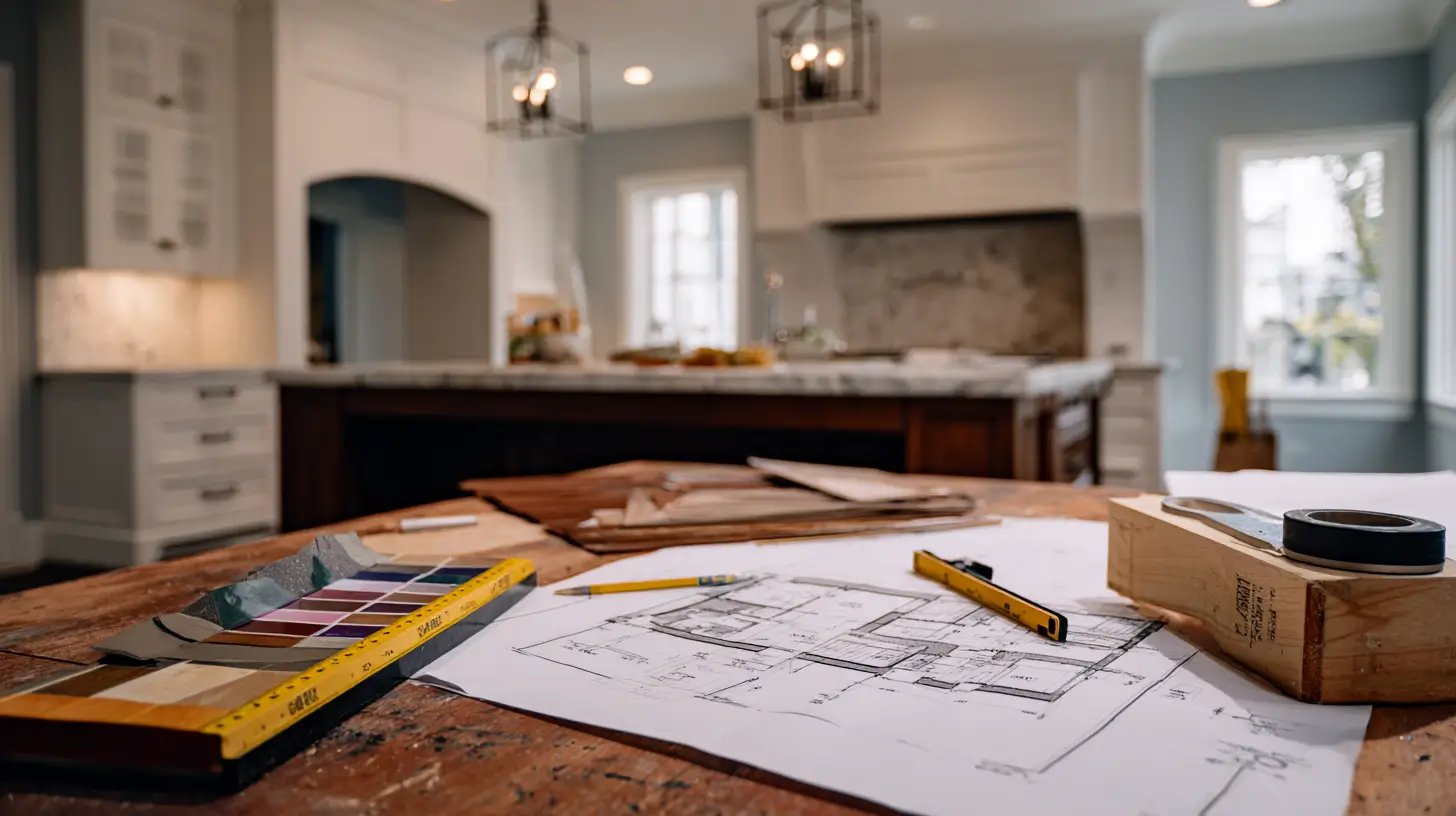
Home conversions sound straightforward on the surface. Take space you already have, improve it, and gain a more functional home without moving or building an addition.
In practice, conversions are some of the most variable—and misunderstood—projects a homeowner can take on.
Costs can swing dramatically. Timelines are rarely predictable without upfront investigation. And the tradeoffs aren’t always obvious until you’re already committed.
This guide walks through what actually drives conversion costs, how long different types of conversions tend to take, and the real-world considerations Denver homeowners should weigh before moving forward.
Why Home Conversion Costs Vary So Much
There’s no such thing as a “standard” conversion price.
Two homes on the same street can see wildly different outcomes for the same type of project because conversions depend less on finishes and more on starting conditions.
The biggest cost drivers almost always include:
- Structural requirements
- Ceiling height and access
- Code compliance and egress
- Electrical and mechanical upgrades
- Moisture mitigation and insulation
If a space wasn’t originally built for living, bringing it up to that standard is where cost accumulates.
Garage Conversion Costs: What Drives the Price
Garage conversions often look affordable until the details are examined.
Most garages were built as utility space. That means minimal insulation, exposed concrete slabs, limited electrical capacity, and strict fire-separation rules where the garage connects to the house.
Costs rise when:
- Slabs need insulation or moisture barriers
- Ceiling height requires reframing
- Electrical panels need upgrades
- Windows or exterior doors are added
- Storage needs to be preserved elsewhere
A basic conversion focused on a single use (like an office) may remain relatively contained. Once plumbing, bathrooms, or multi-use layouts are introduced, scope and cost increase quickly.
Basement Conversion Costs: Why “Finished” Rarely Means Finished
Basements are deceptive. Many homeowners assume that because a basement is already enclosed, it’s close to being livable.
In reality, basements tend to be the most code-sensitive conversions.
Costs are often driven by:
- Egress window requirements
- Ceiling height adjustments
- Moisture control and drainage
- Soundproofing between floors
- Heating and ventilation upgrades
Bedrooms and rental-style spaces add complexity. Media rooms or family rooms are often simpler but still require thoughtful planning to avoid cold, echo-prone spaces.
Attic and Loft Conversion Costs: Access Is Everything
Attic conversions can be extremely rewarding—but only when access and structure allow them.
The single biggest cost driver is stairs. If a compliant staircase can’t be installed without major reconfiguration, feasibility drops quickly.
Additional cost factors include:
- Roof framing reinforcement
- Insulation and ventilation upgrades
- Fire separation
- Electrical and lighting access
Attics with good headroom and clean framing convert efficiently. Tight or irregular attics can require more structural work than homeowners expect.
Less Obvious Conversions and Why They Surprise People
Sunrooms, enclosed porches, bonus rooms, and over-garage spaces often fall into a gray area.
They look finished, but they weren’t built for year-round use.
Costs rise when:
- Windows must be replaced for insulation
- HVAC systems need expansion
- Floors require reinforcement
- Exterior walls lack proper thermal breaks
These conversions can be highly effective, but only when evaluated honestly upfront.
Timelines: What Actually Slows Conversion Projects Down
Homeowners often expect conversions to move quickly because no exterior footprint is changing. In reality, timelines are influenced by factors outside construction itself.
Common time drivers include:
- Permitting and plan review
- Structural inspections
- Utility coordination
- Inspection scheduling
- Material lead times
A conversion that looks simple on day one can slow significantly once code compliance and inspections enter the picture.
Planning early—and realistically—prevents frustration later.
Tradeoffs Every Homeowner Should Consider
Conversions always involve compromise. The question isn’t whether tradeoffs exist—it’s whether they’re acceptable for how you live.
Some of the most common tradeoffs include:
- Losing garage storage for livable space
- Reduced ceiling height in basements
- Limited resale appeal for highly specialized rooms
- Noise transfer between floors
- Lower flexibility if the space is overbuilt
Conversions work best when they solve a clear problem, not when they chase resale value alone.
Cost vs. Value: When Conversions Make Sense
Conversions often make sense when:
- Additions aren’t feasible due to zoning or lot size
- The homeowner plans to stay long-term
- Functional needs outweigh resale optimization
- The existing structure supports the change
They’re less effective when:
- Structural limitations dominate the budget
- The space will be rarely used
- The conversion forces awkward layouts elsewhere
Understanding this early helps homeowners avoid investing heavily in space they won’t actually enjoy.
Why Conversion Experience Matters
Conversions sit at the intersection of design, structure, and code. They reward teams who think through problems before opening walls.
That’s why experienced general contractors approach conversions differently—starting with feasibility, not finishes.
Teams like Denver Dream Builders focus on evaluating whether a conversion makes sense before committing homeowners to plans that don’t align with the home’s realities.
That approach saves time, money, and frustration.
Final Thoughts
Home conversions can dramatically improve how a home functions—but only when expectations are grounded in reality.
Costs vary because houses vary. Timelines stretch because compliance matters. And the best conversions aren’t the most ambitious ones—they’re the ones that fit the home and the people living in it.
If you’re considering a conversion, the smartest first step isn’t design inspiration. It’s understanding what your space can reasonably become—and whether it’s worth doing at all.