
Hail Damage Roof Repair in Denver: What Homeowners Need to Know
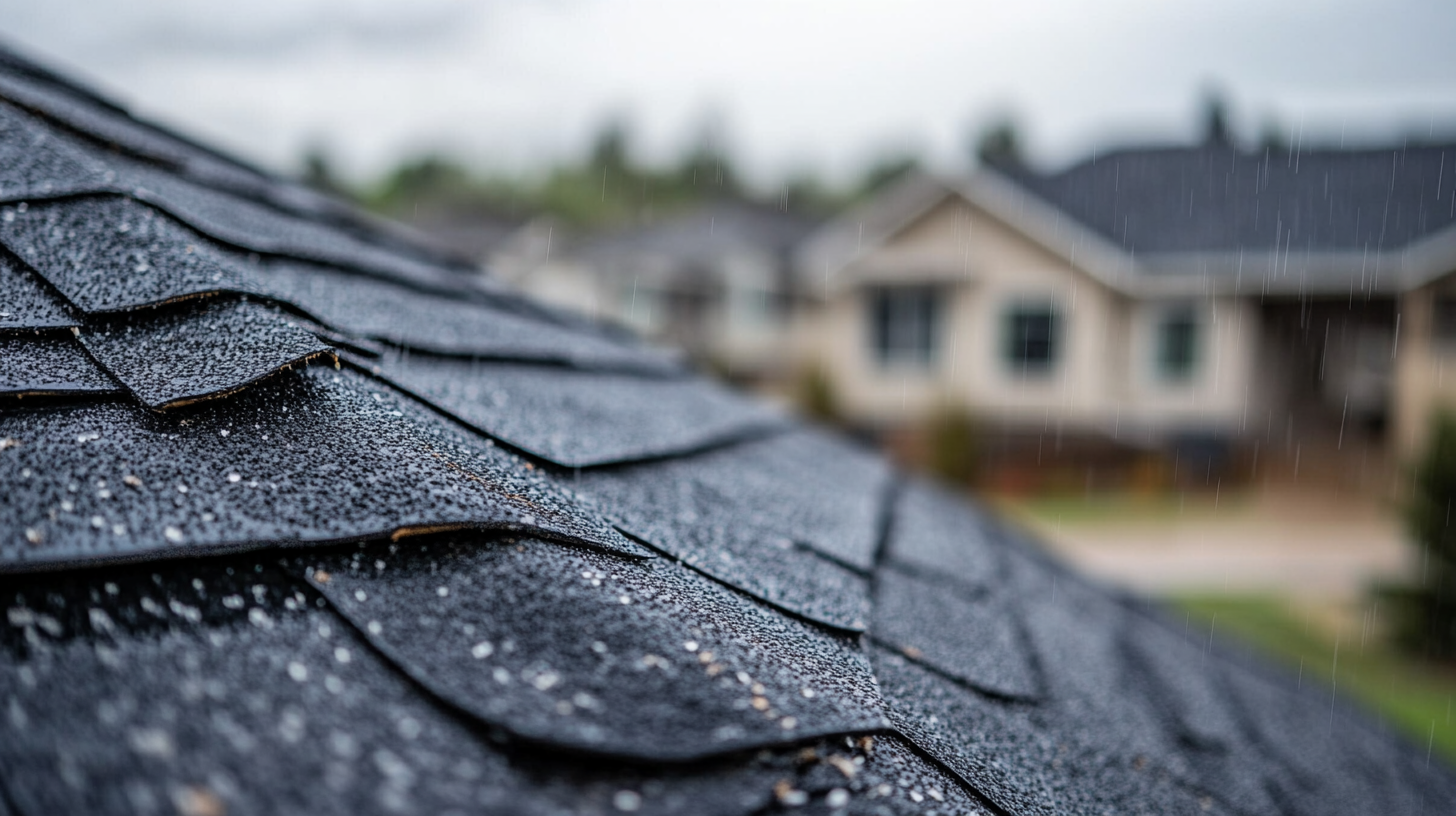
Denver sits in one of the most hail-active corridors in the country. The stretch from Fort Collins to Pueblo along the Front Range logs more hail events per year than almost anywhere in the United States, and the Denver metro gets hit hard several times a season. If you've just come through a hailstorm and you're not sure whether your roof took damage, this guide walks you through what to do, how to assess the damage, how the insurance process works, and how to find a legitimate hail damage roofer -- not the out-of-state storm chasers who follow the hail maps.
What Happens to Roofs in a Denver Hailstorm
Not every hailstorm damages roofs equally. Hail under about 1 inch in diameter typically doesn't cause functional damage to asphalt shingles in good condition, though it can dent metal flashing, gutters, and AC units. Hail at 1.5 inches and above starts causing structural damage to asphalt shingles -- bruising the mat underneath the granules, cracking older shingles, and denting soft metals visibly.
Types of hail damage to know
Functional damage is what matters for insurance claims and roof longevity: compromised granule coverage, cracked or split shingles, dented metal flashings and vents, and damage to the roof deck itself in severe storms. Cosmetic damage -- minor denting to gutters, siding, or AC fins -- may or may not be covered depending on your policy and when the policy was written. Colorado law provides some consumer protections around cosmetic damage exclusions, but the specifics vary by carrier and policy year.
What you can see from the ground vs. what requires a roof inspection
From ground level you can often spot missing granules (dark patches on shingles), cracked shingles at the ridges, damaged gutters and downspouts, and dented AC units or satellite dishes. What you can't assess from the ground is the condition of the mat underneath shingles, the state of pipe boots and vents, flashing integrity, or whether damage is uniform across the entire field of the roof. A proper assessment requires getting up there -- or having someone qualified do it for you.
What to Do Immediately After a Hailstorm
Document first, wait on contractors
Before anyone touches your roof, document the damage storm. Note the date and time, photograph any visible exterior damage from the ground, and check weather records to confirm hail size and duration at your address. This documentation matters for your insurance claim and protects you if a contractor tries to claim damage that predated the storm.
Contact your insurance company
Call your insurance company to report a potential claim as soon as you've done basic documentation. Most policies require you to report damage within a reasonable timeframe -- delaying can give carriers grounds to dispute coverage. Your adjuster will be assigned and contact you to schedule an inspection; this typically takes one to three weeks after an active hail event.
Do not sign anything with a contractor before your adjuster visits
This is the most important rule, and the one most homeowners violate. After major storms, Denver gets flooded with out-of-state storm chasers who go door to door offering free inspections and asking for signatures on Assignment of Benefits or contingency agreements. Once you sign, you may have limited control over the claim, the contractor choice, and the quality of work. Wait for your adjuster's visit before committing to any contractor.
How the Hail Damage Insurance Claim Process Works in Colorado
The adjuster's inspection
Your insurance adjuster will inspect your roof and produce a scope of loss -- a document itemizing the damage they found and what they'll pay to repair or replace it. The scope of loss is a starting point for negotiation, not a final answer. Adjusters often miss damage or underscope jobs, particularly on complex roofs or when they're processing claims at high volume after a large storm event.
Getting a contractor's independent estimate
Get your own roofing contractor's assessment before or concurrent with the adjuster's visit. A good roofing contractor will document damage in detail -- photographs, measurements, material specifications -- that you can use to support a supplement if the adjuster's scope is insufficient. Colorado has specific insurance laws that protect homeowners' rights in this process, including requirements around contractor estimates.
Supplements
If your adjuster's scope doesn't cover all legitimate damage, your contractor can submit a supplement -- a request for additional coverage backed by documentation. Legitimate supplements are common and usually handled without conflict. Be cautious of contractors who tell you they'll "take care of everything" with your insurer without explaining the process -- this language can be a signal of inflated billing practices that could constitute insurance fraud.
Your deductible
Colorado law prohibits contractors from waiving or absorbing your deductible. If a contractor offers to "work with your deductible" or implies it won't apply, that's a red flag -- and it can jeopardize your coverage. You are responsible for your deductible; it comes off the top of the insurance payout.
How to Find a Legitimate Hail Damage Roofer in Denver
Start with local, established contractors
Storm chasers follow hail events and leave town once work dries up. Local roofing contractors are here permanently -- they have reputations to protect, established supplier relationships, and knowledge of Denver's permit requirements. Look for contractors with verifiable Colorado business histories (at least three to five years), a physical Denver-area address, and reviews that predate the most recent storm season. The Colorado Department of Regulatory Agencies (DORA) licenses roofing contractors; you can verify a contractor's license status on their website.
Questions to ask before hiring
Ask for proof of general liability insurance (minimum $1 million per occurrence) and workers' compensation coverage. Ask specifically how many hail damage projects they've completed in Denver and whether they carry Xactimate software proficiency for insurance work -- this is the industry-standard estimating platform and a contractor who doesn't use it may have trouble communicating with your insurer's adjuster. Ask for references from recent hail claims, not just general roofing projects.
What a good hail damage contract covers
A legitimate hail damage roofing contract should specify the materials to be installed (manufacturer, product line, and warranty class), address the insurance scope of loss by line item, include a payment schedule tied to the insurance payout, and define what happens if supplements are approved after the contract is signed. Avoid vague contracts that reference "insurance-approved work" without specifying exactly what that means.
Impact-resistant roofing materials
Colorado's hail frequency has made impact-resistant roofing materials -- Class 3 and Class 4 asphalt shingles -- increasingly standard in the Denver market. Some insurance carriers offer premium discounts for impact-resistant installations, and several municipalities in the metro area have adopted or are considering ordinances requiring impact-resistant materials on re-roofs. Ask your contractor about impact-resistant options and whether your carrier offers any discount.
Timeline: How Long Does Hail Damage Roof Replacement Take?
From storm event to completed roof replacement, the full process typically runs 6 to 12 weeks: one to three weeks waiting for an adjuster, one to two weeks for contractor selection and scope agreement, one to three weeks for material ordering and permit processing, and one to three days for the actual installation depending on roof size and complexity. Post-storm demand can push all of these timelines out significantly -- after major hail events in the Denver metro, quality contractors get booked out two to three months. Starting the process early matters.
Denver Dream Builders and Roofing
Denver Dream Builders handles storm damage roofing replacements across the Denver metro area. We're a Colorado-based contractor with a track record in insurance work -- we know the Xactimate process, we don't inflate claims, and we install quality materials with warranties that hold up in Colorado conditions.
If you've had a recent hailstorm and you're not sure whether your roof took damage, contact us for a free inspection. We'll give you a straight assessment of what we see and help you navigate the insurance process if there's legitimate damage to claim.