
How to Choose a Flooring Contractor in Denver: What to Ask Before You Hire
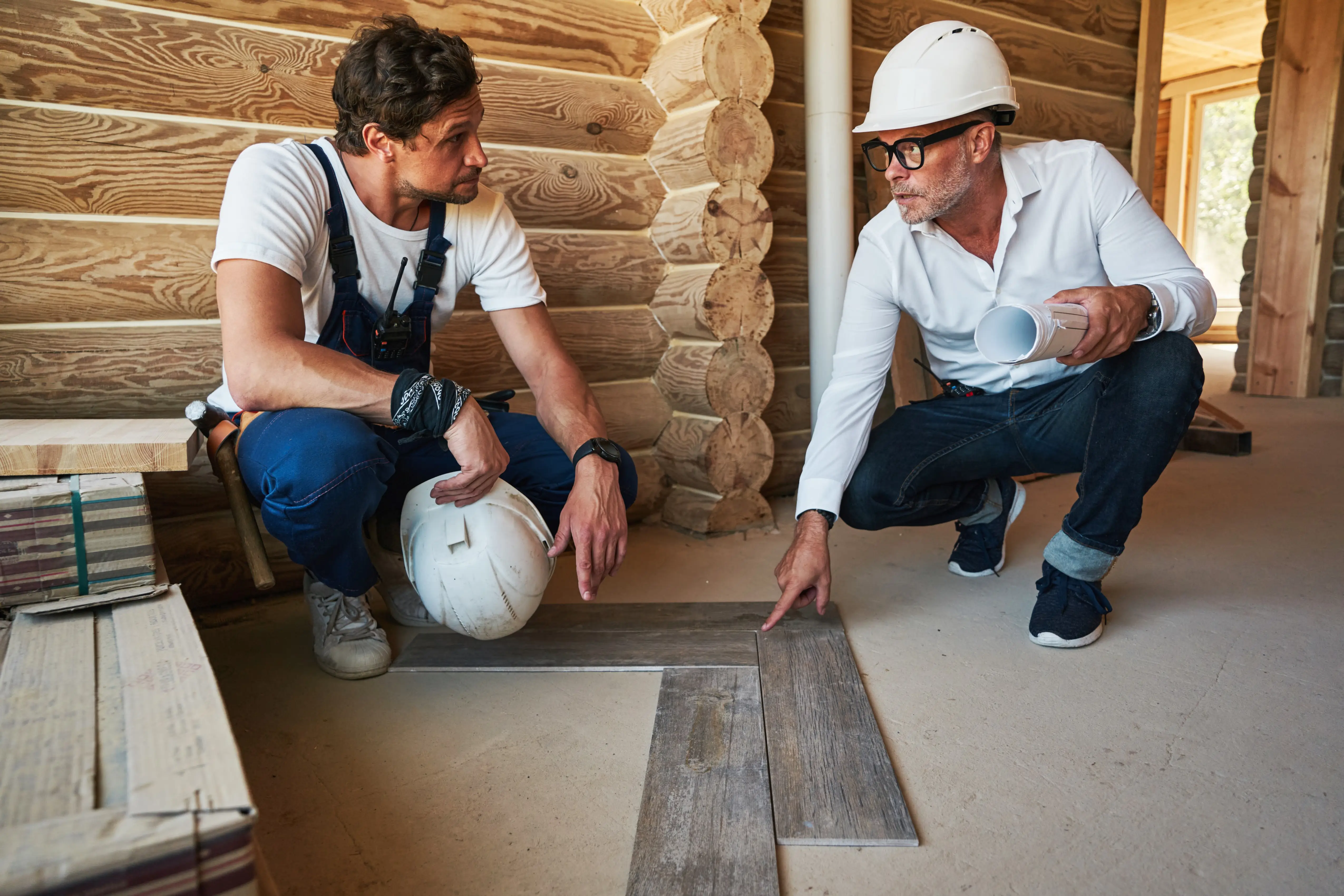
Finding a good flooring contractor in Denver isn't difficult. Finding one who will give you a fair price, show up on schedule, install your floor correctly the first time, and stand behind their work -- that takes a little more effort. The flooring industry has a lower barrier to entry than most trades, which means the range of quality is enormous. This guide gives you the specific questions to ask, the red flags to watch for, and the process to follow before you sign any contract.
Start With What You Actually Want
Before calling a single contractor, you need a clear scope. "I want new floors" is not a scope. A useful scope document covers the rooms and square footage to be floored, the material you're considering (or your top two options if you're undecided), your expected timeline, your budget range, and any constraints -- pets, allergies, limited disruption windows, existing furniture you need moved.
Contractors who can't give you an accurate quote without this information are not the problem -- you are. The contractors who give you fast quotes without asking these questions are the problem, because fast quotes on unclear scopes become expensive change orders later.
Questions to Ask Every Flooring Contractor
Are you licensed and insured in Colorado?
Colorado does not require a general contractor license for flooring work, but reputable flooring companies carry general liability insurance (minimum $1 million per occurrence) and workers' compensation coverage for their crew. Ask for a certificate of insurance naming you as the additional insured, and verify it's current. If a contractor resists providing proof of insurance, that tells you something important.
Who actually does the installation?
This is the most important question most homeowners never think to ask. Many flooring retailers and contractors are primarily sales operations -- they sell you the floor and then subcontract the installation to whoever's available. This isn't inherently bad, but it means the person you vetted is not the person installing your floor. Ask specifically whether installation is done by W-2 employees or 1099 subcontractors, and whether those installers work with the company regularly or are brought in for overflow.
Can you share photos or references from recent Denver installations?
Ask for photos of recent completed projects, ideally with the same material you're considering. If they can't produce them, they either don't document their work (a quality control concern) or they haven't done many jobs like yours. Ask for two or three references you can actually call -- not just names, but phone numbers of past clients who will pick up and tell you about their experience.
What's included in your quote, line by line?
Insist on an itemized quote. A good flooring quote should separately list materials (including the specific product, brand, and grade), underlayment, adhesives or fasteners, removal and disposal of old flooring, transition strips, any subfloor repairs, furniture moving, and labor. A quote that gives you a single installed price per square foot without itemization is one that will surprise you with add-ons.
How do you handle subfloor issues discovered during installation?
Subfloor problems -- soft spots, moisture damage, high spots that need grinding, squeaks -- are common in Denver's older housing stock and often aren't apparent until old flooring is removed. Ask how the contractor handles these when they're discovered: do they call you before proceeding, do they have a standard rate for repairs, or do they just add it to the final invoice? The answer tells you a lot about how they communicate and how they protect themselves at your expense.
What does your warranty cover, and for how long?
Most quality flooring contractors offer a workmanship warranty of one to two years on installation. This covers issues caused by improper installation -- gapping, lifting, cracking, poor transitions -- as distinct from manufacturer defects, which are covered by the product warranty. Ask specifically what the warranty covers, what voids it (improper care, pets, excessive moisture), and how warranty claims are handled.
What's your installation timeline and schedule commitment?
Ask when they can start, how long the project will take, and how many other projects they'll be running simultaneously. A crew running four projects in parallel may not give yours the attention it needs. Get the start date, estimated completion date, and key milestones in writing in the contract. Contractors who resist committing to timelines in writing often have a reason for that flexibility that doesn't serve you.
Red Flags to Watch For in Denver
Cash-only pricing with a significant discount
Cash-only contractors avoiding paper trails are avoiding taxes and insurance obligations. If something goes wrong with your installation, you have no recourse -- no paper contract, no verifiable business entity, no insurance to make a claim against. The "discount" rarely covers the risk.
A quote that's dramatically lower than others
In a competitive market like Denver, legitimate flooring contractors are working on tight margins. A quote that's 30 to 40 percent below others isn't a deal -- it's a signal that something is missing from the scope, the materials are lower grade than specified, or the labor will be rushed or subpar. Get itemized quotes so you can identify exactly what's different.
Pressure to sign before you've seen competing quotes
Legitimate contractors know you're getting multiple quotes. High-pressure tactics -- "this price is only good today," "I have another client who wants this slot," "material prices go up next week" -- are designed to prevent comparison shopping. Take the time you need.
No physical business address
A contractor who operates only through a mobile phone and a Google Business listing is harder to hold accountable if problems arise. Look for contractors with verifiable business histories, a physical address, and reviews that span at least two to three years.
Vague or verbal-only agreements
Everything that matters should be in writing: the scope of work, the materials specified by product name and grade, the price, the payment schedule, the timeline, and the warranty terms. A contractor who resists putting things in writing is a contractor who wants flexibility you'll pay for later.
Denver-Specific Considerations When Hiring
Climate experience matters
Denver's low humidity -- particularly in winter -- affects installation requirements for hardwood and engineered hardwood. Wood needs to acclimate to your home's humidity levels before installation (typically 72 hours to two weeks depending on the species and current humidity). Contractors without Denver experience sometimes skip this step or underestimate it, leading to gapping or buckling after installation. Ask specifically about their acclimation process for wood products.
radon considerations in basement installations
If you're installing flooring in a basement, verify that any concrete grinding or sanding is done with proper dust containment and that the contractor understands Colorado's radon situation. Disturbing basement concrete without appropriate precautions can increase radon exposure temporarily. A good contractor should seal any cracks in concrete before laying flooring over it.
Subfloor assessment before committing
Denver's older bungalows and ranches -- particularly in neighborhoods like Sunnyside, Berkeley, Whittier, and Barnum -- often have original subfloors that need attention before new flooring goes down. Ask your contractor to do a visual subfloor assessment before finalizing their quote. The best ones will flag potential issues before you sign, not after old flooring is already ripped up.
The Bidding Process: How to Run It Right
Get at minimum three itemized quotes for any significant flooring project. Schedule all walkthroughs within the same week so you're looking at the same conditions and the same scope when comparing. When you receive quotes, don't just compare the bottom line -- compare the scope itemization to make sure you're comparing equivalent work.
After you've received quotes, it's entirely appropriate to go back to your preferred contractor with competing pricing and ask if they can sharpen their pencil on labor or materials. Most won't dramatically change their price, but some will -- and the conversation gives you useful information about how they operate.
Select based on the combination of price, documented quality, responsiveness, and your instinct from the walkthrough conversation. The contractor who asked the most questions about your project and your goals is usually the one who understands what they're actually signing up to deliver.
Ready to Talk Flooring?
Denver Dream Builders handles flooring installation as part of full renovation projects throughout the Denver metro. We install LVP, engineered hardwood, tile, and carpet with experienced crews who work under our supervision -- not subcontracted out to whoever's available this week.
If you're in the process of evaluating contractors for a flooring project, contact us for a quote. We'll walk your space, assess your subfloor, and give you an itemized proposal with a timeline you can count on.