
Designing Indoor–Outdoor Living Spaces That Actually Work in Colorado
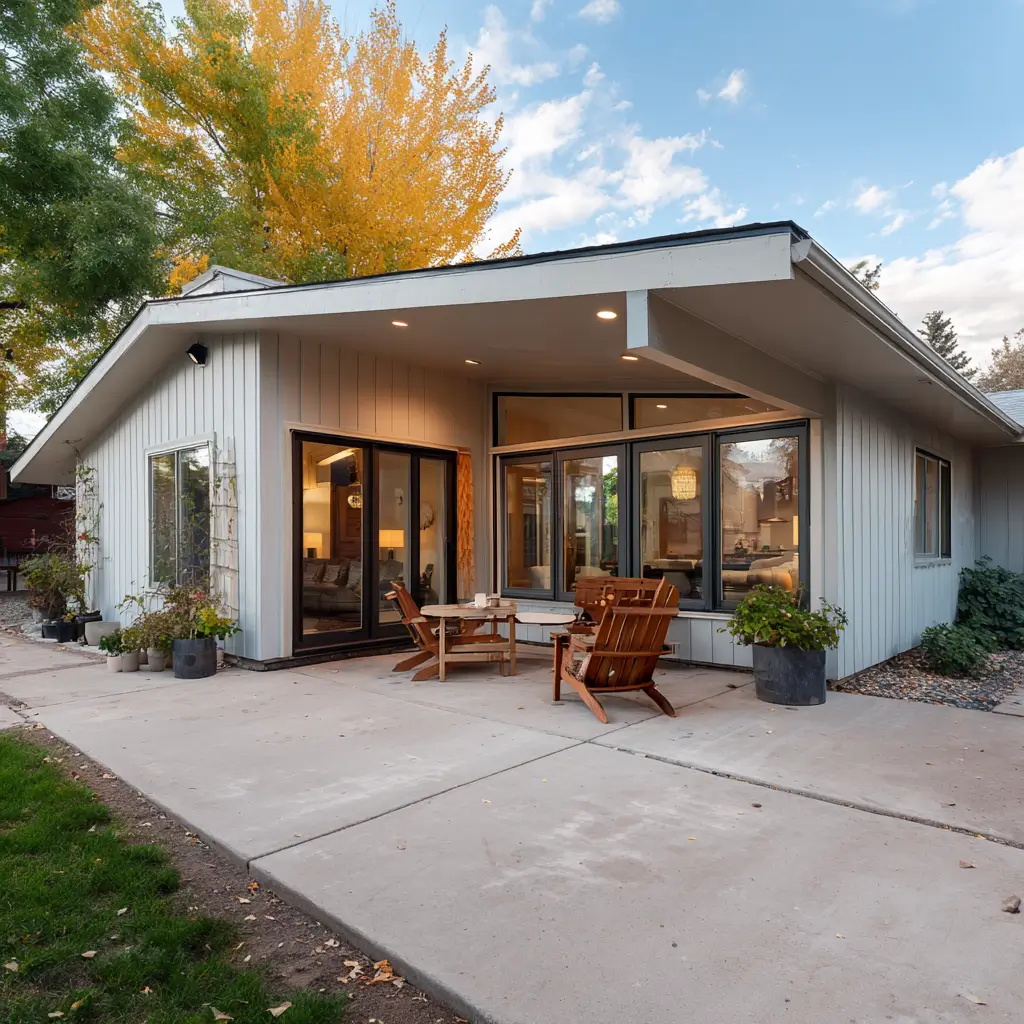
Indoor–outdoor living has become a common goal for Colorado homeowners. Large sliding doors, covered patios, and seamless floor transitions are often presented as simple upgrades that instantly elevate a home.
But in Colorado, climate matters.
Sun exposure, freeze–thaw cycles, elevation changes, wind patterns, and snow loads all influence whether an indoor–outdoor design feels natural year-round or only functions well for a few months.
Creating a successful indoor–outdoor space isn’t about installing the biggest glass system available. It’s about designing a transition that works in Colorado’s environment, not against it.
Start With Climate, Not Aesthetics
Colorado’s climate is dynamic. Bright sun, heavy snow, temperature swings, and strong afternoon winds can all impact how an outdoor space performs.
South- and west-facing exposures receive intense sunlight for much of the year. Without proper overhangs or shading strategies, interior spaces can overheat in summer while still experiencing glare in winter.
Snow accumulation and drifting also affect how outdoor areas are accessed and maintained. A flush transition that looks clean in renderings may create drainage or ice management issues if not carefully detailed.
Successful indoor–outdoor design begins with understanding:
- Orientation to the sun
- Prevailing wind direction
- Snow load and roof runoff
- Natural grade and drainage patterns
When those factors guide decisions early, the finished space feels intentional rather than reactive.
The Transition Is More Important Than the Patio
Most homeowners focus on the outdoor area itself. In practice, the transition between inside and outside is what determines whether the space feels seamless.
Door selection is one of the biggest factors. Large multi-panel sliders, lift-and-slide systems, or bi-fold doors each come with different structural, thermal, and cost implications. Wider openings require structural support above, and in many cases, additional engineering.
Threshold detailing also matters. Completely flush transitions look appealing but require careful waterproofing and drainage planning — especially in snow-prone areas. A poorly detailed threshold can allow water intrusion during storms or snowmelt.
The best transitions balance visual continuity with long-term durability.
Covered vs. Open Outdoor Space
In Colorado, covered outdoor areas often provide more usable square footage than fully open patios.
A properly designed covered patio or deck:
- Protects from intense midday sun
- Shields seating areas from light snow
- Extends seasonal use into spring and fall
- Reduces wear on exterior finishes
Roof design becomes part of the indoor–outdoor conversation. Overhang depth, ceiling height, and material selection influence how connected the space feels to the interior.
In many cases, homeowners get more year-round value from a thoughtfully covered outdoor area than from a larger open patio.
Material Selection and Freeze–Thaw Durability
Colorado’s freeze–thaw cycles are hard on exterior materials.
Concrete, tile, stone, and decking materials must be selected with durability in mind. Materials that perform well in warmer climates may crack, delaminate, or shift under repeated expansion and contraction.
Consistency between interior and exterior finishes is often desirable, but it must be approached carefully. Not all interior materials can be extended outdoors without long-term performance concerns.
Selecting materials that can handle temperature variation while still aligning aesthetically with the interior design is critical to long-term success.
Mechanical and Comfort Considerations
Indoor–outdoor living isn’t just about opening doors — it’s about comfort.
Ceiling fans, outdoor heaters, and strategically placed lighting extend usability beyond peak summer months. Proper insulation and door performance prevent energy loss when large openings are incorporated into exterior walls.
In some projects, retractable screens or wind barriers become valuable additions, particularly in higher elevations or exposed neighborhoods.
Designing with comfort in mind makes the space usable rather than decorative.
Structural and Engineering Realities
Large openings in exterior walls require structural planning.
Removing wide sections of wall to accommodate expansive glass systems typically requires engineered beams or steel reinforcement. These structural elements affect both cost and timeline, especially if retrofitting an existing home.
Understanding these requirements early allows homeowners to weigh the visual impact of larger openings against budget and schedule considerations.
Indoor–outdoor design is rarely just a finish-level decision — it often starts at the framing stage.
When Simpler Is Better
Not every home requires a wall of glass to feel connected to the outdoors.
In many Colorado homes, well-placed standard sliders, consistent flooring transitions, and aligned sightlines accomplish the goal without major structural modifications.
Sometimes the most effective indoor–outdoor design comes from thoughtful layout decisions rather than dramatic openings.
Final Thoughts
Indoor–outdoor living in Colorado works best when it’s grounded in climate awareness, structural planning, and realistic expectations about year-round performance.
When designed intentionally, these spaces extend living areas naturally and increase daily enjoyment. When approached purely from an aesthetic standpoint, they can introduce maintenance, comfort, and durability challenges.
The goal isn’t to chase trends. It’s to create spaces that function well in Colorado’s environment — season after season. You can always adjust your interior aesthetic to whatever you fancy at the moment!