
ADU Contractors in Denver: What to Look for Before You Hire
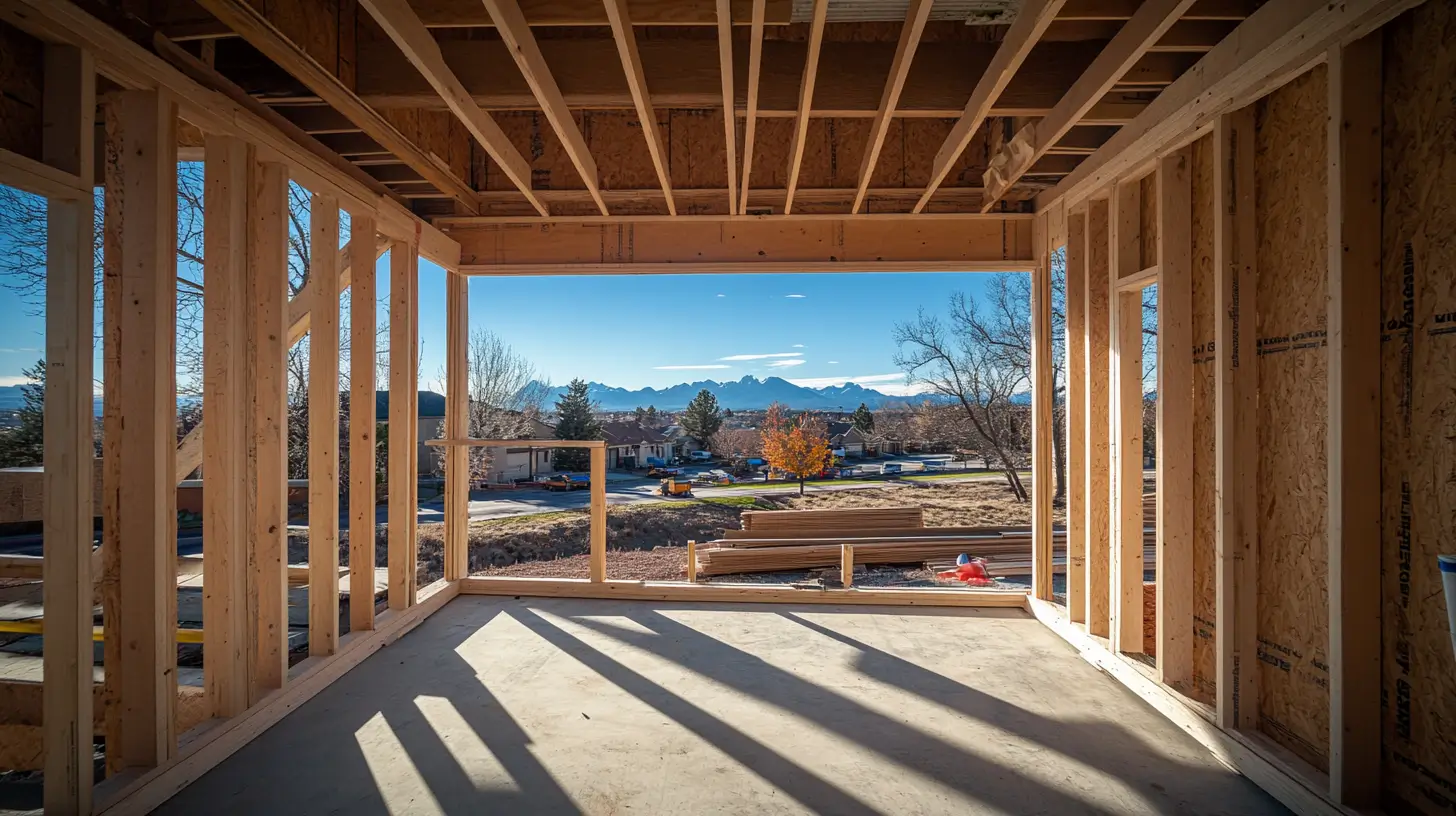
Building an accessory dwelling unit in Denver is one of the most significant investments a homeowner can make -- and choosing the right ADU contractor determines whether that investment pays off. The wrong hire means delays, cost overruns, code violations, and a structure that fails to appraise or rent well. The right hire means a permitted, well-built unit that generates income for decades.
This guide covers what separates experienced ADU contractors from general remodelers who dabble in the work, what questions you need answered before signing a contract, and how the permitting process in Denver shapes who you should hire.
Why ADU Contractor Experience Matters More Than Price
Many general contractors in Denver build kitchens, bathrooms, and additions -- but ADUs are a different animal are a different animal. A detached ADU or garage conversion requires its own utility connections, fire separation compliance, separate addressing, and navigating Denver's specific zoning rules. A contractor who has not done this before will learn on your project, and you will pay for that education in time and money.
ADU-experienced contractors already know Denver's requirements for setbacks, height limits, lot coverage maximums, and the city's utility tap fee process. They have existing relationships with the inspectors at Denver Community Planning and Development (CPD) and know how to write permit drawings that get approved without multiple revision cycles.
The difference in permitting timelines
Denver's ADU permitting process currently takes 4 to 6 months for most projects. Contractors who submit clean, complete drawings shorten that timeline. Contractors who submit drawings with missing details or code conflicts extend it -- sometimes by months. When you are paying holding costs or deferring rental income, that difference is significant.
Structural and utility complexity
Detached ADUs and garage conversions require separate electrical panels, independent plumbing stack connections, and -- depending on location -- potentially new gas service. Contractors who work in this space regularly have established relationships with licensed subcontractors who understand ADU-specific utility work. First-timers often underestimate these systems and under-price them in bids, only to hit the homeowner with change orders later.
Licensing and Insurance Requirements in Colorado
Colorado does not issue a single statewide general contractor license -- instead, licensing is handled at the city and county level. For work in Denver, your contractor must hold a Denver-issued contractor license and carry both general liability insurance and workers' compensation coverage.
Before signing anything, ask for their Denver contractor license number (verifiable at denver.gov), a certificate of insurance naming you as an additional insured, and proof of workers' compensation coverage (or a signed exemption if they have no employees). Any legitimate ADU contractor will provide these documents without hesitation. If a contractor is not properly licensed in Denver, they cannot legally pull permits -- which means you would be the permit holder, and you would bear liability if something goes wrong.
Subcontractor licensing
Electrical, plumbing, and HVAC work in Denver requires licensed tradespeople in each respective discipline. Ask your contractor to confirm that their subs are licensed and that all specialty trade work will be permitted and inspected. This is not optional -- it is required, and it protects you when you eventually sell or refinance.
What an ADU Contract Should Include
A well-written contract protects both parties and sets clear expectations before any work begins. Vague contracts are the single biggest source of disputes in ADU construction. Here is what your contract should specify:
Detailed scope of work
The contract should describe every major system and finish: foundation type, framing, roofing material and color, window specifications, exterior siding, insulation R-values, electrical panel size, plumbing fixture allowances, flooring, cabinetry, countertops, and appliances. If it is not in writing, it is subject to interpretation -- and that interpretation will cost you.
Payment schedule tied to milestones
A responsible payment schedule releases funds as verifiable work is completed, not on the calendar. Standard milestones for an ADU include: foundation complete and inspected, framing complete and inspected, rough mechanical complete and inspected, drywall complete, substantial completion, and final punch list. Avoid any contract that asks for more than 10 to 15 percent upfront or requests large payments before milestone inspections pass.
Change order procedures
Changes are normal in construction, but the process for approving them should be formalized. The contract should require written change orders signed by both parties before any out-of-scope work proceeds. Verbal change orders routinely lead to billing disputes. If a contractor says "we'll handle that change order later," that is a red flag.
Timeline and delay provisions
The contract should include a projected start date, projected completion date, and provisions for delays. Permitting delays caused by the city are generally excluded from contractor responsibility -- but delays caused by poor planning, slow material ordering, or labor scheduling issues should have some accountability mechanism.
Questions to Ask ADU Contractors Before You Hire
The interview process is where you separate experienced contractors from those who are figuring it out as they go. Ask every candidate these questions and compare how they answer:
How many ADUs have you completed in Denver in the last two years?
If the answer is fewer than three, they do not have enough recent ADU experience to navigate Denver's current permitting environment. Denver has updated its ADU ordinance twice since 2021, and contractors need current knowledge to advise you correctly.
Can you show me completed projects and connect me with past clients?
References from homeowners who went through the full project -- including permitting, construction, and final inspection -- tell you more than portfolio photos. Ask those references whether the project came in on budget, on time, and whether they would hire the contractor again.
Who pulls the permits and handles CPD communication?
Your contractor should pull all permits in their name. If they suggest you pull permits as the homeowner, that is a major red flag -- it typically means they are unlicensed or have an issue with their license. Permit pulling by the contractor creates accountability and ensures licensed professionals are responsible for code compliance.
How do you handle utility connections for detached units?
Utility taps in Denver go through Xcel Energy for gas and electric and Denver Water for water and sewer. Tap fees can run $15,000 to $40,000 depending on service size and distance. Experienced ADU contractors have navigated this process and can give you a realistic estimate. Vague or dismissive answers suggest limited experience.
What is your typical payment structure?
Listen for milestone-based payment schedules. Be wary of contractors who ask for 30 to 50 percent upfront or who cannot clearly explain what triggers each payment. Front-loaded payment structures put you at risk if the contractor runs into financial problems mid-project.
Red Flags That Should End the Conversation
Some contractor behaviors are warnings you should not ignore, regardless of how good the price looks:
Reluctance to pull permits
Unpermitted ADUs cannot be legally rented as dwelling units in Denver. They will flag during a home sale, complicate your financing options, and leave you liable for code violations. Any contractor who suggests you can save time or money by skipping permits is asking you to take on serious legal and financial risk.
Unusually low bids
Denver ADU construction currently runs $200 to $450 per square foot for detached units and $80,000 to $200,000 for garage conversions. Bids significantly below these ranges are usually missing something -- either scope items that will become change orders, lower-quality materials, unlicensed labor, or a contractor who has no idea what the project actually costs.
Pressure to sign quickly
Legitimate contractors have full schedules and do not need to pressure you into signing before you have done your due diligence. High-pressure tactics -- limited time offers, claiming the price goes up next week, pushing you to commit before you have seen references -- are signs of a contractor who does not win business on merit.
No physical address or business history
A legitimate contracting business has a verifiable address, an established online presence, and a business history you can research. Contractors who operate entirely by phone with no verifiable business presence are higher risk.
The Design-Build vs. General Contractor Approach
Some ADU contractors in Denver offer full design-build services -- meaning they handle architectural drawings, permitting, and construction under one contract. Others work as general contractors who require you to hire a separate architect first and then bid the construction separately.
Design-build tends to be faster and involves fewer coordination gaps between design and construction. The tradeoff is that you have less control over the design process and fewer competitive bids on construction. Traditional GC models give you more design input and allow competitive bidding, but require more owner involvement in coordinating the design and construction phases.
Neither approach is universally better -- it depends on how much time you have, how involved you want to be, and how clearly you can articulate what you want before construction begins.
Ready to Move Forward?
Choosing the right ADU contractor in Denver comes down to verified experience, proper licensing, a detailed contract, and references you actually call. The due diligence takes time -- but it is far less expensive than recovering from a bad hire.
Denver Dream Builders has completed ADU projects across Denver's Front Range neighborhoods, from detached backyard units to garage conversions and basement ADUs. Contact us to discuss your project and get a detailed estimate from a licensed, experienced ADU contractor.